



Author:
Dr. Betsy Mancera Martínez
Pediatrician Neonatologist

The birth of a baby is a moment full of joy, but it also represents a unique opportunity to take care of their health from day one.
“Authorizing and ensuring the performance of newborn screening is a decision that protects their well-being from the beginning of life.”
What is newborn screening?
There are diseases that are not visible at birth but can seriously affect a child's development if not detected early. Newborn screening is currently being implemented in many parts of the world, and in Colombia, starting in 2026, it will be mandatory for all healthcare providers.
It is a set of tests performed in the first few days of a baby's life to identify diseases that don't initially present symptoms. Early diagnosis allows for timely treatment, reducing complications and mortality in newborns. These tests are safe, quick, and can make a significant difference in a child's quality of life.
What are the tests for newborn screening?
Basic metabolic screening:
This test is performed by taking a blood sample through a heel prick from your baby between 24 and 72 hours after birth. The sample is placed on filter paper and sent to the laboratory after the baby has had at least three feedings of breast milk or formula. It includes tests to diagnose conditions such as congenital hypothyroidism, phenylketonuria, galactosemia, cystic fibrosis, congenital adrenal hyperplasia, biotinidase deficiency, and hemoglobin defects.
This test detects certain substances that may lead us to suspect one of these diseases; if any test is positive, further confirmatory tests will be performed to clarify diagnoses and initiate timely treatment.
Hearing Screening:
It is an examination performed by audiologists or speech-language pathologists through a non-invasive and objective test that evaluates the hearing capacity of newborns. It should be performed after 12 hours of life, with a maximum time frame of one month. If performed too early, there is a possibility of a false positive result due to the presence of amniotic fluid in the ears, and the test should be repeated at 4 weeks.
If the result is positive, early interventions and management by the specialist will be initiated; if it is negative, the baby should continue their periodic check-ups during early childhood.
Visual screening:
This examination is performed by the physician during the pre-discharge physical exam, using an ophthalmoscope. The eye structures and the presence of the red reflex are evaluated, allowing for the detection of opacities or irregularities in the lens. This examination can help identify eye diseases that may lead to blindness; if the red reflex is abnormal, the patient should be evaluated by a pediatric ophthalmologist.
Screening for the detection of congenital heart disease:
This screening allows us to diagnose complex heart defects. It is performed by measuring two components:
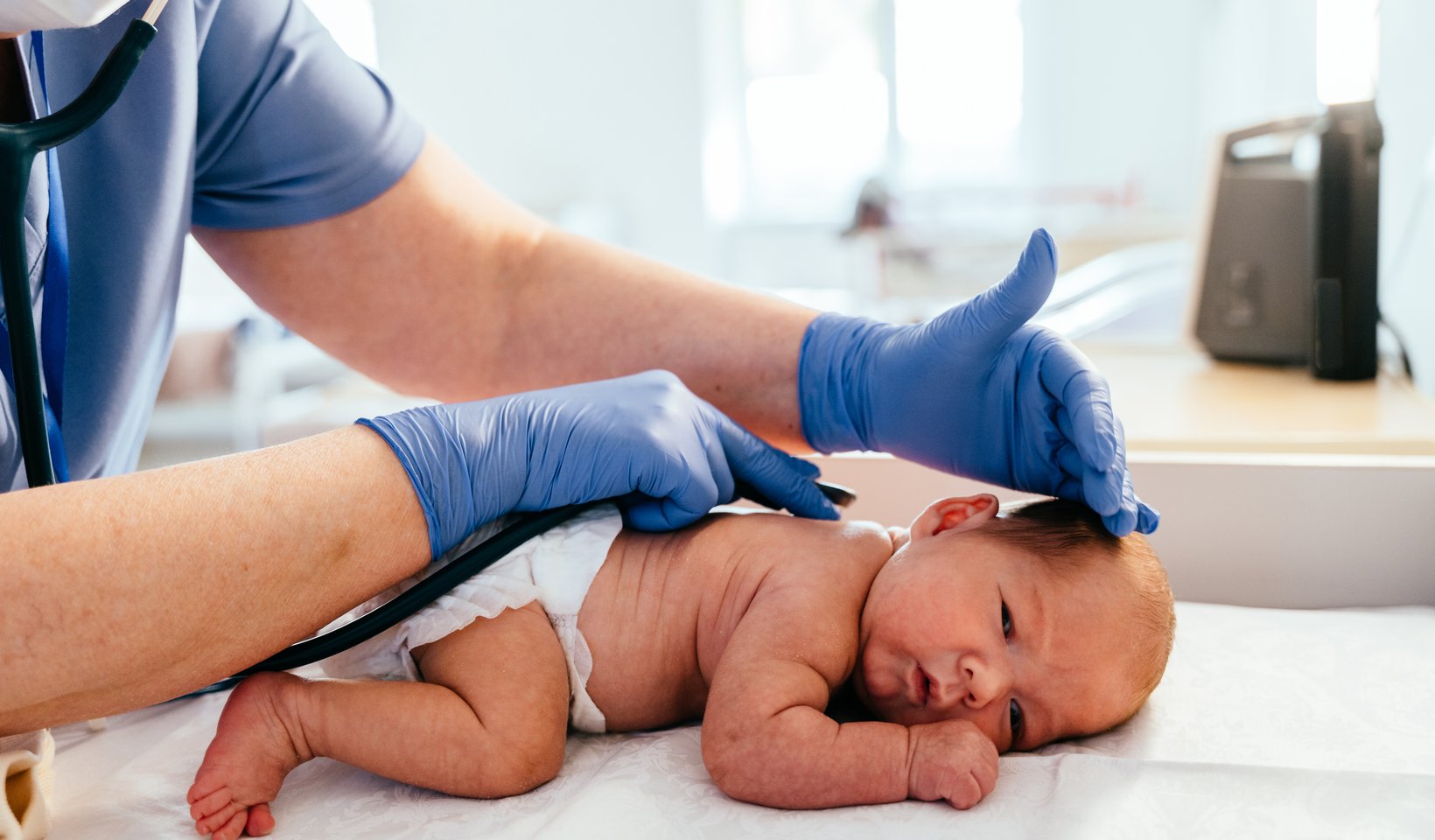
- Take the pulse oximetry reading: It is performed using a pulse oximeter, a quick and non-invasive test that estimates the amount of oxygen carried by hemoglobin in the blood without needing to draw a blood sample. The device is placed on the baby's right hand and any of the other limbs, and the readings are checked.
- Blood pressure in all 4 limbs: Blood pressure is measured in all 4 limbs and the values are reviewed in each limb.
If there is any abnormality in these tests, the examination will continue with an echocardiogram and evaluation by a pediatric cardiologist.
“Early detection means better care.”
In Fundación Valle del LiliWe work every day to provide comprehensive and safe care to newborns. Currently, we are conducting complete newborn screening and providing parent education to ensure continued follow-up and monitoring. As parents and caregivers, you play a vital role in your children's health.