


Author:
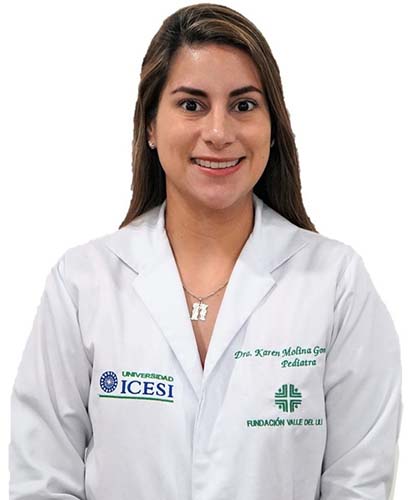
Dr. Karen Molina Gómez
Leader of the Caring for You Program – Pediatric Palliative Care
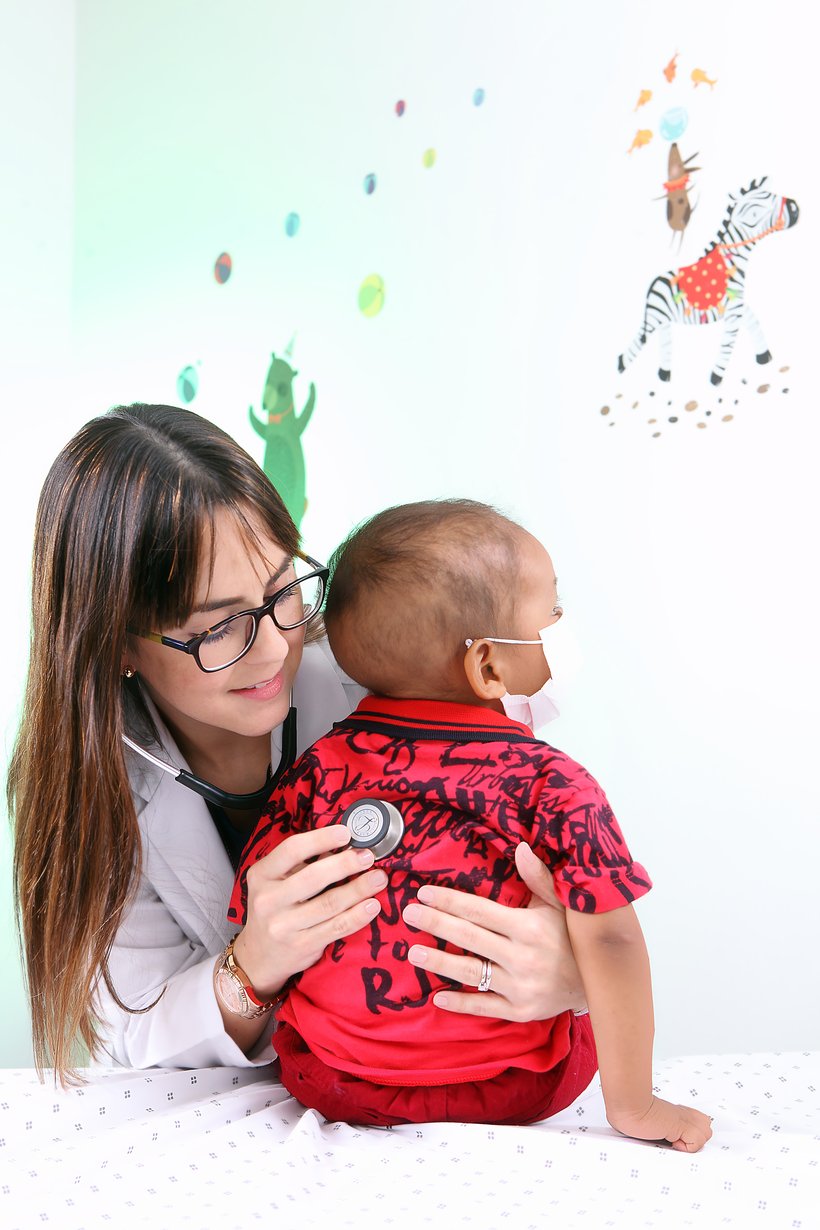
“Pediatric palliative care does not mean giving up; it means providing better care, alleviating suffering, and offering humane support at every stage of the illness.”
What do we really understand by pediatric palliative care in the Fundación Valle del Lili?
When we hear "palliative care," many people immediately think of the end of life. However, in pediatrics, it is primarily a way to provide better care. We place the child and their family at the center to collaboratively seek quality of life and well-being—not only physical, but also emotional, social, and spiritual.
Is it true that this service is only for the final moments of life?
No. This is the first major myth to debunk. Pediatric palliative care can begin from the moment a complex illness is diagnosed, even if a cure is possible. Its goal is to complement current treatments, ensuring comfort for months or years, adapting to each stage and anticipating complications.
Can children who are still undergoing curative treatments such as chemotherapy receive it?
Absolutely. Many of our patients undergo intensive treatments (surgeries or advanced therapies) that cause side effects such as pain, vomiting, or anxiety. The palliative care team intervenes to alleviate these symptoms, allowing the child to continue their treatment in better conditions. We don't choose between curing and caring: we do both simultaneously.
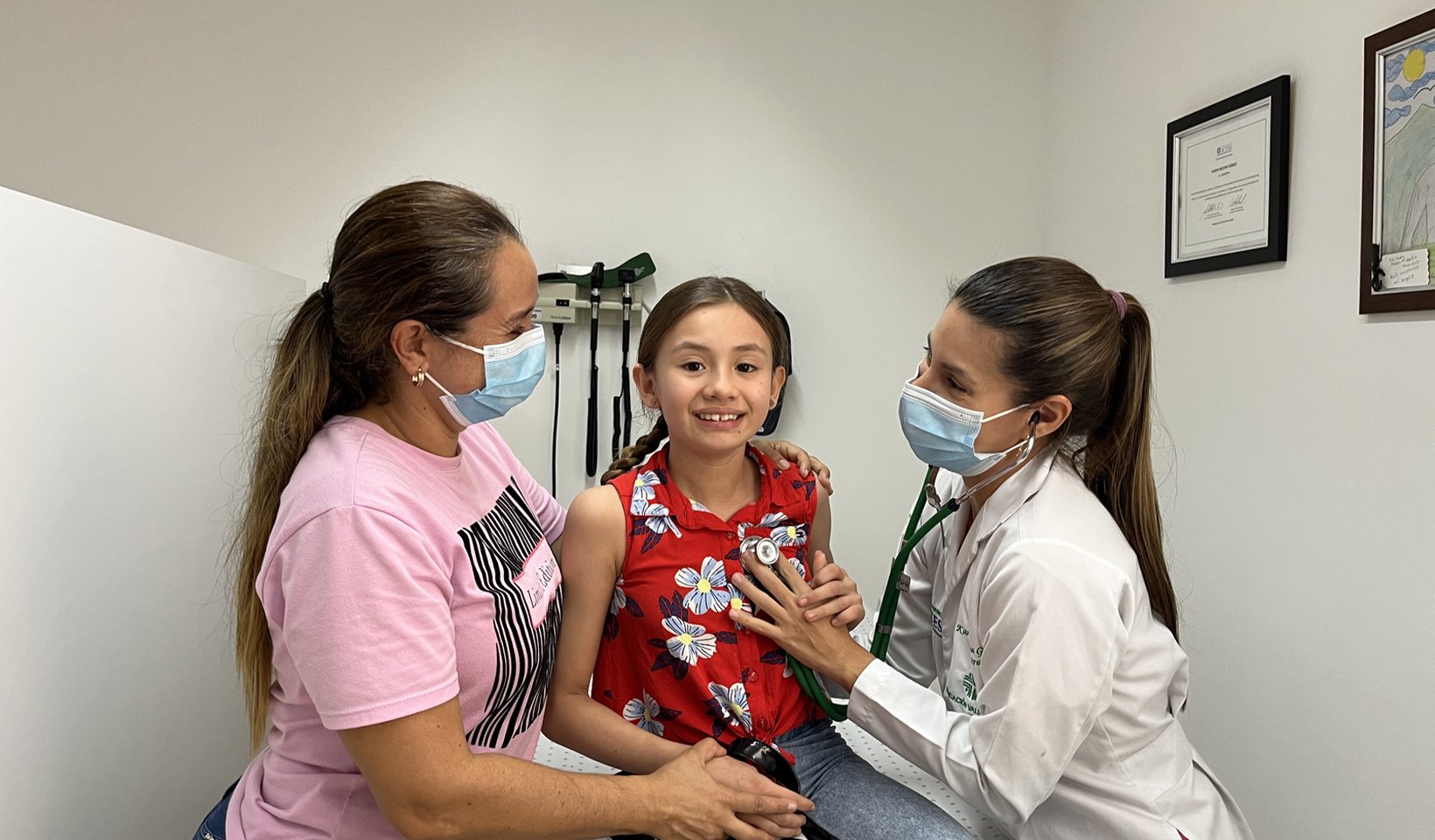
How is pain management approached in these patients?
Pain is one of the most debilitating symptoms, and its relief is our absolute priority. No child should live with preventable pain. We use a comprehensive approach that includes medication, non-pharmacological interventions, integrative therapies, and ongoing emotional support. Identifying and treating pain promptly restores dignity to the patient throughout their journey.
How can we ensure that a child remains a child despite the illness?
Quality of life is our focus. Every child has dreams and needs specific to their age. We strive to ensure they can play, learn, and share meaningful moments. To achieve this, we adjust treatments and establish routines, creating safe spaces inside and outside the hospital where their voice is heard and their individuality is respected.
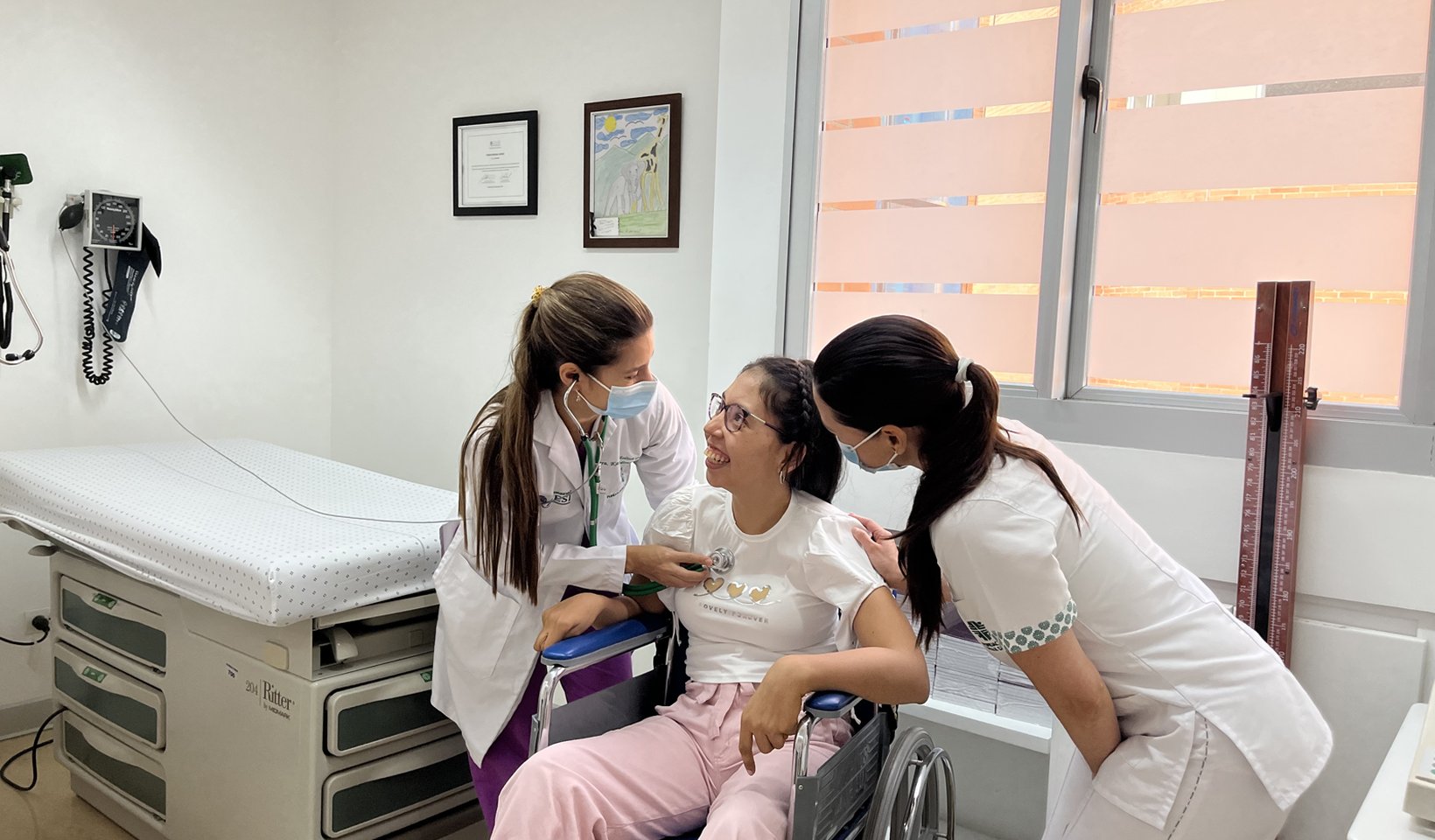
What role do family and care team play within the Foundation's program?
A child's illness diagnosis impacts their entire support network. That's why our team, comprised of pediatric palliative care specialists, psychologists, social workers, spiritual guides, nutritionists, rehabilitation specialists, and volunteers, provides tools to parents, caregivers, and siblings to support them through the illness and even beyond. We don't just support the medical treatment of a diagnosis; we accompany individuals in managing their emotions and the uncertainty they may feel.
Ultimately, pediatric palliative care doesn't mean giving up. It means providing better care, alleviating suffering, and offering compassionate support at every stage of illness. It's an invitation to shift our perspective: there's always something more that can be done for a child, even in the most difficult moments. Because while it's not always possible to prevent illness, it's always possible to provide comfort, relief, and dignity. That, ultimately, is the true meaning of caring.