




Author

Dr. Sebastián Rendón
Specialist in Pediatric Orthopedics and Traumatology | Orthopedics
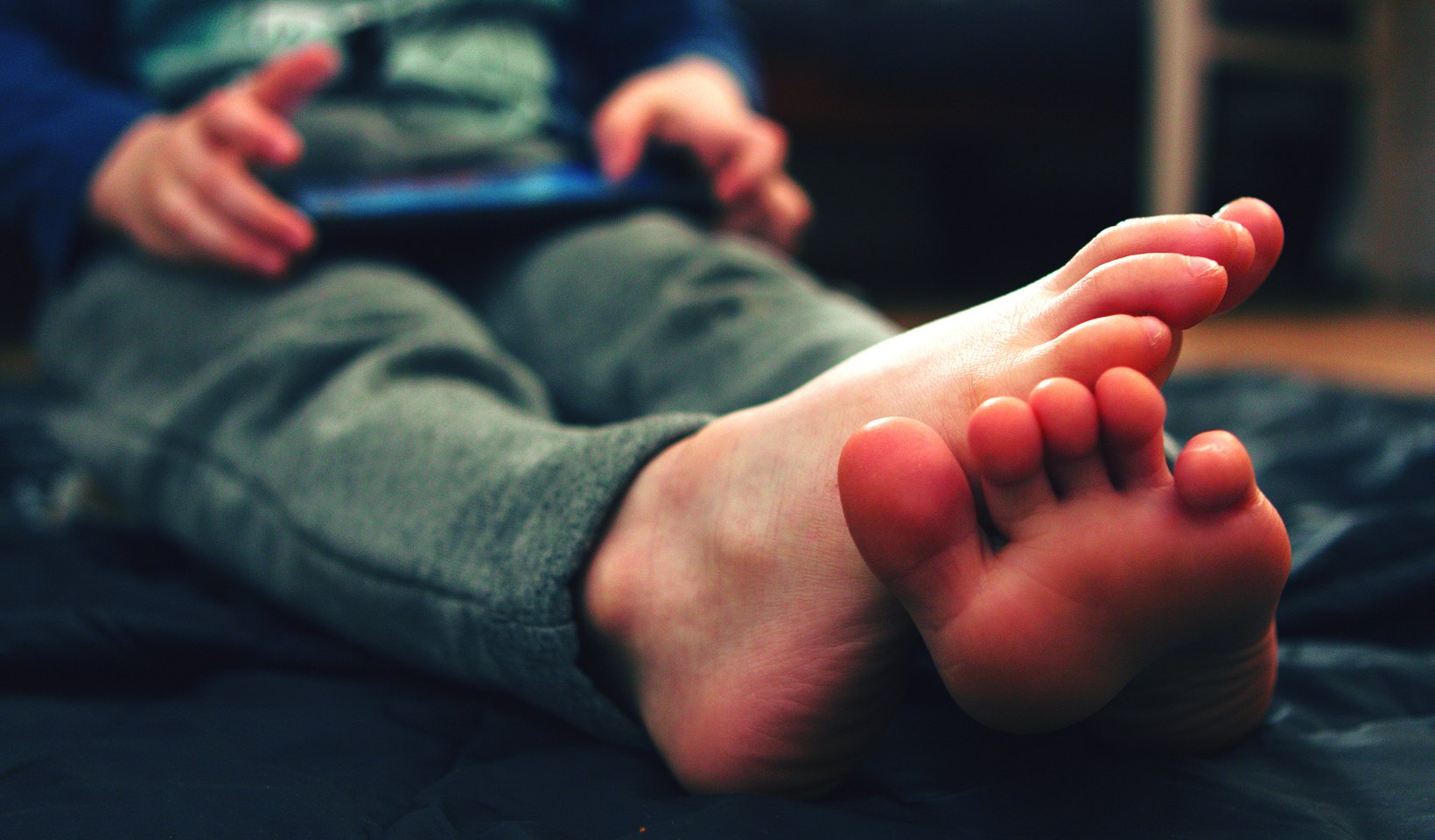
Understand why inward gait occurs and how specialized support provides peace of mind in your children's development.
Understanding your child's gait: questions and answers
Medically known as intoeing , it is a gait pattern where the feet point inward toward the midline of the body. It is not a disease, but a developmental condition that affects nearly 30% of children in their early years.
Why is this happening to my child's body?
There are three main causes depending on the rotation zone:
- Metatarsus adductus: a curve in the front of the foot, common in infants.
- Internal tibial torsion: a rotation in the leg bone (tibia) that usually improves before age 5.
- Femoral anteversion: A tilt of the thigh bone (femur), more noticeable from age 3 and which usually corrects itself naturally around age 10.
How is the diagnosis performed in the Fundación Valle del Lili?
Our approach is clinical and humanistic. In most cases, the specialist only requires a detailed medical history and a thorough physical examination of the foot axis and hip rotation.
We avoid the unnecessary use of x-rays, protecting the child from unjustified radiation, unless there are specific warning signs.
What is the recommended treatment?
Current scientific evidence is clear: professional observation and follow-up are the best treatment. More than 90% of cases resolve spontaneously.
Today we know that orthopedic shoes, splints, or insoles do not accelerate correction and can affect a child's comfort and self-esteem.
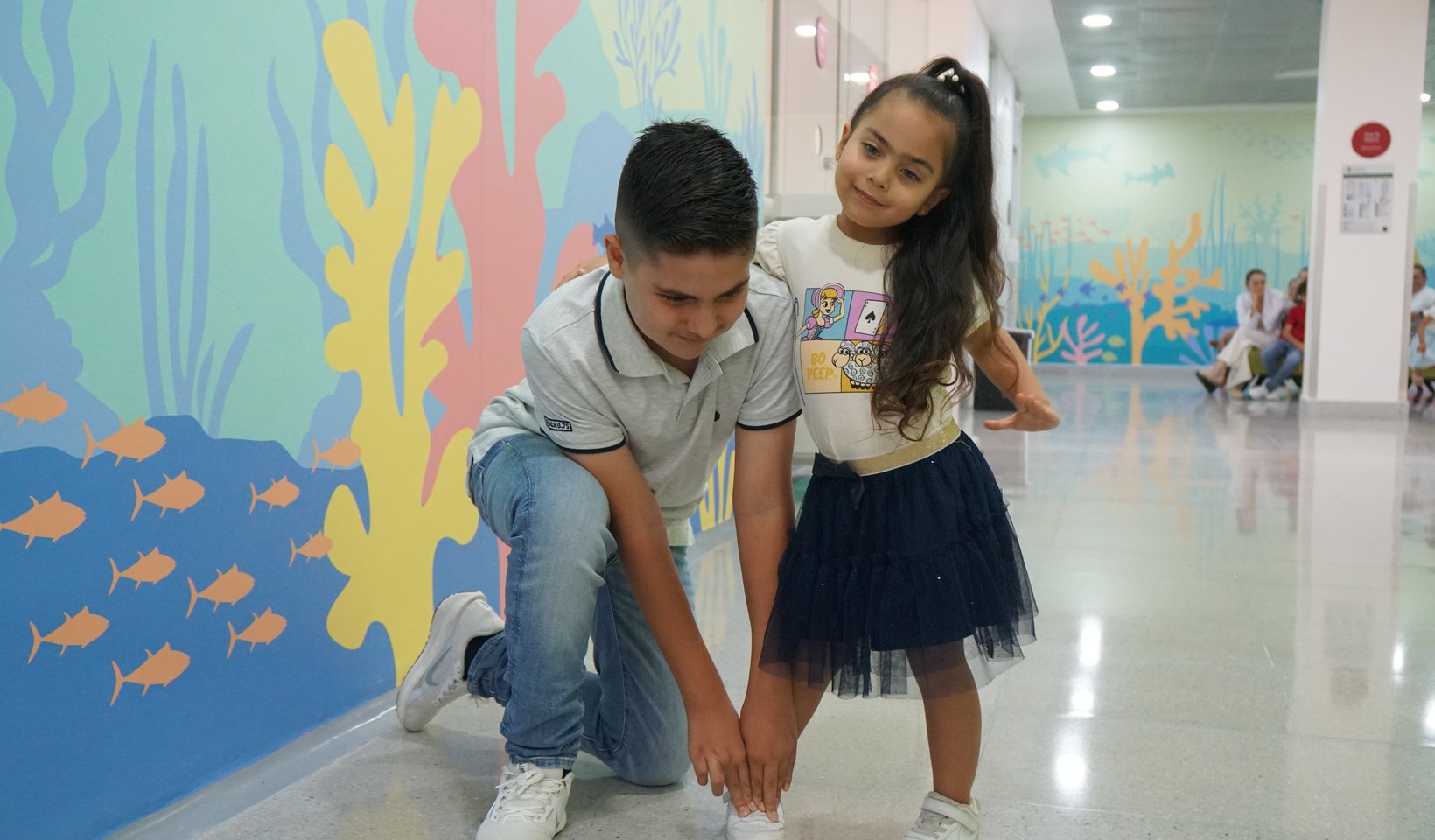
Are there any myths I should ignore?
It's common to hear that "wearing your shoes on backwards" or "getting immediate physical therapy" will correct the problem. However, these practices have no medical basis.
Walking with your feet turned inwards will not prevent your child from being a great athlete in the future, nor will it cause them chronic pain.
When is the right time to consult a specialist?
Although the evolution is usually positive, in the Fundación Valle del Lili We recommend a professional evaluation if you notice:
- The condition persists or worsens after 8 or 10 years of age.
- The child shows signs of pain, weakness, or an obvious limp.
- There is a marked asymmetry (one foot is much more rotated than the other).
- There is a noticeable delay in overall motor development.
Most variations in infant gait are part of a natural maturation process that requires more patience than invasive treatments.
Comprehensive care for the steps of tomorrow
Your children's well-being begins with prevention and knowledge. If you have concerns about your child's motor development or notice any worrying signs, we invite you to schedule an appointment with our Pediatric Orthopedics service . We have a team ready to provide the ethical and professional guidance your family deserves, always prioritizing the quality of life and happy development of your little ones.