



Key information to understand the role of vaccination in disease prevention.
Author
Dr. Paola Marsela Pérez Camacho
Pediatric Infectious Disease Specialist – Fundación Valle del Lili
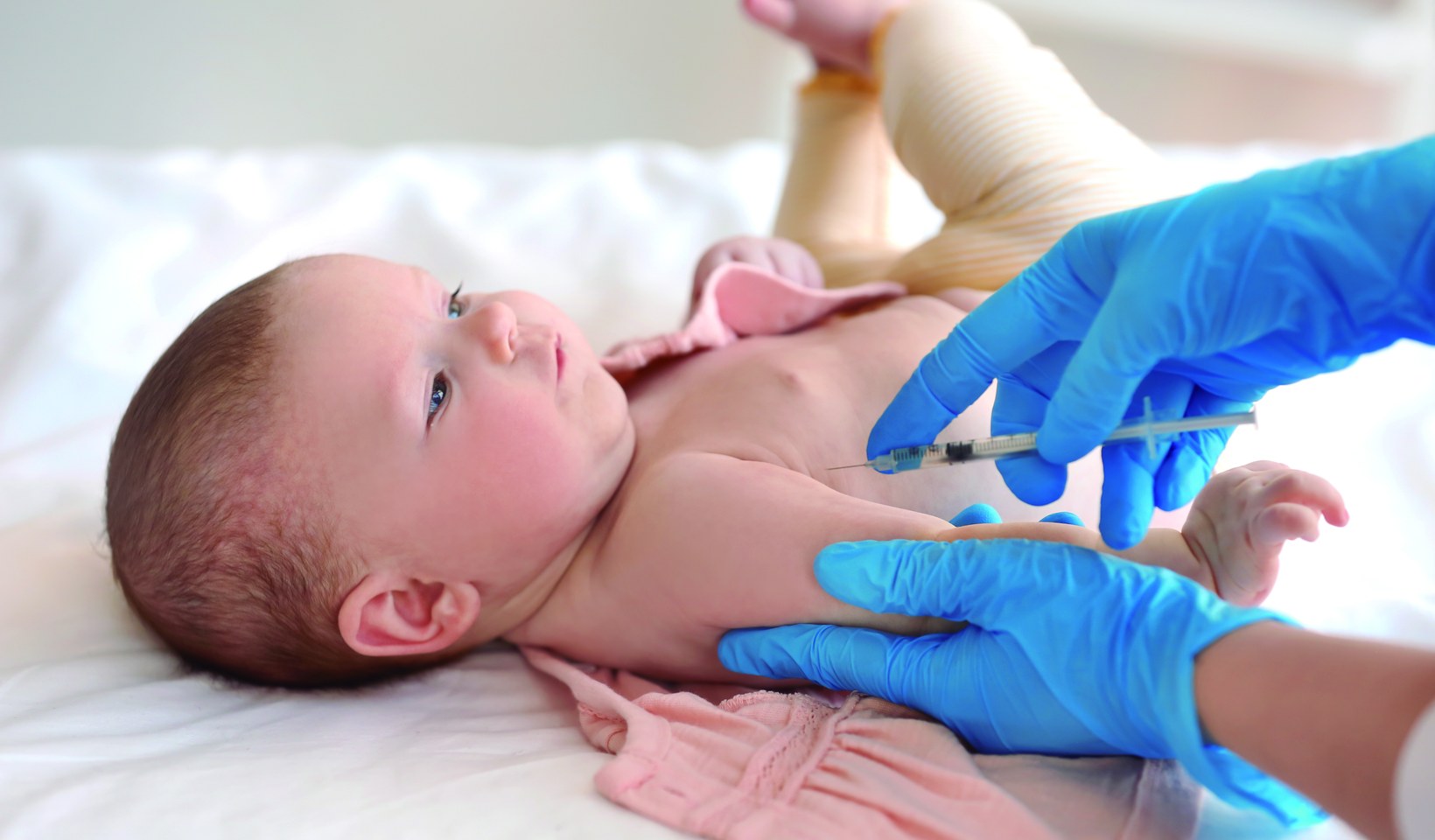
"Vaccines not only prevent diseases: they have changed the history of public health and continue to save millions of lives every year."
In the last 10 years, have you seen any cases of smallpox, measles, neonatal tetanus, or diphtheria in your family or in someone close to you?
If you live in Colombia, the answer is most likely no. This is because the country either has no known cases of these infections or their frequency has decreased significantly, thanks to the implementation of the Expanded Program on Immunization, which targets children under 5 years old, pregnant women, and at-risk populations.
Thanks to these strategies, Colombia eradicated smallpox in 1979 (a milestone achieved worldwide in 1980), was declared measles-free in 2014, and eliminated neonatal tetanus as a public health problem in 2017. Regarding diphtheria, the sporadic cases recorded in the last decade have occurred mainly in people with incomplete vaccination schedules or no history of immunization, with the child population being the most affected and having the highest mortality rates.
Did you know how many deaths vaccines have prevented?
Since 1974, vaccination has prevented approximately 154 million deaths worldwide, including 146 million children under the age of 5, of whom 101 million were under 1 year old. This impact has contributed to a reduction of nearly 40% in global child mortality.
This means that today, a child under 10 years old with a complete vaccination schedule is 40% more likely to survive compared to times when vaccination did not exist. Furthermore, it is estimated that between 2021 and 2030, vaccines could prevent approximately 50 million additional deaths.
Did you know that cases of measles were recently confirmed in Colombia?
Although the Americas region remained measles-free for several years, a significant increase in cases was recorded in 2025, with the disease present in at least 10 countries, including Canada. By the end of that year, more than 12.500 cases and nearly 30 deaths had been reported.
In Colombia, as of March 2026, four imported cases had been confirmed, meaning individuals who acquired the infection abroad. This scenario represents a significant risk, as an outbreak could occur in unvaccinated populations or those with incomplete vaccination schedules—especially children—due to the virus's high transmissibility. Measles can cause serious complications, permanent neurological damage, and even death, and there is no specific treatment.
Did you know that some vaccines help prevent certain types of cancer?
That's right. Vaccines against hepatitis B and human papillomavirus (HPV) play a key role in cancer prevention. Chronic hepatitis B infection can lead to cirrhosis and hepatocellular carcinoma.
HPV, for its part, is associated with various types of cancer, the most well-known being cervical cancer. In Colombia, approximately 3.800 cases of this type of cancer are registered annually, making it the third leading cause of cancer death in women. HPV can also cause cancer of the penis, rectum, mouth, and throat.
Did you know that there is already a vaccine against respiratory syncytial virus in Colombia?
Yes. Since November 2025, this vaccine has been included in the vaccination schedule for pregnant women to protect babies from birth. Respiratory syncytial virus (RSV) is one of the leading causes of respiratory infection in infants under one year old and can cause serious complications and even death.
Did you know that the flu vaccine has additional benefits?
Several studies have shown that influenza vaccination significantly reduces complications and hospitalizations in patients with chronic illnesses such as diabetes. In fact, people with diabetes are up to three times more likely to die from complications associated with this infection.
Additionally, this vaccine has been shown to have protective effects against cerebrovascular events, both ischemic and hemorrhagic.
Other benefits of vaccination that you may not know about
- Some vaccines help to reduce bacterial resistance to certain antibiotics.
- Its impact on the prevention of neurodegenerative diseases, such as dementia, is being investigated (for example, with vaccines against herpes zoster and respiratory syncytial virus).
- By 2030, it is estimated that there will be nearly one billion people over the age of 65 worldwide. In this context, vaccination will be a fundamental pillar for healthy aging.