




Authors:
Dr. María Camila Garzón, dermatologist, University Hospital Fundación Valle del Lili
Dr. Juan Felipe Pinilla, dermatologist, University Hospital Fundación Valle del Lili

Dr. Yaisa Díaz, dermatologist, University Hospital Fundación Valle del Lili
Dr. Natalia Calvache, dermatologist, University Hospital Fundación Valle del Lili
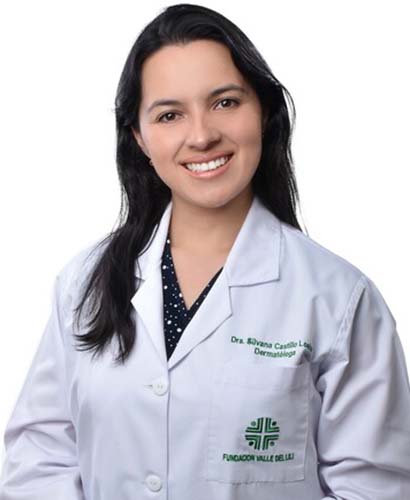
Dr. Silvana Castillo, dermatologist, University Hospital Fundación Valle del Lili
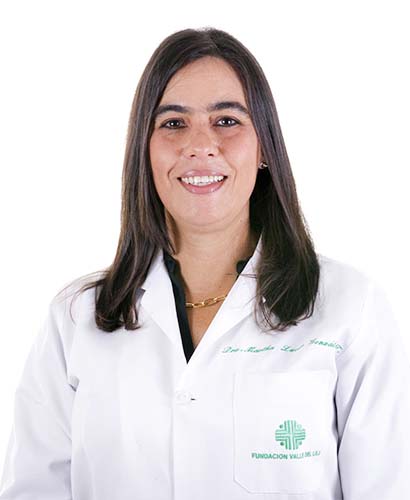
Dr. Martha Lucía González, dermatologist, University Hospital Fundación Valle del Lili
The word laser is an acronym in English for Light Amplified by Stimulated Emission of Radiation, which means “light amplified by stimulated emission of radiation”.
In dermatology, laser devices use a specially designed light source that, depending on the technology employed, can generate different effects on tissues. This allows for precise and controlled treatment of specific skin conditions.

Before the laser era, dermatological treatments, while effective, were often invasive and required lengthy recovery periods. Physicians faced significant limitations in treating skin conditions, relying primarily on traditional surgical techniques, harsh chemical peels, and abrasive procedures.
In the 1950s, acne scars were primarily treated with manual dermabrasion (a treatment that scrapes the skin's surface to stimulate a new, smoother layer) and the use of very aggressive chemical agents, which could cause significant side effects. Furthermore, facial rejuvenation relied almost entirely on surgical procedures, such as the traditional facelift.
The first medical laser, developed in 1960, marked the beginning of a new era in skin treatment. Pioneering dermatologists began experimenting with different wavelengths, energy levels, and pulse durations—knowledge that later led to the creation of much more precise and safer laser technologies.
The real revolution came in the 1980s with the theory of selective photothermolysis , which allowed the development of lasers capable of targeting specific skin structures without affecting the surrounding tissue. This advance transformed dermatology by making much more precise, safer, and more effective treatments possible.
Over time, devices capable of using several types of laser light simultaneously were developed, each with a specific purpose. Among these technologies is Fotona SP , a system that combines different wavelengths to treat multiple skin conditions with a single device, more safely and precisely.
This evolution has not only improved clinical outcomes, but has also transformed the patient experience, avoiding long recovery periods, with predictable results.
Today, laser technology continues to evolve with increasingly sophisticated equipment capable of personalizing treatments to meet each patient's specific needs. This adaptability, combined with the precision and safety of current systems, has made lasers a fundamental tool in modern dermatology.

What makes the Fotona SP laser so special compared to other dermatological treatments?
What makes the Fotona SP unique is its ability to combine two different types of lasers on a single platform.
The Er:YAG laser works on the skin's surface and acts on the water within the tissues. This allows for the controlled removal of very thin layers of skin, resulting in a more uniform effect with less irritation. Therefore, it typically causes less redness and changes in skin tone compared to older technologies.
The Nd:YAG laser, on the other hand, complements surface treatments by acting on deeper layers of the skin. It produces a controlled thermal effect without damaging the outer layer, allowing for treatment of internal tissues without creating visible wounds.
Furthermore, its energy interacts little with melanin (the pigment that gives color to the skin), making it safer for a wide variety of skin tones, from light to dark.
What conditions can this type of laser treat?
In the field of medical dermatology, this laser can be used to treat inflammatory conditions such as acne and rosacea, as well as more specific problems related to skin texture and appearance, including atrophic scars, acne scars, ulcers, enlarged pores, and red or white stretch marks. It also allows for the removal of benign lesions such as lentigines, seborrheic keratoses, fibromas, nevi, warts, and syringomas.

Is it safe for all skin types?
One of the most outstanding features of the Fotona SP system is its adaptability. Unlike some traditional lasers, whose results can vary depending on skin type, this technology allows for adjusting parameters and techniques for different skin tones and conditions, while maintaining safety and effectiveness.
How should one prepare for treatment with Fotona SP?
Proper preparation is key to achieving good results. This includes a thorough medical consultation, avoiding strong sun exposure, and, if the specialist deems it necessary, discontinuing medications that may cause light sensitivity (such as some antibiotics) or increase the risk of bleeding. In addition, it is essential to use sunscreen consistently before the procedure.
It is also important to stop smoking at least one month before the procedure, as tobacco can delay the healing process.
The dermatologist should be informed about previous treatments, in order to determine if it is necessary to delay treatment.
What can be expected during and after treatment?
The procedure is comfortable and quick, generally lasting between 30 and 60 minutes. During the treatment, most patients experience only a mild warming sensation or slight discomfort. After the treatment, recovery is remarkably fast. Most people can resume their normal activities almost immediately, although they will experience some mild, temporary redness.
What is the recovery process after treatment?
Patients may experience redness and a warming sensation in the treated area, but these effects are usually temporary. The fractional pattern allows the surrounding tissue to accelerate the healing process, resulting in shorter recovery times compared to traditional laser treatments.
What are the post-treatment care?
Post-treatment care is essential to optimize results. Some recommendations include:
-
Strict sun protection with SPF 50+, applying frequently at least three times a day.
-
Intensive skin hydration with products specifically recommended by the specialist.
-
Avoid direct sunlight or extreme cold for at least four weeks.
-
Use only dermocosmetic products approved by a specialist.
-
Temporarily avoid using makeup and other cosmetics.
-
Maintain a gentle, non-irritating cleansing routine.
-
Reduce your consumption of alcohol, coffee, and spicy or very hot foods, as these promote the dilation of blood vessels during the first few days after laser treatment.
-
Consume foods with anti-inflammatory potential, such as those rich in fatty acids (for example, cold-water fish), as well as nuts, vegetables and a balanced diet, avoiding ultra-processed foods.
How long does results last?
The results of treatment with Fotona SP are progressive and cumulative. Depending on the type of treatment, the effects can last from 6 months to 2 years. However, it is important to understand that aging is a continuous process, and maintaining the results will largely depend on aftercare and the patient's lifestyle.
Are there any risks or contraindications that should be considered?
As with any medical procedure, there are certain contraindications that must be considered. It is not recommended for people who are pregnant or breastfeeding, those who have recently used isotretinoin, have active skin infections, or certain uncontrolled autoimmune diseases. A thorough consultation with a dermatologist is essential before starting any treatment.
In conclusion, laser treatments represent a revolution in modern dermatology, offering precise, minimally invasive, and highly effective solutions for a wide variety of skin problems.
The Fotona SP system is distinguished by its tangible, scientifically backed results. In the hands of trained professionals, it can help patients achieve their health and aesthetic goals safely and efficiently. Its outstanding results and reduced recovery times have made this technology a preferred choice for both professionals and patients.
However, it's important to remember that every case is unique and what works for one person may not be ideal for another. Therefore, a personalized evaluation by a dermatologist is required, who will determine the most appropriate treatment protocol for each patient.