



Authors:

Dr. Jaime Manuel Restrepo, Dr. Vanessa Amparo Ochoa Jimenez and Dr. Jessica María Forero Delgadillo
Pediatric Nephrologists

Comprehensive and specialized care to protect the organs of our premature warriors.
“Being born prematurely is a challenge, but with interdisciplinary follow-up, the health outcome of a premature child can be transformed positively.”
What is the SONREyR program and why is it vital for a baby born prematurely?
The SONREyR program (Observational, Nutritional-Neurological, Respiratory, Endocrine and Cardio-Renal Follow-up) is a strategy designed to closely monitor the development of premature babies.
When a child is born before 37 weeks, their organs, especially the kidneys, heart, and lungs, are not fully developed. This program aims to detect any abnormalities early to ensure they have a healthy adult life.
How does extreme prematurity affect kidney function?
A baby born before 30 weeks gestation arrives with only 30% of the kidney capacity of a full-term infant. Because not all of their glomeruli (the "filters") are functioning, their kidneys have to work twice as hard, increasing the risk of damage. This program intervenes to protect this remaining kidney capacity and prevent future problems.
What is the relationship between birth weight and adult diseases?
There is what we call the "fetal origin of diseases." Conditions such as Intrauterine Growth Restriction (IUGR) cause permanent changes in the pancreas and heart.
Without proper follow-up, these children have a higher risk of developing obesity, diabetes, and high blood pressure as adults.
Why is nutritional control so important in these patients?
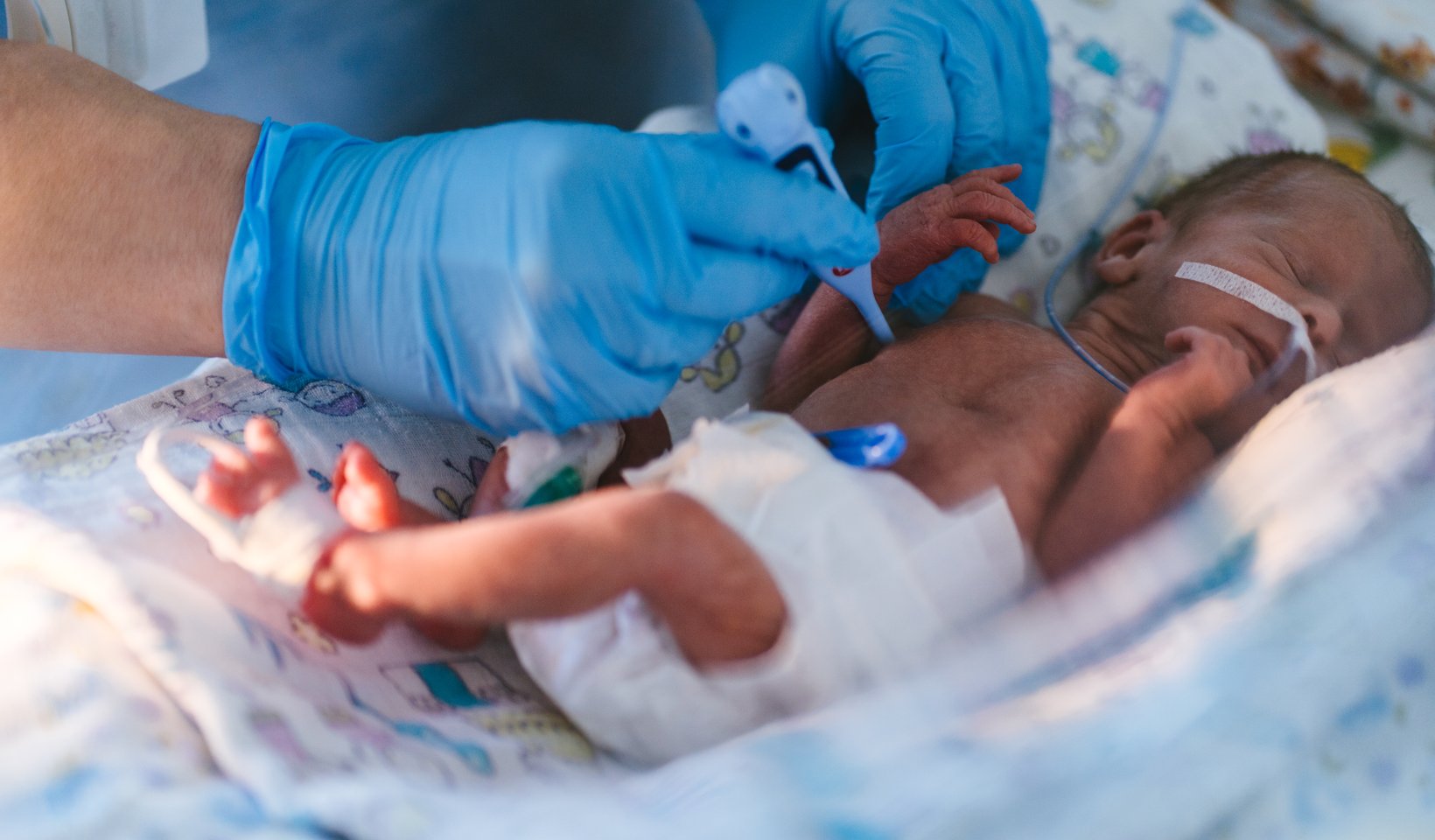
The brain of a premature infant has great plasticity but is fragile. Precise nutrition and growth monitoring prevent excess weight from overloading organs that already have limited reserves. Premature infants who develop obesity have a much higher risk of kidney failure than infants born at term.
What are the key factors for a premature baby to grow up healthy?
Although they may seem like simple recommendations, in a premature infant they are the foundation of their survival and quality of life:
- Balanced diet: Exact protein intake for their age.
- Low salt: Excess sodium is the main enemy of your kidneys and heart.
- Constant hydration: Water is the vital fuel for your metabolism.
- Weight control: Avoid rapid fat gain to prevent exhausting the function of your organs.
What is the ultimate goal of this interdisciplinary follow-up?
We envision the Pediatric Center as a place where, through specialists in nephrology, cardiology, endocrinology, and nutrition, we can detect any risks early. We don't just want the baby to survive the NICU; we want them to grow into a young adult free from catastrophic cardiovascular or kidney diseases.