



Authors:

Dr. Juan Sebastián Barona Wiedman and Dr. Jaime López Tenorio
Gynecologists, Obstetricians, Maternal-Fetal Medicine
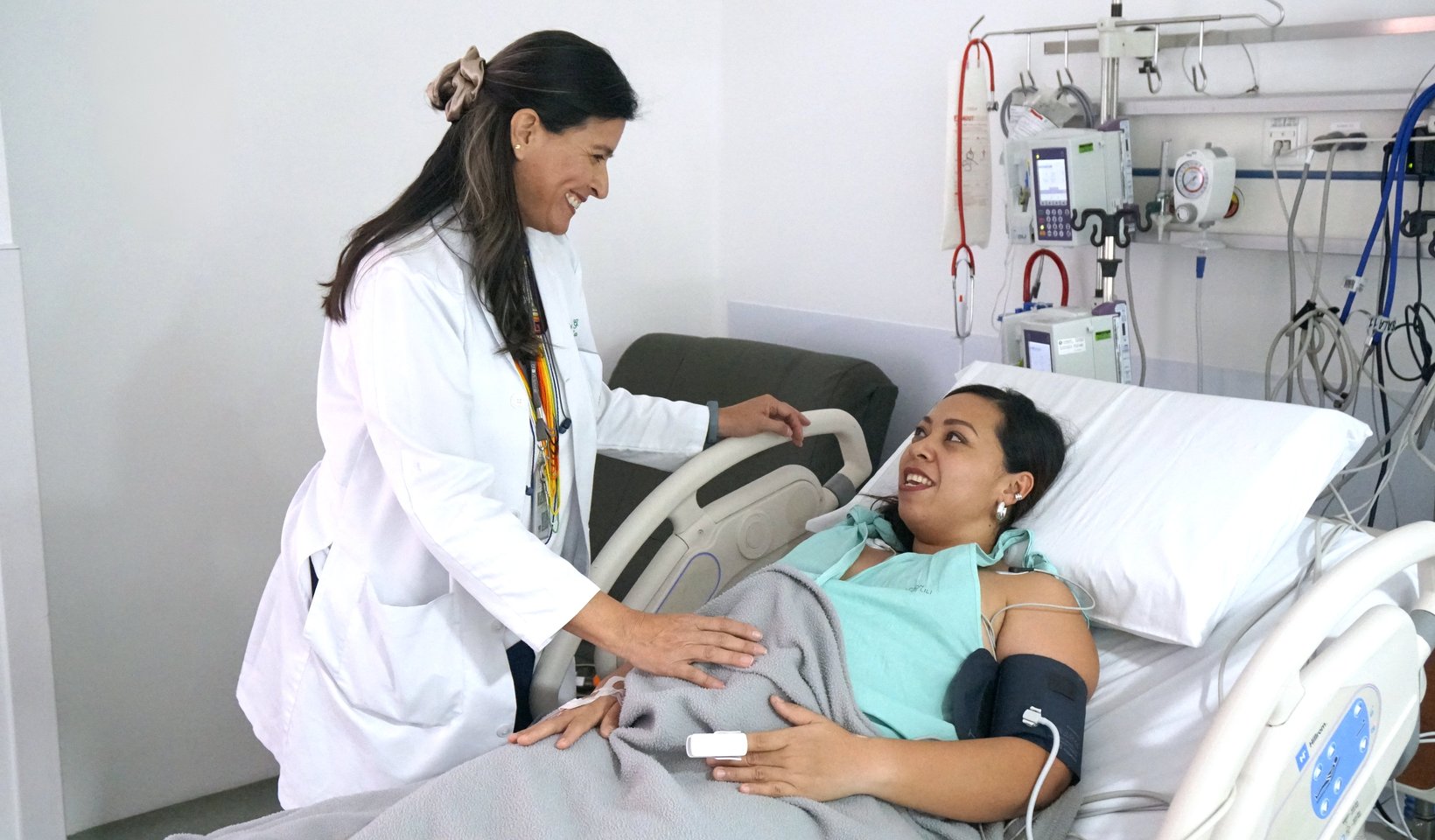
Caring for a child begins long before birth. Pregnancy is a crucial stage in which the foundations of the baby's health are developed, and it also involves significant physical, emotional, and social changes for the mother and her family. During this period, adequate healthcare support is essential.
Perinatal care includes not only pregnancy, but also childbirth and the postpartum period, a stage in which the use of health services is particularly high due to the multiple needs of the mother and fetus.
One of the cornerstones of care is prenatal care. This allows for the assessment of the mother's and fetus's health, the identification of risks, and timely intervention. International guidelines emphasize the importance of regular maternal and fetal assessments, as well as preventive and nutritional interventions during pregnancy.
In Colombia, the healthcare system encourages women to have several prenatal appointments, including physical exams, lab tests, and ultrasounds. These checkups help prevent illnesses and identify early risks such as preeclampsia or gestational diabetes.

Maternal nutrition plays a key role in gestational development. Adequate nutrition during pregnancy contributes to healthy fetal growth and reduces the risk of complications. Conversely, conditions such as malnutrition or maternal illness can increase the likelihood of adverse outcomes such as premature birth or low birth weight.
During pregnancy, it is recommended to increase the consumption of nutrient-rich foods such as:
- Fresh fruits and vegetables
- Proteins (chicken, fish, eggs, legumes)
- Iron-rich foods
- Foods with calcium
It's also important to take supplements prescribed by a doctor, especially folic acid and iron, which help prevent developmental problems in the baby and anemia in the mother. In addition to nutrition, lifestyle habits are crucial. Factors such as alcohol consumption, smoking, or pre-existing medical conditions can directly affect the health of the fetus and increase the risk of complications during pregnancy.
Prevention also includes detecting infections and other conditions that can affect the baby. Recommended practices include screening for diseases during pregnancy and providing appropriate follow-up care for the mother using tools such as the maternal and perinatal health record.
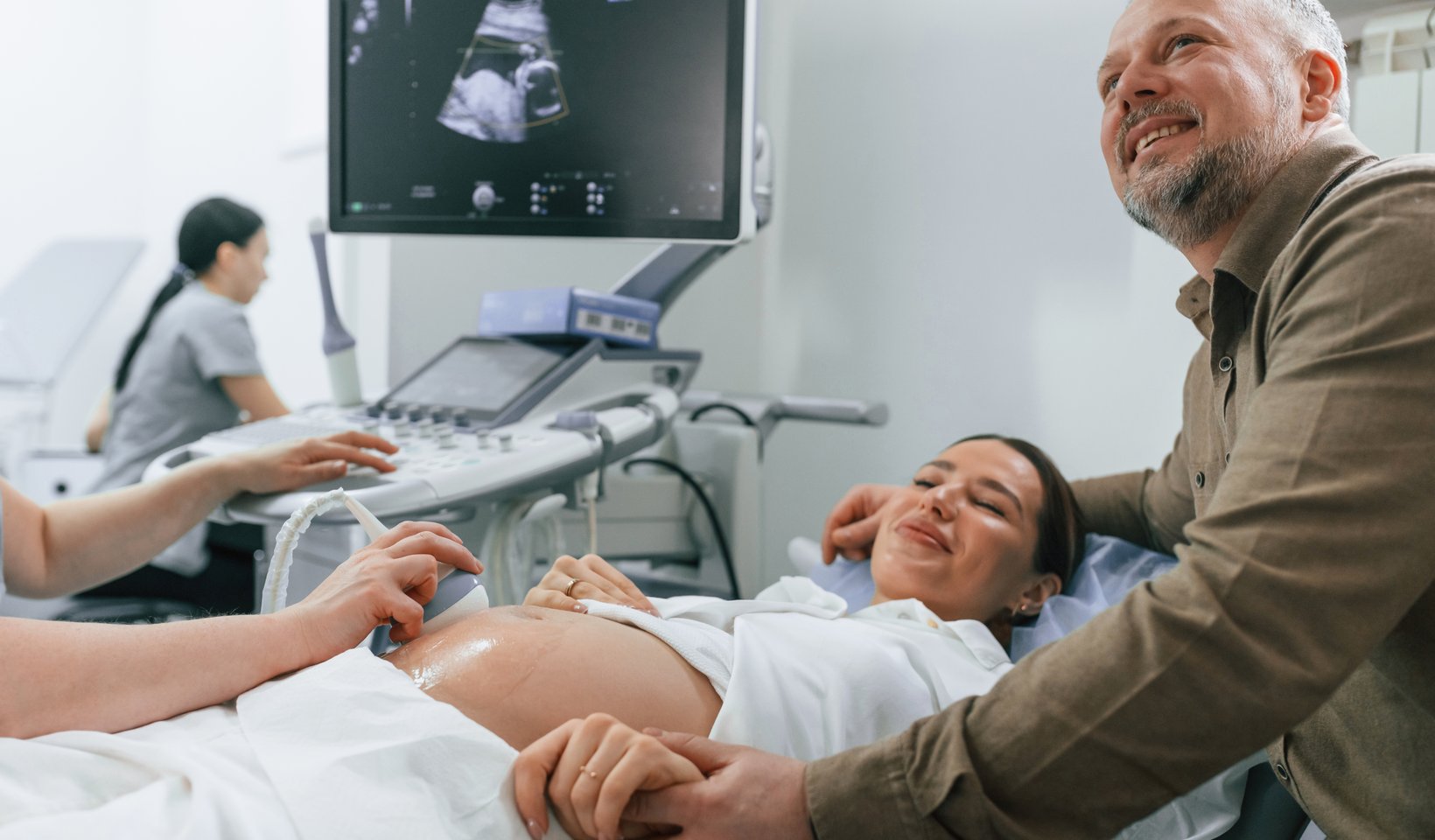
Another key aspect is preparation for childbirth. Proper care during labor, continuous support for the mother, and safe practices such as active management of the third stage of labor (placental delivery) help reduce complications and improve outcomes for both mother and newborn.
Breastfeeding, in particular, is one of the most important interventions in early life. It provides essential nutrients, strengthens the immune system, and fosters bonding between mother and child.
Finally, it is important to understand that childcare is an ongoing process. A newborn's health depends not only on medical interventions but also on the family environment, social conditions, and access to integrated health services that support the mother and child before, during, and after birth. After birth, immediate newborn care is essential. Practices such as early skin-to-skin contact between mother and child, exclusive breastfeeding, and delayed cord clamping have been shown to be beneficial for the baby's health.