




Defecation Disorders
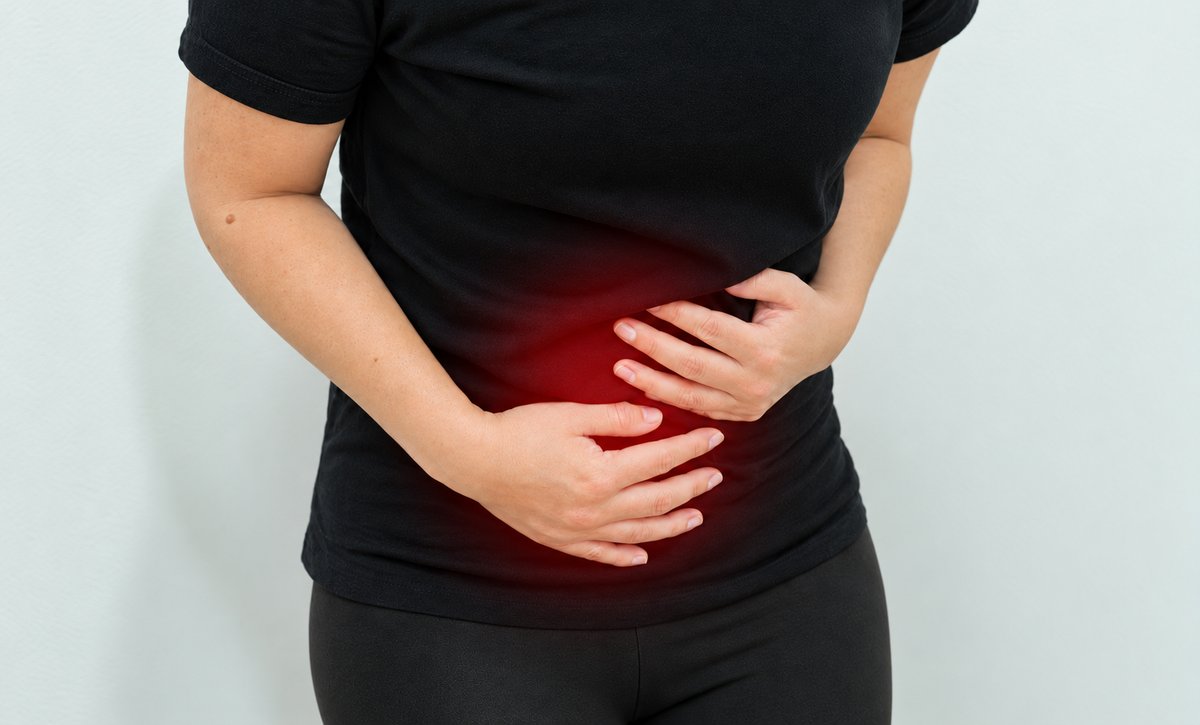
Proper functioning of the pelvic floor muscles is essential for bowel movements and continence. Disorders affecting these muscles can lead to obstructions or fecal incontinence.
Constipation
It refers to an alteration of defecation, characterized by hard stools, difficulty defecating, a feeling of incomplete evacuation, among other characteristics.
Risk factor's:
Advanced age, low physical activity, female sex, use of certain medications.
Fecal incontinence
It is the continuous or recurrent leakage of fecal matter, at least once a month, in people over 3 years of age.
What problems could fecal incontinence cause?
- emotional disturbances: Anguish, shame, disgust, among others.
- Irritation: On the skin around the anus.
- Deterioration in quality of life: Impairment to exercise, go to work, or participate in social gatherings.
Recommendations
- Relax your pelvic floor and push while blowing.
- Try not to ignore the urge to defecate.
- Maintain adequate fiber and fluid intake.
- Wash with water after defecation.
- Develop the habit of having a bowel movement preferably 20 minutes after each meal.
- Avoid moisture in the anal area, make sure to dry properly.
- Try to undergo pelvic floor rehabilitation therapy to improve the function of these muscles.
- Sit properly on the toilet bowl, preferably using a footrest.