



Author
Alberto José Moncayo
Graphic Designer, Lecturer at Javeriana University
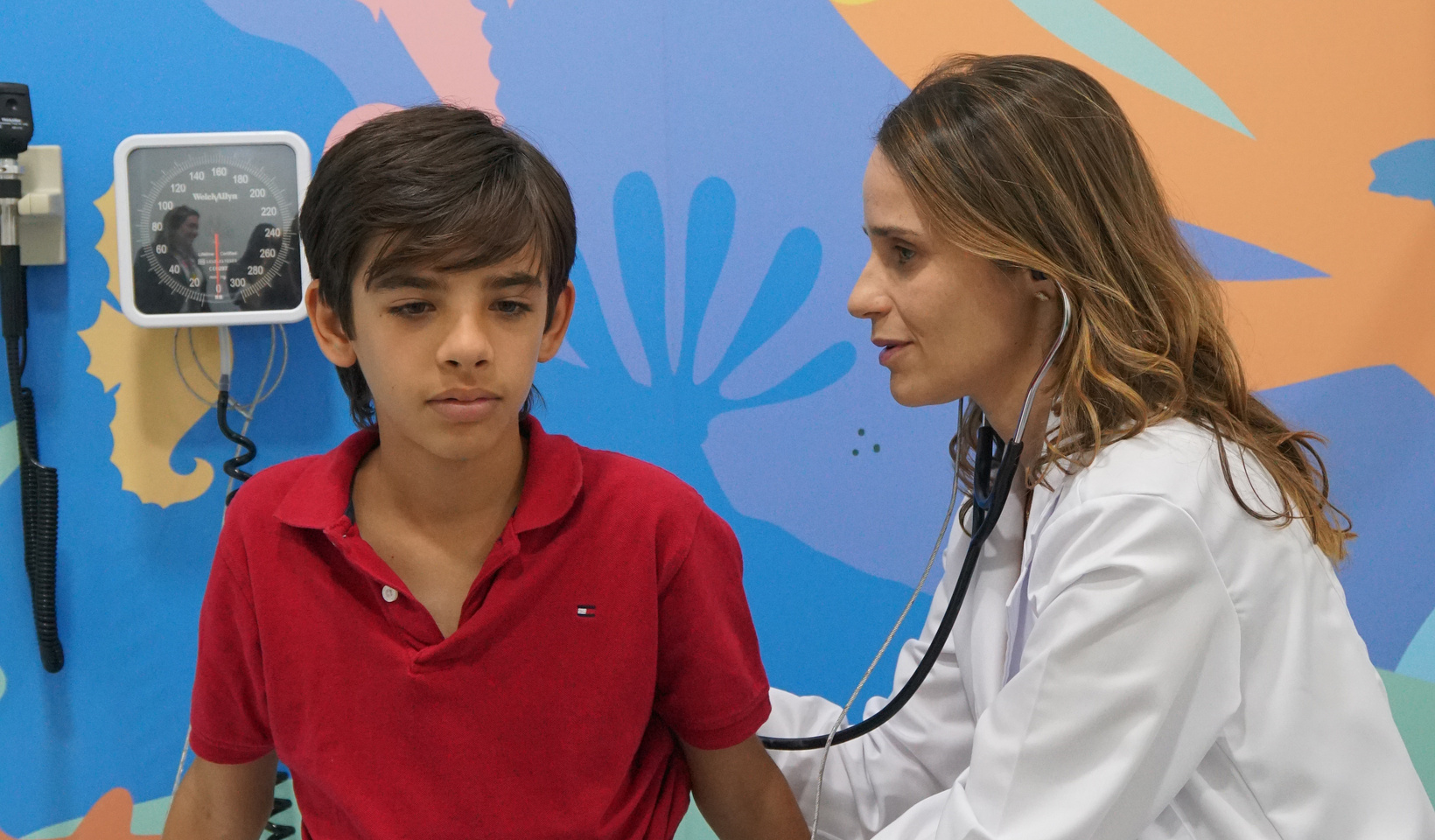
How the fauna of the Cauca Valley and the concept of “care” transform the experience at the Headquarters Limonar.
Entering a hospital doesn't have to be an overwhelming experience, especially for a child. Based on this premise, the Headquarters Limonar from the Fundación Valle del Lili The interior design transcends mere aesthetics to become a tool for well-being. Through colors, textures, and a visual narrative inspired by our region, every corner has been carefully considered to support, comfort, and humanize the recovery process for our young patients and their families.
What was the central premise in the interior design of the headquarters?
The intervention was based on the belief that design can generate emotional well-being. The main intention was to create an environment that acts as a symbolic escape from the clinical setting, facilitating relaxation for patients, their families, and healthcare staff.
Where does the inspiration for the visual proposal come from?
The proposal stems from the natural wealth of the Cauca Valley, integrating local landscapes and wildlife to strengthen the Foundation's "green" identity. These images not only decorate but also foster the imagination, reducing the emotional impact often associated with a traditional hospitality setting.
How is the visual narrative structured throughout the building?
A narrative was constructed to accompany the patient's recovery. On the lower levels (Emergency Room and ICU), an underwater world predominates, conveying serenity. As one ascends the floors, the spaces transform into terrestrial habitats, symbolizing the healing process as an ascent to the surface.
What role do illustrations of animals and their young play?
It's a key resource for humanizing care. By using figures of endemic species alongside their young, the bond of care and protection is emphasized. This visual subtlety allows children to feel protected and connected to their surroundings.
This work has been made possible thanks to the valuable support of the Foundation's interdisciplinary team and the architecture office in charge of the project, whose knowledge and contributions were fundamental to enriching and consolidating this proposal.