




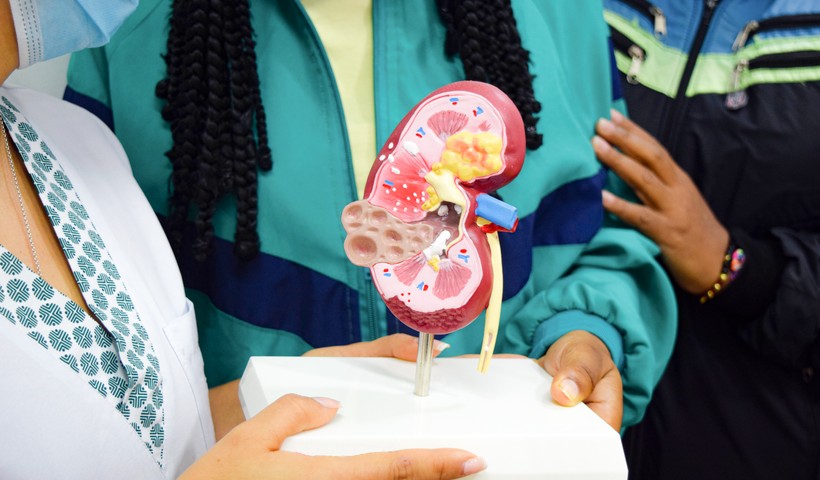
I know my kidney disease
Chronic kidney disease is the gradual loss of kidney function, which filters the blood and removes waste and excess fluid.
Kidney functions
- Disposal.
- Water balance.
- Regulation of blood pressure.
- Regulation of acid-base balance.
- Electrolyte balance.
- Production of erythropoietin, vitamin D and renin.
- Drug elimination.
Symptoms of kidney disease
In its early stages, kidney disease is asymptomatic; however, in advanced stages, symptoms such as the following may appear:
- Swelling in the feet, ankles, legs, and face
- Decreased visual acuity
- Fluid retention
- Nausea
- Threw up
- Inapetence
- Changes in urine production and frequency of urination
- Sleep disturbances
- Weight loss
- Weakness
- Fatigue
- Cramps
What can I do to protect my kidneys?
There are 8 golden rules for kidney care:
- Check my kidney function if I have risk factors
- Control my sugar levels
- Engage in physical activity without overdoing it.
- Healthy and balanced diet
- Avoid alcohol consumption
- Do not self-medicate
- No smoking
- Adequate hydration daily (if there is no kidney disease)
When you already have kidney disease, you may experience hyperkalemia or hyperpotasemia.
What is hyperkalemia or hyperpotassemia and what does it cause?
The body needs electrolytes like potassium for the proper functioning of muscles, nerves, the heart, and for fluid regulation. Hyperkalemia is an excess of potassium in the blood and can cause serious health problems.
What causes hyperkalemia?
Hyperkalemia can be caused by several factors, including:
- Renal disease: some medications.
- Diseases: Diabetes and adrenal gland disorders.
- Cell injury: When cells are damaged, they can release potassium into the bloodstream. This can happen after a heart attack, stroke, or severe burn.
What are the symptoms of hyperkalemia?
- Tingling or numbness in the hands and feet
- Irregular heartbeat
- Abdominal pain
- Muscular weakness
- Nausea and vomiting
- Diarrhea
- Paralysis
How is hyperkalemia diagnosed?
Hyperkalemia is diagnosed by taking a blood sample for laboratory analysis, and potassium levels are measured.
How is hyperkalemia treated?
- Diet changes.
- Drugs.
- Dialysis: In severe cases where previous strategies have not been effective.
How to prevent hyperkalemia?
Be sure to tell your doctor about all the medications you are taking, including prescription drugs, over-the-counter medications, and supplements.
- Follow a low potassium diet.
- Monitor your potassium levels.
- Inform your doctor about any new symptoms.
What foods should I avoid if I have hyperkalemia?
Some high-potassium foods that should be avoided or limited include:
- Fruits: Bananas, oranges, papaya, raisins, prunes, melon, kiwi, avocado, tangerines, sapote, guava, tree tomato, sapote, soursop, peaches, custard apple, cherimoya and coconut.
- Vegetables: Potatoes, sweet potatoes, spinach, kale, mushrooms, tomatoes, broccoli, cauliflower.
- Vegetables: Beans, lentils and peas.
- Salt substitutes: Many salt substitutes contain potassium chloride.
- Nuts and seeds: Almonds, walnuts, hazelnuts, sunflower seeds and pumpkin seeds.
- Chocolate: Dark chocolate has a high potassium content.
- Coffee: Coffee contains a small amount of potassium.