



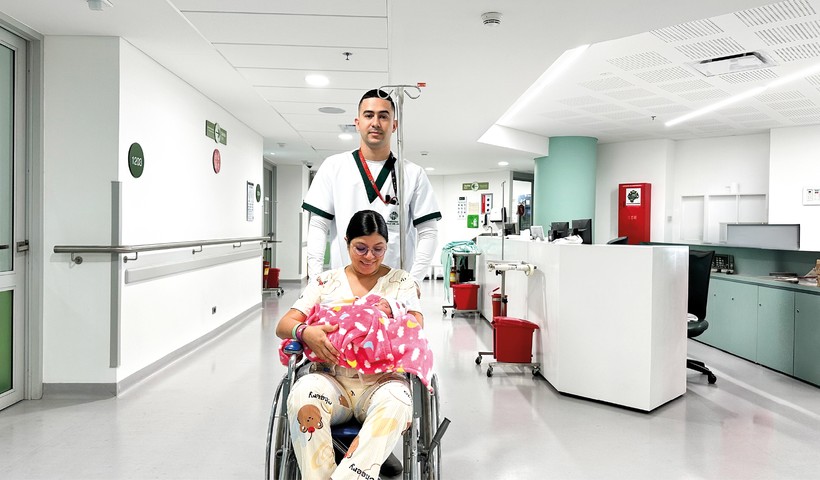
For newborn care, the primary focus is ensuring a safe and healthy transition to life outside the womb. The first days and weeks require constant attention to fundamental aspects such as hygiene, feeding, and monitoring for warning signs.
Related content:
Hygiene care and the umbilical cord
Bathing: It's not necessary to bathe your baby daily during the first few weeks; 2 or 3 times a week is sufficient, as long as you clean the diaper area well. Use lukewarm water and neutral soaps (with a balanced pH).
Ear cleaning: Gently wipe the outer part of the ears, avoiding inserting cotton swabs into the ears to remove earwax, as this can damage very delicate structures and compromise hearing.
Cleaning the nose and mouth: It is important to keep the nasal passages clear, as newborns under 6 months old cannot breathe through their mouths, only through their noses.
Cleaning your baby's genitals: Frequent cleaning of the diaper area helps keep the skin healthy. Remember to use baby-specific products when cleaning the genitals.
Umbilical cord care: Keep it clean and dry, using only water and neutral soap, not alcohol or antiseptics, and dry it very well.
Preferably perform sponge baths until the stump has fallen off, watching for signs of infection such as bad odor or redness of the surrounding skin.
Avoid using girdles, buttons, or ointments over the navel.
Diaper changing: This should be done frequently to prevent dermatitis (skin irritation from moisture and contact with feces/urine).
Skin and nail care: Skin should be kept clean and moisturized. It's important to use products specifically formulated for babies, as their skin is more delicate and could be irritated by other products.
Related content:
Baby thermoregulation (temperature control)
Newborns lose heat easily, so it is vital to keep them at an appropriate temperature.
- Opt for cotton clothing that allows perspiration.
- Avoid direct drafts and too many blankets that can cause overheating.
- El skin to skin contact With parents, it is the best tool to regulate temperature and strengthen the bond.
Related content:
Safe sleep for baby
To reduce risks and ensure safe sleep, it's important to make sure your baby always sleeps on their back on a firm surface. Additionally, the crib should be free of pillows, stuffed animals, padded bumpers, or loose blankets that could obstruct their breathing.
Warning Signs (When to seek emergency care)
It is essential that parents identify signs that require immediate medical attention:
- Fever: Temperature taken in the armpit greater than 38.0°C.
- Breathing difficulty: His ribs sink in when he breathes or you can hear whistling sounds.
- Strange coloration: Purple tint in lips or nails (cyanosis) or very yellow skin (jaundice) that extends to the legs.
- loss of appetite: The baby refuses the food or does not suck strongly.
- Persistent vomiting or absence of bowel movements and urination in 24 hours.
Other reasons for emergency room visits and information of interest:
Related content:
Is your baby going home with medication?
For newborn care, the primary focus is ensuring a safe and healthy transition to life outside the womb. The first days and weeks require constant attention to fundamental aspects such as hygiene, feeding, and monitoring for warning signs.
Related content:
Is your baby premature?
If your baby weighs less than 2500 grams or is less than 37 corrected weeks gestational age when you go home, continued specialized care and an adapted environment are necessary to complete their development outside the womb. For this purpose, it is essential that you learn the kangaroo care position.
Related content:
Benefits of the Kangaroo Position
Kangaroo Care is much more than a nurturing technique; it is an intervention that has been shown to save lives and accelerate the recovery of premature or low birth weight babies.
Skin-to-skin contact acts as a natural regulator of the baby's vital functions:
- The body heat of the mother or father is constantly transferred to the baby, keeping its body temperature stable and preventing a dangerous drop in temperature.
- Babies in the kangaroo position have more regular heart rhythms and better oxygenation, decreasing episodes of apnea (pauses in breathing).
- The kangaroo position generates a longer period of deep sleep, which is vital for the maturation of the baby's central nervous system.
- By spending less energy trying to maintain its own temperature, the baby uses those calories to grow and gain weight more quickly.
- The sound of the heartbeat, the parents' voice, and the gentle movement of the chest while breathing provide adequate stimulation for the developing brain.
Related content:
Home care for a premature baby
Upon leaving the hospital, the premature baby needs a controlled environment to avoid complications:
Because their immune system (defenses) is immature, access to visitors should be restricted and crowded places should be avoided to prevent respiratory infections such as Respiratory Syncytial Virus (RSV).
Everyone who comes into contact with the baby must wash their hands thoroughly up to the elbow.
It is essential to attend all follow-up appointments, which include eye exams (to prevent retinopathy of prematurity), cardiology and nutrition.
Warning signs (Premature babies)
In addition to the warning signs in a full-term baby, the following should be monitored in a premature infant:
- Pauses in breathing for more than 20 seconds or accompanied by a change in skin color (paleness or purple color).
- Difficulty feeding or persistent refusal to eat.
- If the baby feels cold to the touch despite being bundled up.
During your visit to the Neonatal Intensive Care Unit, it is important that you know the following information: