


What is it?
It is a discipline of Speech Therapy; whose objective is to prevent, evaluate, diagnose and rehabilitate alterations of the musculature of the orofacial system (masticatory muscles, facial expression muscles, pharynx muscles, neck muscles and soft palate muscles).
Who is involved?
This applies to all people throughout the life cycle, from birth to old age, and its causes can be very diverse. It focuses on the functioning of the stomatognathic system, which comprises the set of organs that enable us to speak, breathe, chew, swallow, and suck.

|
Fields of action |
Myofunctional therapy covers different pathologies and is associated with the treatment of atypical swallowing and related disorders.
- Orthodontic treatments are essential in cases of mouth breathing and where tongue position and speech need to be corrected. This therapy helps correct tooth position and eliminate inappropriate habits.
- Disorders of pathologies of central or peripheral neurological origin such as in cases of stroke (cerebrovascular accident), TBI (traumatic brain injury), neurodegenerative diseases such as: Parkinson, multiple sclerosis, facial paralysis and TMJ (Temporomandibular Joint) dysfunctions.
What other professionals are involved?
The work must be interdisciplinary and coordinated between professionals from different areas towards a single patient, including pediatric dentists, orthodontists, dentists (with their different specialties), otolaryngologists, pediatricians, general practitioners, physiotherapists, occupational therapists and psychologists.
Is early detection important?
Studies indicate that myofunctional therapy, or orofacial motor therapy, is effective in modifying the aforementioned disorders. Early detection of these alterations and the definition of the appropriate treatment are essential, as orofacial muscles influence craniofacial development, and the patient's age is important for the growth of these muscles.
La Fundación Valle del Lili It has the ideal staff for the management of orofacial disorders in people of all ages.
|
How is myofunctional therapy or orofacial motor skills addressed in speech therapy? |
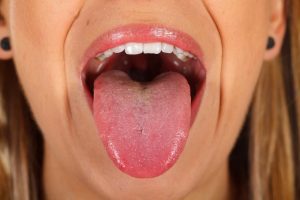
Myofunctional therapy involves the speech organs, oral structures and muscles: nose, lips, hard palate, soft palate, lingual frenulum, bone structures of the system and muscles.
On the other hand, symptoms or clinical characteristics related to orofacial functions are addressed, such as:
- Phonoarticulatory organs.
- Orofacial muscle tone.
- The posture.
- Musculoskeletal deformities.
- Sensitivity.
- The breathing.
- Language.
- Speech.
- The voice.
- The evolution of the function of feeding and swallowing.
|
|
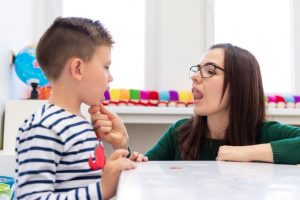
| The treatment consists of: |
- Perform muscle exercises on the speech organs to adjust tone and mobility.
- Apply training on the proper positioning of the lips and tongue.
- Learn appropriate patterns of breathing, swallowing, chewing, and phonation, according to the disorder.
- Stabilization and automation of patterns.
|
More information here: Speech Therapy Service |