


Breast cancer decision-making support
I want to know about breast cancer
What is breast cancer?
Breast cancer is a disease in which breast cells begin to grow abnormally and uncontrollably. Instead of following a normal growth pattern, these cells multiply rapidly and form a tumor (a lump in the breast). This disease can invade nearby tissues or spread to other parts of the body (metastasis), primarily affecting organs such as the lungs, liver, and bones, among others.
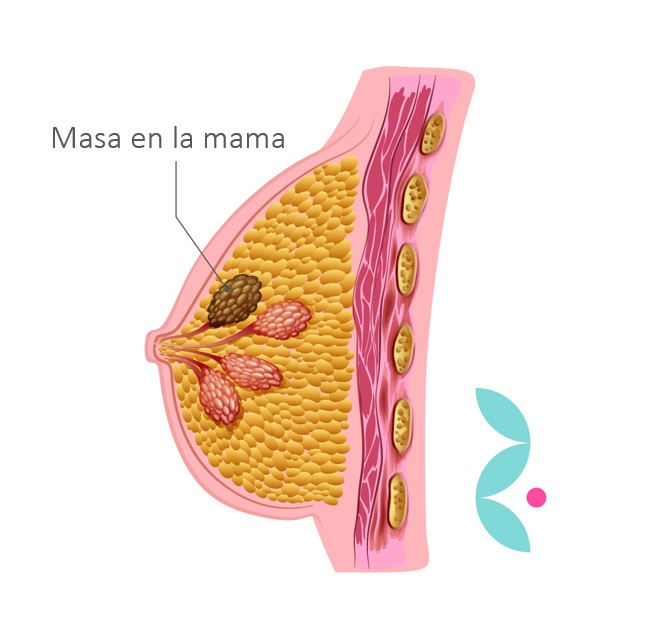
What types of breast cancer exist?
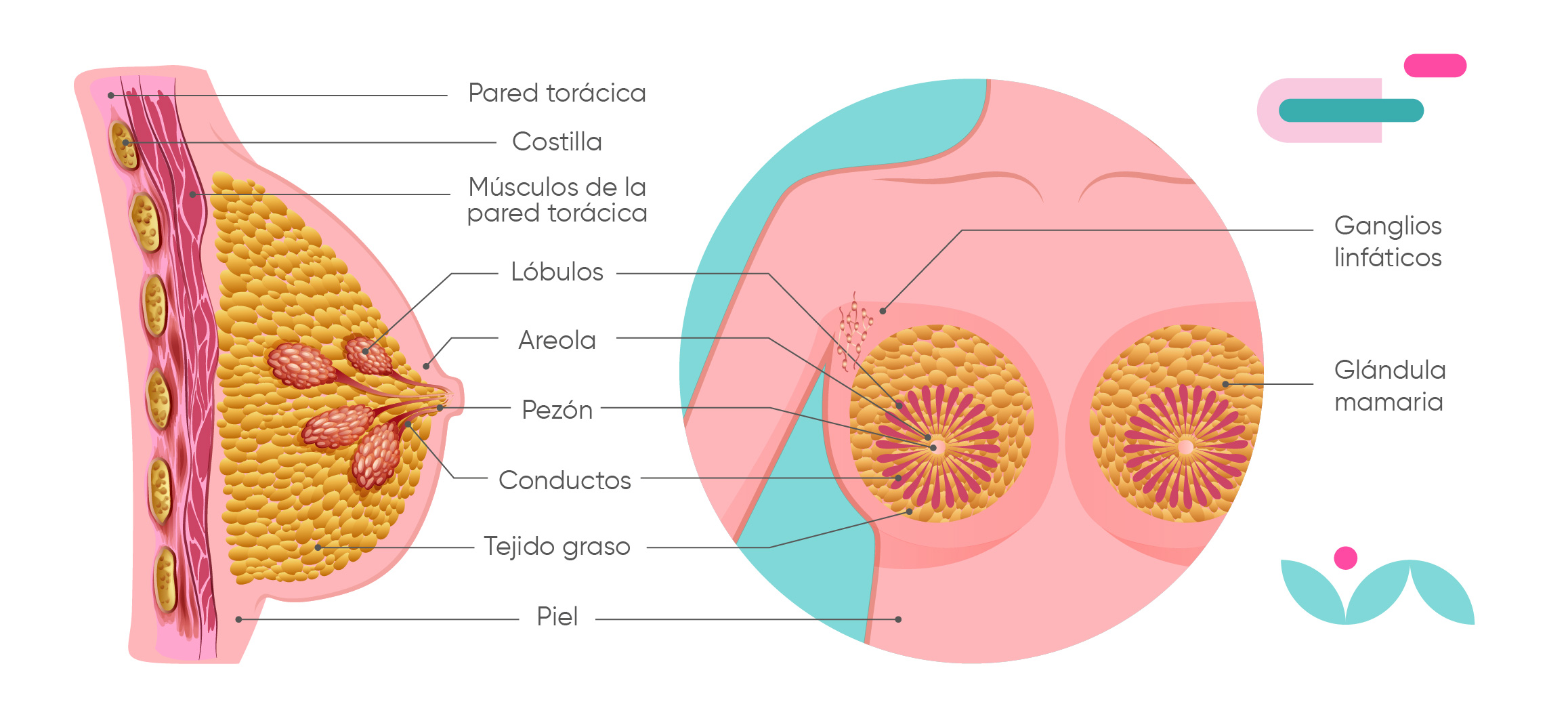
There are mainly 2 types of breast cancer, according to the affected cells where the cancer originates 12 :
- Ductal carcinoma: Milk duct cells. It is the most common type (85%).
- Lobular carcinoma: cells of the mammary lobules (10 to 15%).
Based on this, breast cancer can be 12-13 :
1. Non-invasive: This is the multiplication of cancer cells without invasion of other breast tissues, meaning that the disease is in one place or localized, and has not spread to other parts of the body.
2. Invasive: This refers to the multiplication of cancer cells outside the initial site, spreading to other breast tissues, such as fatty tissue. This increases the likelihood that cancer cells will travel through the bloodstream and invade other organs of the body.
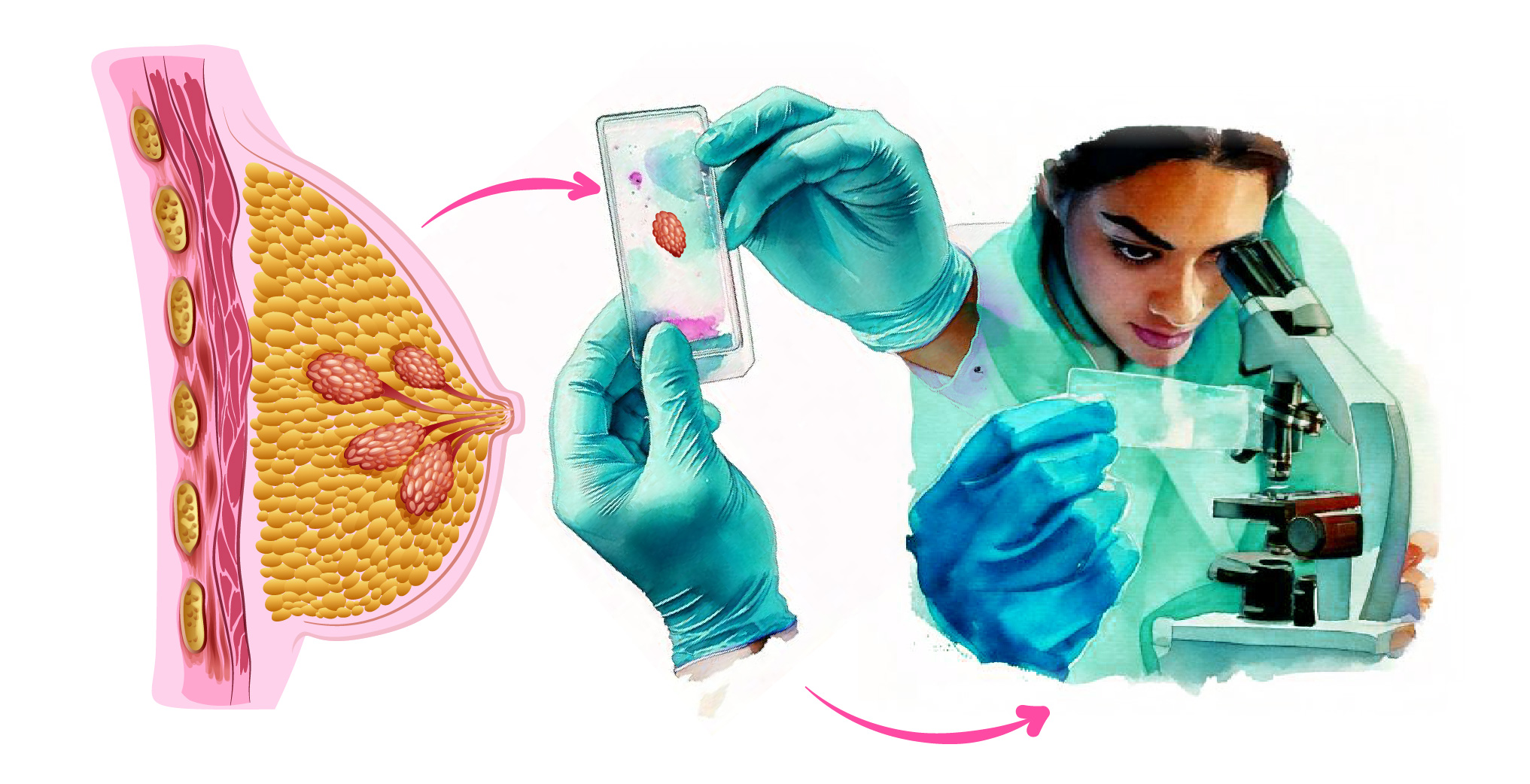
The type of cancer can be defined from a biopsy , an examination in which a sample of breast tissue is removed and processed to identify what is causing the uncontrolled growth of malignant cells 1-9-28.
This process could yield the following results:
1. Hormone receptor-positive (+): This refers to the presence of hormone receptors, which are proteins found on tumor cells that bind to specific hormones (such as estrogen, progesterone, or both), thus promoting tumor growth. These tumors represent 70% of breast tumors.
2. HER2 positive (+) : This indicates the presence of a protein that promotes the uncontrolled growth of breast cells. It represents 15 to 20% of breast tumors.
3. Triple negative (-): This is the absence of hormone receptors in tumor cells and the absence of the HER2 protein. They represent 15% of breast tumors.
4. Triple positive (+): This is the presence of hormone receptors and the presence of HER2. They represent 10% of breast tumors.
Please be aware that with this result, the treating medical staff can offer you a specific and appropriate treatment.
What are the key statistics you should know?
In the world:
- It is the most common tumor in women, with 1.68 million new cases diagnosed each year.2.

- Approximately 50 million people are living with cancer. Of these, 15% have breast cancer.2.
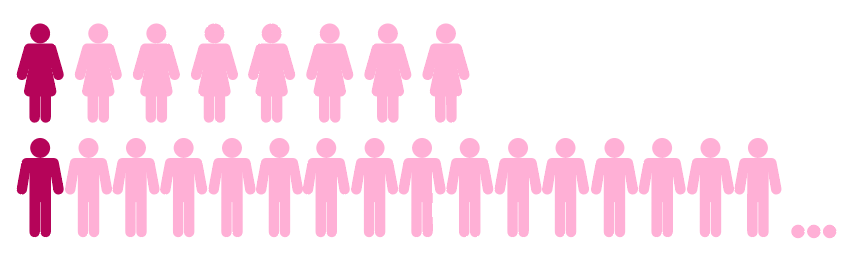
- It is estimated that 1 in 8 women will develop breast cancer, and likewise, 1 in 726 men.15.
- The survival rate, that is, the percentage of patients who survive breast cancer 5 years after being diagnosed, depends on the stage of the disease when it is detected.
The stages of the disease are 15 :
-
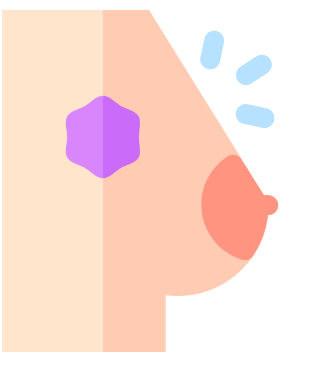
- Local: malignant cells are found only in the breast, and it represents the best survival rate at 98%.
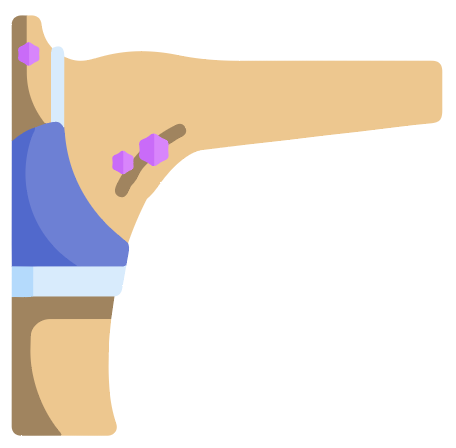
- RegionalThe malignant cells have spread to the nearest lymph nodes (located in the armpit and neck). It has a survival rate of 86%.
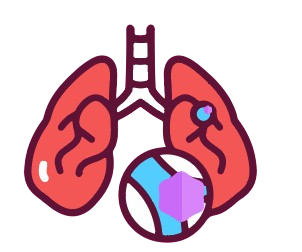
- OnlineThe tumor has spread to other organs, primarily the lungs, liver, and bones. It has a survival rate of 31%.
In colombia:

- It ranks first in both new cases (incidence) and mortality; where 11 out of every 100.000 women die each year from this disease2.
- The 5-year survival rate for breast cancer is 89.2%, meaning that out of 100 women with breast cancer, 89 will be alive 5 years after diagnosis, and 11 will have died.12.
What are the symptoms or how does breast cancer manifest itself?
Breast cancer usually does not present symptoms, but some changes in the breast can be observed that indicate the presence of the disease, such as 4 :
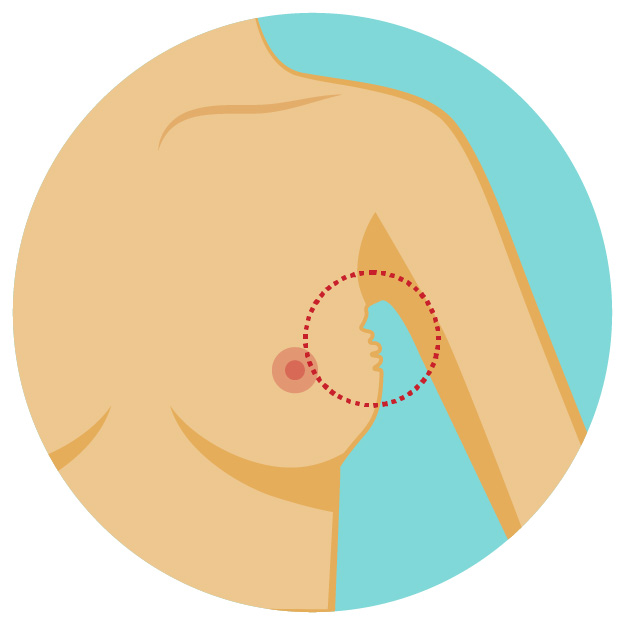
Sensation of a mass or lump in the breast or armpit.
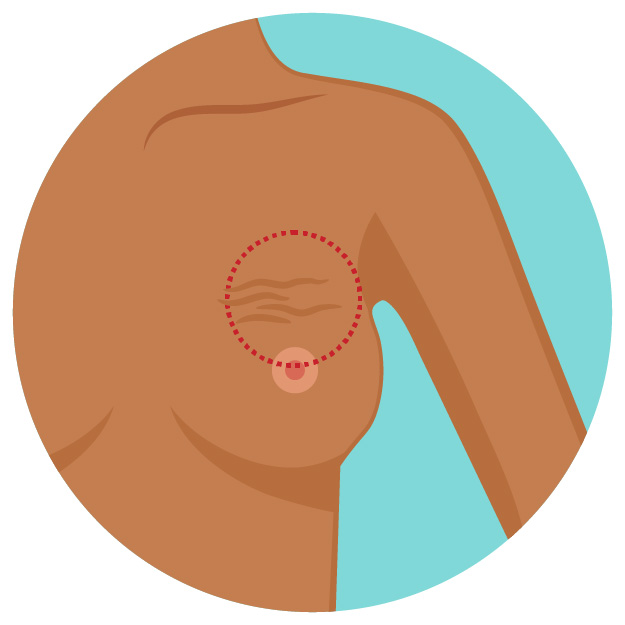
Wrinkled or dimpled skin; resembling the peel of an orange.
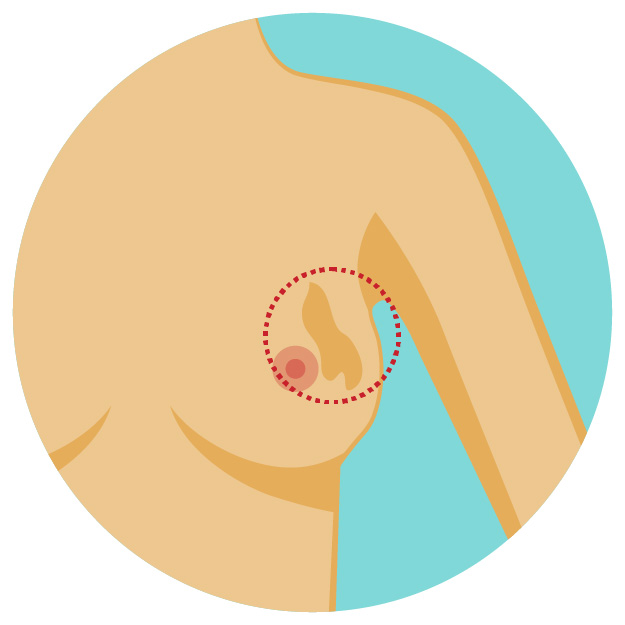
Sunken area of skin.
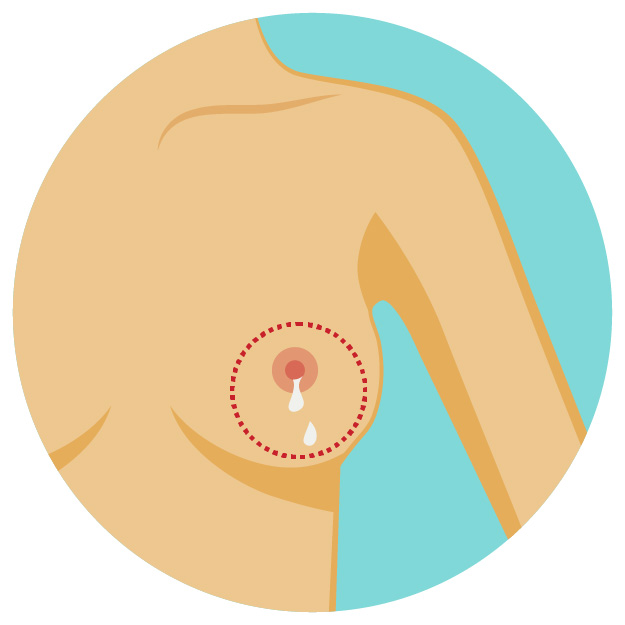
Fluid coming out of the nipple.
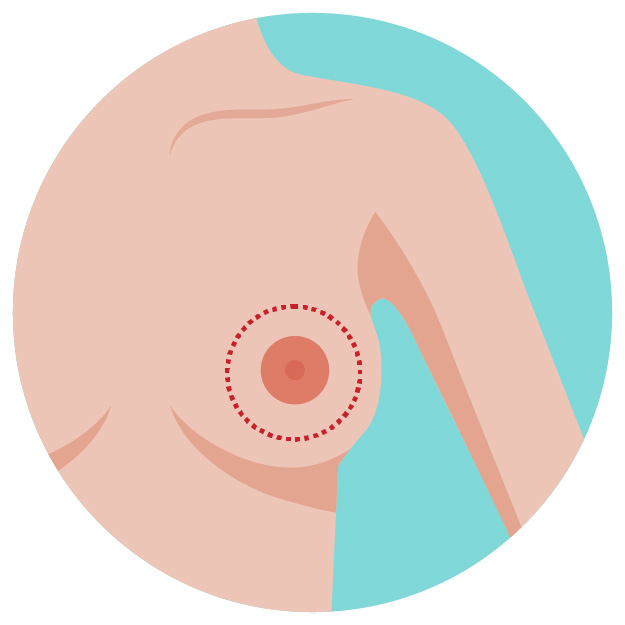
Change in the color of the areola or breast.
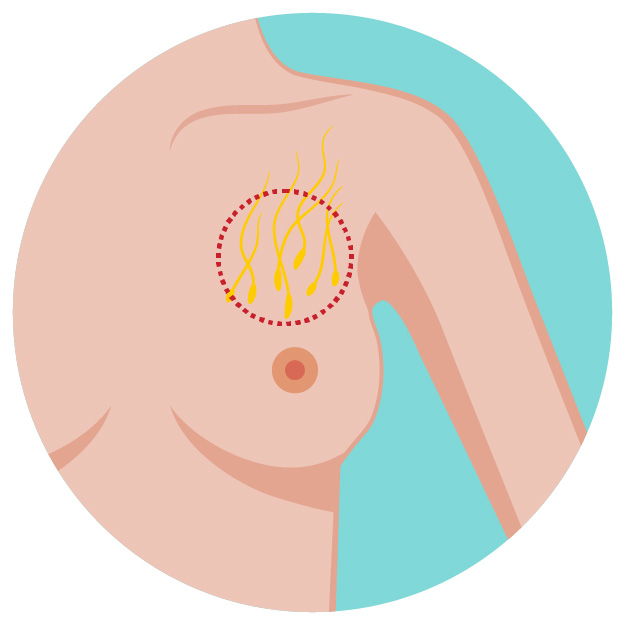
Edema or swelling of the arm on the affected breast.
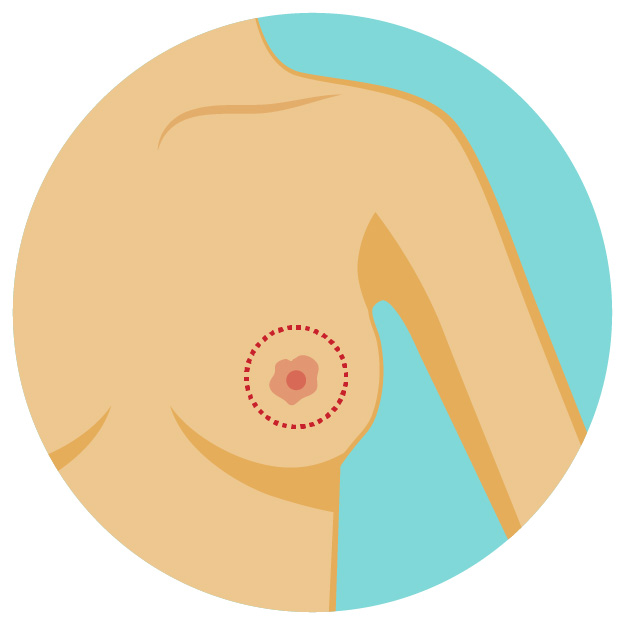
Nipple retraction or changes in position.
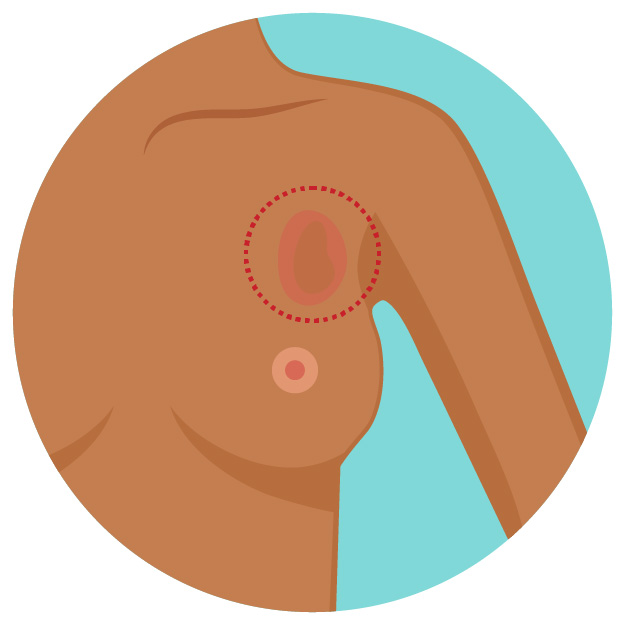
Wound(s) on the skin of the affected breast.
Why did I get breast cancer and what are the risk factors?
In most cases, the exact cause of the disease is unknown; only 5 to 10% of cases are due to hereditary factors. However, there are some conditions that likely influence the development of the disease, such as the following risk factors : 16
Table 1. Risk factors.
|
Modifiable (factors that can be changed) |
Not modifiable (factors that cannot be changed) |
|---|---|
| Sedentary lifestyle: little physical activity or exercise. | Known genetic alterations. |
| Overweight and obesity. | Having your first period before the age of 10. |
| Use of hormonal medications for symptom control during and after menopause (Hormone replacement therapy). | Menopause after 55 years. |
| Smoking (tobacco or cigarette use). | Having a family member who has suffered from breast cancer. |
| Excessive alcohol consumption. | Breast conditions that may become cancerous. |
| Having your first child after the age of 40. | Having had cancer. |
| Excessive exposure to radiation (x-rays, radiotherapy, gamma scan) to the chest (thorax) starting at age 10. The risk depends on the amount of radiation received. |
How is breast cancer diagnosed or identified?
The disease is suspected through physical examination, laboratory studies, and diagnostic imaging tests, such as:
- Mammography
- Breast ultrasound or ultrasonography
- Nuclear magnetic resonance
These tests are performed depending on each patient's health condition and the decision made together with their treating physician.
The diagnosis is confirmed by biopsy . This study uses ultrasound to identify the location of the mass, and then the breast is punctured with a needle to extract a sample or portion of the mass.
The results of these tests are classified from normal to malignant through a system called BI-RADS ( see BI-RADS classification ).
Table 2. Description of diagnostic imaging examinations.
| Examen | Description | Image |
|---|---|---|
| Mammography |
|
 |
| Ultrasound or ultrasonography |
|
 |
| Nuclear magnetic resonance |
|
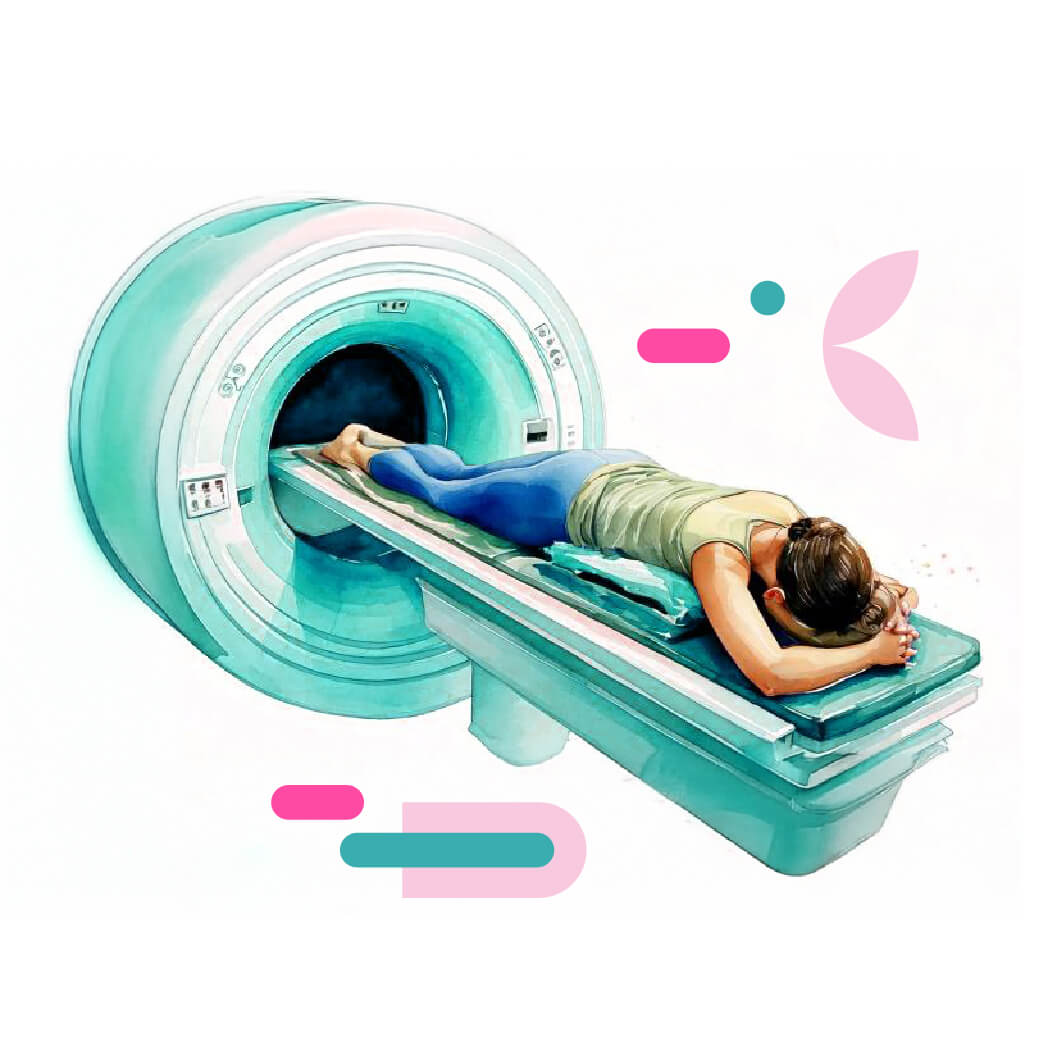 |
What is the BI-RADS classification?
It is an international classification system used in breast imaging studies (mammography, ultrasound, or MRI) to categorize breast lesions according to risk. It helps guide diagnosis and monitoring of disease risk and is numbered from 0 to 6.
Table 3. BI-RADS Classification
| BI-RADS 0 | Inconclusive exam that requires further study for comparison. |
| BI-RADS 1 | Normal or negative test for malignancy. |
| BI-RADS 2 | Findings of lesions of benign origin. Follow-up at 12 months. |
| BI-RADS 3 | Findings of lesions probably of benign origin. Follow-up at 6 months. |
| BI-RADS 4 | Findings with suspicious lesions, which in some cases require confirmation by biopsy.
|
| BI-RADS 5 | Highly suggestive or highly probable test for malignancy that requires confirmation by biopsy. |
| BI-RADS 6 | Examination with lesion or malignant mass confirmed by biopsy. |
Please note that during your consultation with your treating physician you will be able to clarify any doubts about your specific result and, together with him, you will decide whether to perform further breast imaging studies, according to your case.
What are extension studies and what are they?
To determine if malignant cells have spread to other organs, such as the lungs, liver, and bones, staging studies are performed , which are:
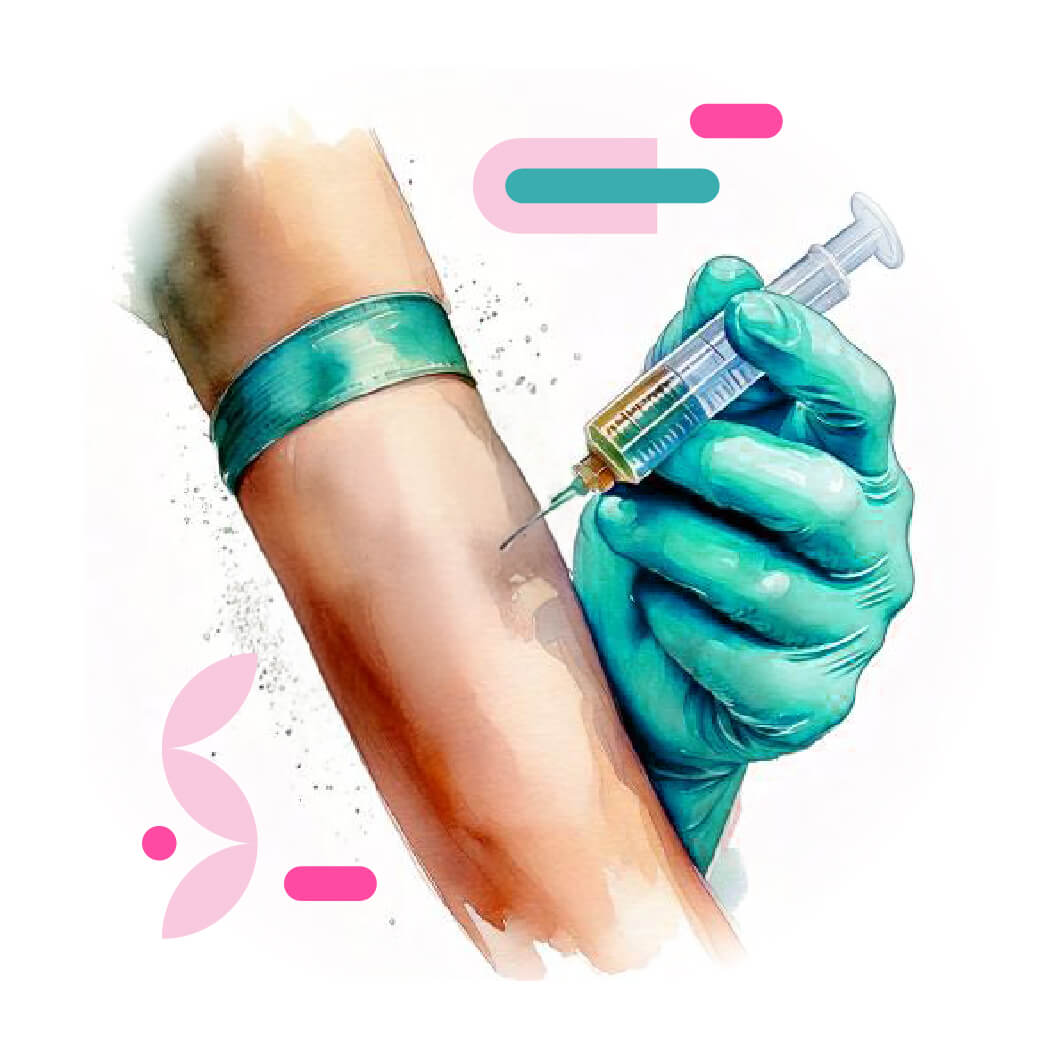
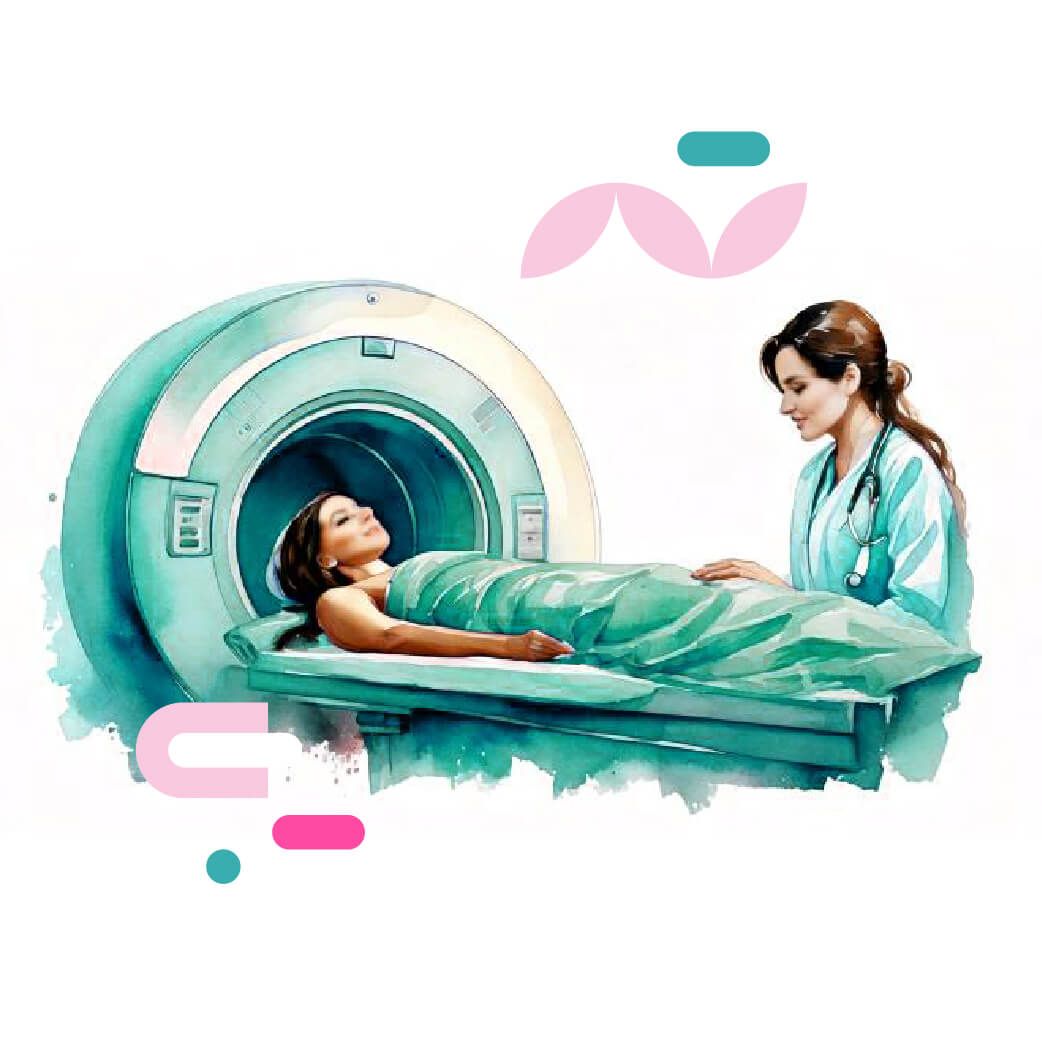
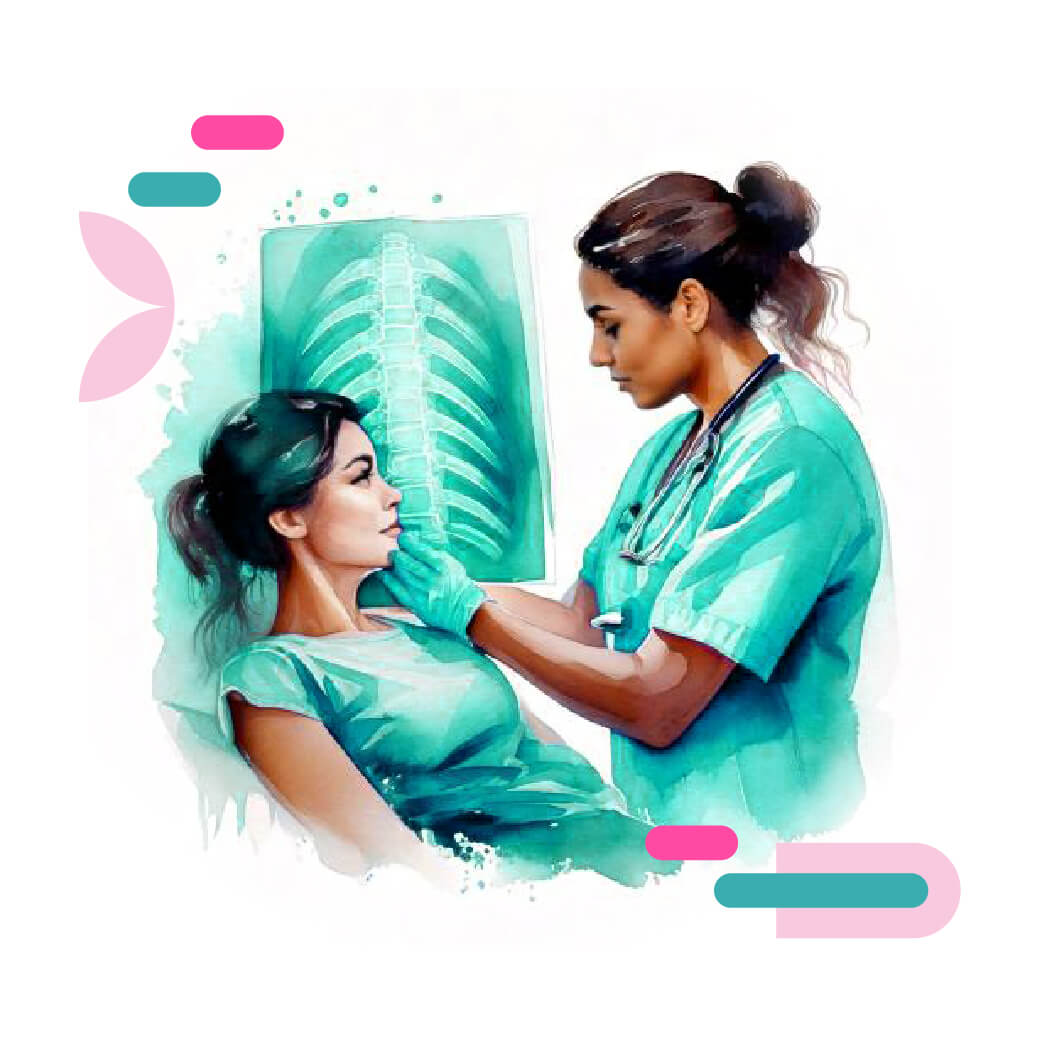
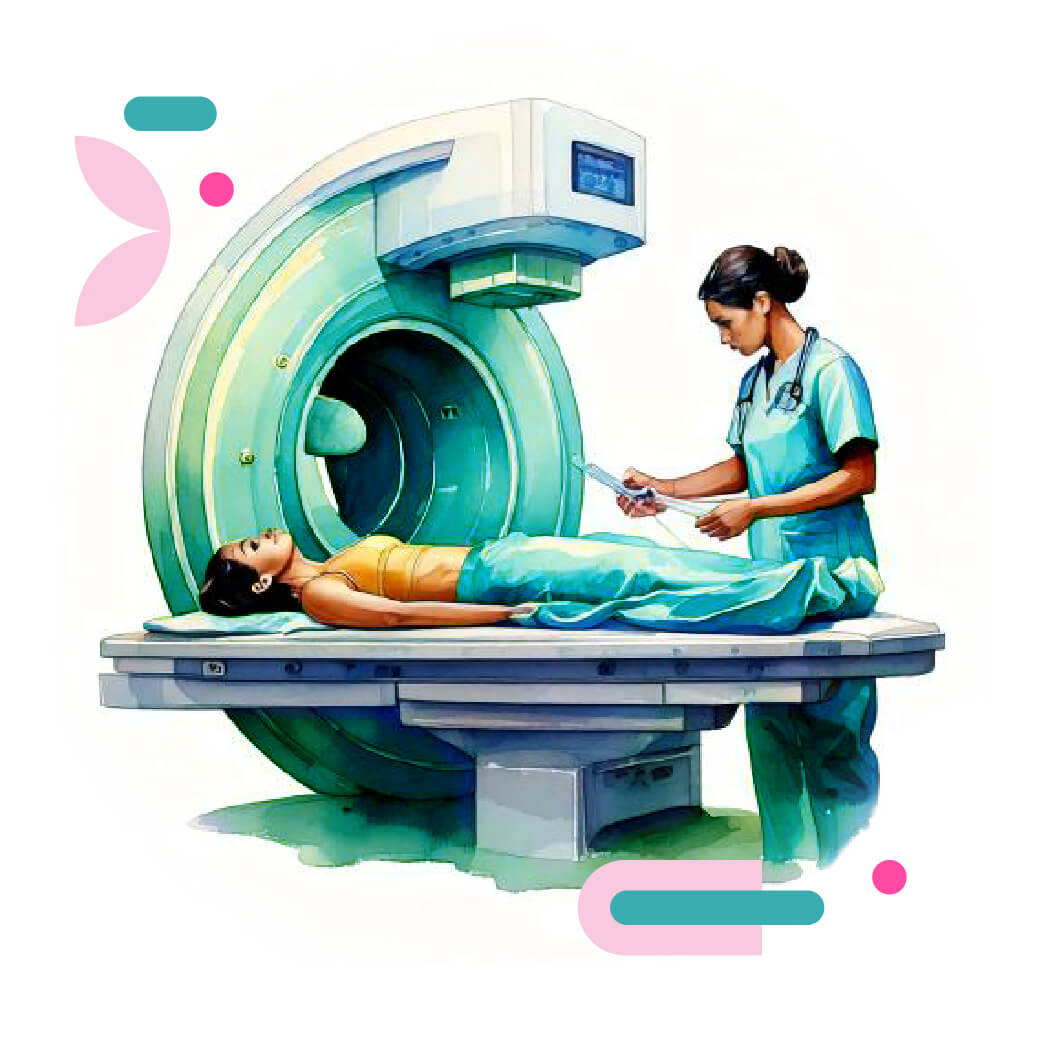
The performance of these tests depends on the risk factors of each patient and the evaluation of the treating physician.
My treatment options
What treatment options are available?
The goal of treating breast cancer is to remove the tumor or masses from the breast or armpit, and to prevent them from recurring in the same or other locations.
For this, the following treatment options exist, such as 1 :
- Surgery
- Chemotherapy
- Radiotherapy
- Hormonal therapy
- Complementary treatments
The appropriate treatment is defined in conjunction with your treating physician, according to your needs and conditions.
Surgery
The surgical options are:
- Breast cancer surgery
- Reconstructive surgery
1. Breast cancer surgery
It involves removing breast tissue, partially or completely, to prevent the disease from spreading. This surgery could be breast-conserving (quadrantectomy) or mastectomy.
Breast-conserving surgery or quadrantectomy involves removing the tumor and the area around the affected or compromised tissue, while preserving the rest of the breast tissue.
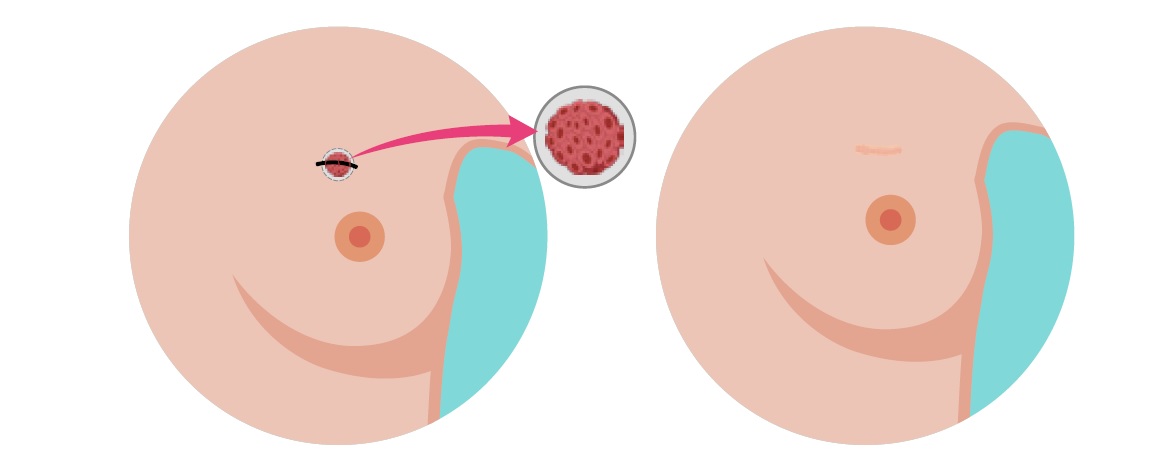
A mastectomy involves removing the entire mammary gland. Sometimes it's possible to preserve the skin and areola, depending on the characteristics of the tumor. This procedure is usually accompanied by other treatments, which will be determined by your doctor.
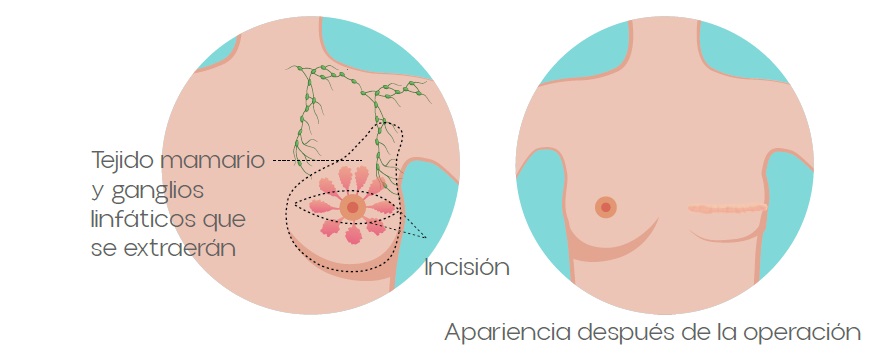
These procedures are performed under general anesthesia. They usually do not require hospitalization; however, please note that your discharge depends on your overall health, which will be assessed by your attending physician.
It is important to know that the choice of surgery depends on your type of cancer and other particular situations , so the best decision for your health is evaluated and defined together with your treating physician, taking into account your preferences and life plans 1.
Armpit surgery
There is a surgery in the armpits , which is carried out in order to remove cancerous cells located in the lymph nodes of the armpits and thus prevent it from spreading to other parts of the body.
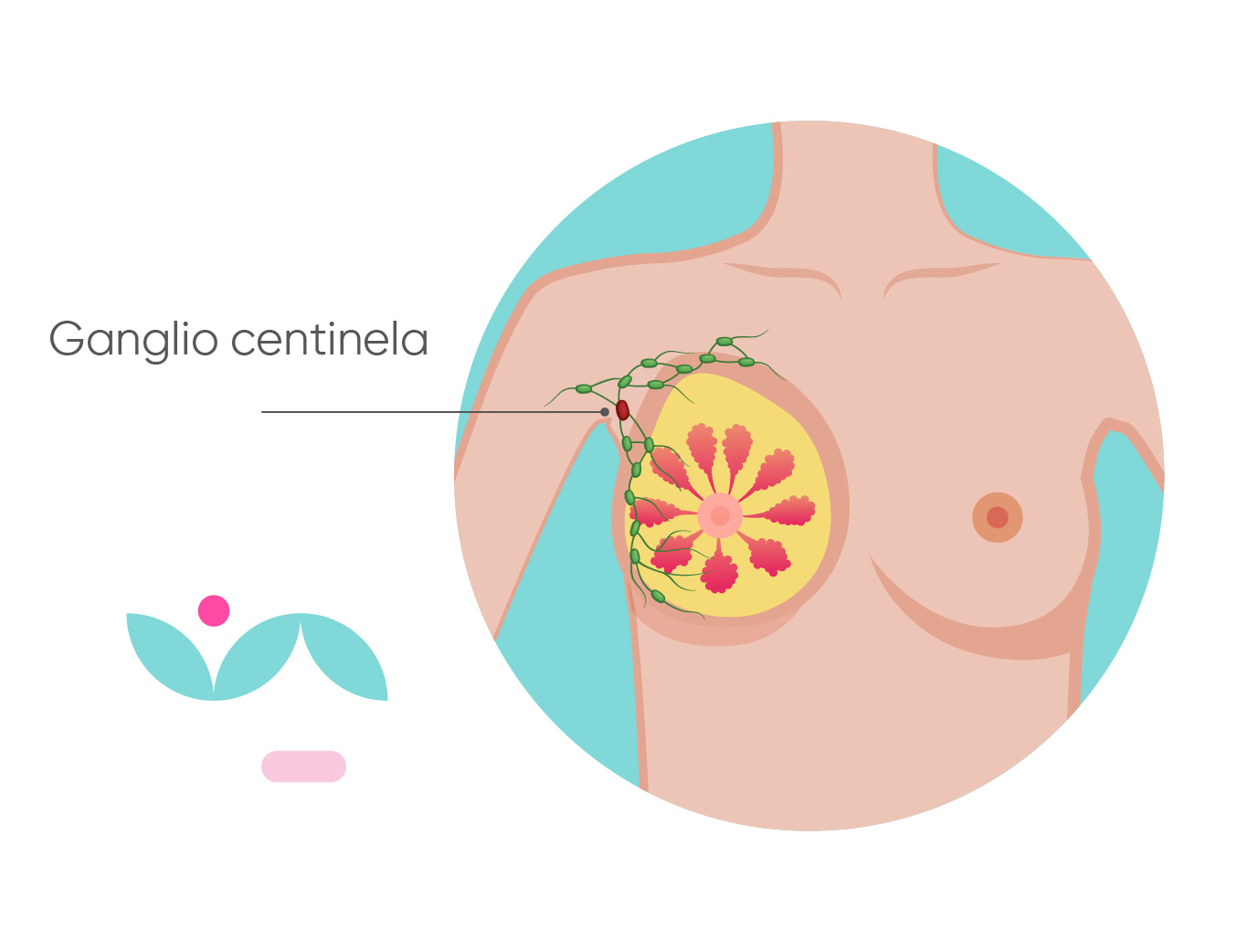
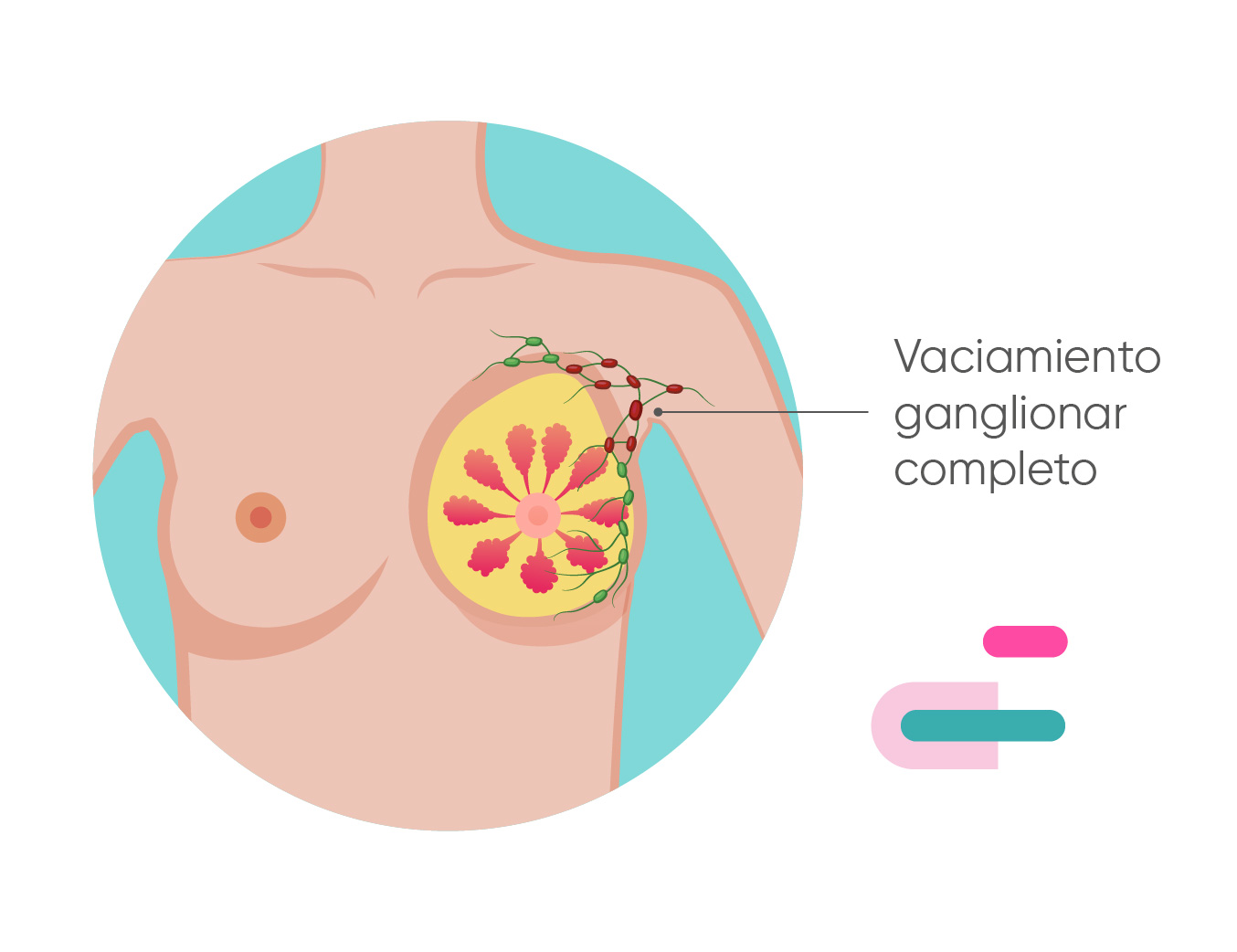
Lymph nodes are structures that form part of the body's defense system and are responsible for eliminating harmful substances and fighting disease. These lymph nodes represent one of the main sites through which cancer cells can spread to other organs and tissues, affecting other parts of the body. In breast cancer, it is important to study the sentinel lymph node, that is, the one closest to the tumor, to constantly evaluate whether or not there is involvement of the lymph nodes in the armpits.
The decision to perform armpit surgery depends on your specific type of cancer. It is usually performed during the same procedure as breast cancer surgery and consists of :
- The resection of the sentinel node, in which the lymph node closest to the tumor is removed.
- El complete lymph node dissection, in which all the lymph nodes in the armpit are removed to prevent the disease from spreading to other parts of the body.
 After the procedure, there may be some changes in your body, which are infrequent, such as swelling of the arm where the surgery was performed, stiffness or hardness of the armpit and/or infection of the wound.
Your doctor will be attentive to your health status; if you experience any changes in your body, consult him, and he will help you improve your health condition.
Please note that the procedures to be performed depend on your particular case; the best treatment option will be decided in conjunction with your doctor.
2. Reconstructive surgery
It is a procedure performed after a mastectomy or quadrantectomy, with the aim of reconstructing the shape and volume of the breast. This surgery is not associated with reducing the risk of the disease recurring. However, it positively influences the patient's quality of life . <sup>1</sup>
It is important to know the breast reconstruction alternatives, which will be decided in conjunction with your treating physician according to your personal preferences and your health condition (how advanced the disease is, whether it is localized or has spread to other organs; other associated diseases such as obesity and diabetes; among others) 1-24.
There are several types of reconstructive surgery 24 :
Reconstruction with implants
This surgery is performed to reconstruct the breast using breast implants (prostheses). It can be done during or after mastectomy surgery, depending on the patient's particular case.
This surgery represents a benefit to the patient's quality of life, due to the perception of a normal appearance of the breast.
It is important to know that over time another surgery may be required to replace them, as they may break and cause inflammation, pain, and infections.
Breast reconstruction using own tissue
This surgery is performed to reconstruct the breast using tissues from other parts of the body, such as the abdomen, back, thighs, and buttocks.
In general, this surgery requires more recovery time than surgery with implants, several scars may remain and breast sensitivity may be lost; which may or may not be recovered over time.
Combination of the two previous options
A procedure can also be performed that combines the two surgeries described above, that is, using one's own tissue and also placing implants.
These surgeries require special care, which you should discuss with your healthcare provider to ensure a speedy recovery. Also, please follow the post-operative care recommendations.
Please note the following recommendations after your breast cancer surgery :
- You may feel drowsy for a few hours due to the anesthesia; rest and gradually resume your normal activities as directed by your surgeon.
- You should start moving your arms from the immediate post-operative period.
- Do not perform physical activities that require exertion for three (3) weeks.
- You may experience occasional nausea or vomiting, so you should start your diet with something light (for example: mashed potatoes, herbal tea, gelatin) and gradually return to your normal diet.
- If you have a history of diabetes or hypertension, continue with your usual diet.
- Gradually return to your normal diet.
- Avoid smoking and consuming alcohol until your doctor tells you to.
- Take a bath the day after your surgery, avoiding getting the bandage wet until instructed by your doctor.
- Do not remove the micropore tape covering the wound; the surgeon will do so during your follow-up appointment.
- Do not apply anything to the surgical wound.
- Place ice wrapped in a cloth on the surgical area for the first three (3) days.
- Avoid sleeping on the operated side until your doctor gives you the go-ahead.
- Take very good care of your skin.
- If you have had an axillary lymph node dissection, avoid: applying irritating creams that may damage the skin, using objects that are too tight (rings, bracelets, watches, etc.), taking your blood pressure, heat on your arm (sun, oven, iron, hot water, etc.).
- Remember to wear a bra 24 hours a day for eight (8) days.
- The healthcare staff will give you the necessary instructions for managing the drainage.
- You should take the medication as prescribed by your doctor.
- If you take essential medications to control any illness, you should restart them as prescribed by your doctor.
Remember to attend all follow-up appointments after your surgery. Address all your questions only to the healthcare professionals treating you.
What if I decide not to have surgery?
Surgery is one of the most important treatments to prevent the disease from recurring (reducing recurrence) and to prolong the person's life (survival). However, after learning about the procedures, with their benefits and risks, the patient may choose not to have surgery, as part of their right to decide, considering that this decision may affect their future health and life.
Allowing the disease to run its natural course without surgical intervention will facilitate its spread to other organs and tissues, worsening the person's condition more rapidly and eventually leading to deterioration and damage to multiple organs, which can result in death.
Chemotherapy
This involves the use of medications capable of destroying or halting the growth of cancer cells. These medications affect both cancerous and healthy cells, and because they travel through the bloodstream, they reach all parts of the body, producing various side effects. This treatment can be administered before (neoadjuvant) or after surgery (adjuvant), depending on the stage of the disease . <sup>6</sup>
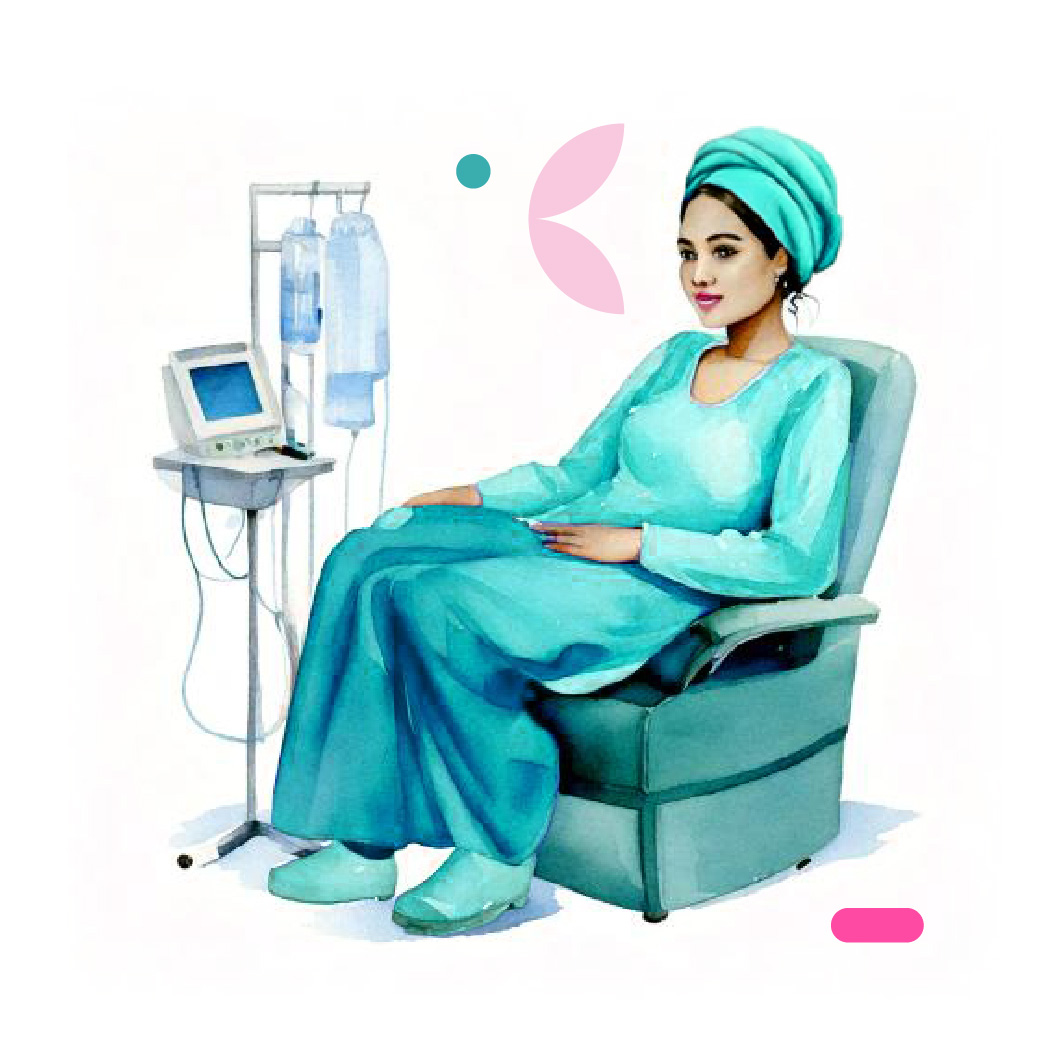
The unwanted or side effects of chemotherapy can range from mild (the most common) to moderate and severe. You should discuss these with your oncologist, as each medication can have different associated adverse effects. Generally, the six most common are :

joint pain

Nausea and vomiting

Hair loss
Tiredness

Diarrhea
Gastritis

Anemia
(decrease in red blood cells)
neutropenia
(decreased defenses)

Thrombocytopenia
(decreased platelets)

Amenorrhea
(absence of menstrual flow)
Allergic reactions
Usually, the adverse effects disappear when the therapy is finished, with the recovery of healthy blood cells.
Chemotherapy drugs are administered depending on the type of treatment; there are different routes of administration:
- Orally: The medication is administered by mouth.
- Subcutaneous route: It is injected through a small needle into the superficial layers of the skin.
- Intramuscular: It is injected through a longer needle directly into the muscle.
- Intravenous: The medication is administered directly into the bloodstream, through a vein, using a small, flexible tube called a catheter, which can be placed in different parts of the body depending on the type of medication, the patient's physical and clinical condition, the duration of their treatment, and other factors.
Please keep the following recommendations in mind during chemotherapy treatment.31:
- Address all your questions only to the healthcare professionals treating you. Every person is different, therefore their treatments are strictly individualized.
- Report any side effects you experience during follow-up appointments with healthcare staff; these can be managed to improve your quality of life.
- Consult your treating physician regarding: travel plans, disabilities, dental procedures, complementary treatments, vaccines, the possibility of working, driving, participating in certain sports, and pregnancies.
- If possible, have a companion who is able to assist you if needed.
- Avoid activities that involve a risk of falls or blows.
- Only take medications prescribed by your doctor and inform them if you are taking multivitamin, herbal, or homeopathic supplements. These may interfere with your treatment.
- If you feel distress, persistent sadness, or worry, inform the health staff so they can provide you with appropriate care.
Cancer treatments often affect the immune system, so it's necessary to take steps to prevent infections:
- Wash your fruits and vegetables properly.
- Do not consume undercooked or raw food.
- Wash your hands frequently.
- Daily body hygiene.
- Oral hygiene after each meal, using a soft bristle brush, alcohol-free mouthwash, and dental floss.
- Avoid contact with people who have flu-like symptoms, skin lesions, mouth sores, or diarrhea.
- Try to avoid crowded places: churches, shopping malls, stadiums, movie theaters, or parks. If you must go out, wear a face mask.
- Stay away from construction areas, unpaved roads, or dusty places. Also, avoid stagnant water, swimming pools, or lakes.
- Pets should be kept clean and up-to-date on their vaccinations. Wash your hands after petting them. Avoid contact with birds, as they can carry germs associated with serious infections.
- Use gloves and a face mask when handling cleaning products for household chores.
- Avoid sexual activity during the days you apply the medication. Use barrier methods (condoms) as a precaution against infection.
- Avoid having plants or flowers inside the room, as well as items that can accumulate dust.
- Keep your nails short, preferably filed. Disinfect your tools regularly and make sure they are for your personal use only.
What happens if I decide not to have chemotherapy?
The patient may choose not to undergo chemotherapy as part of their right to decide about themselves, bearing in mind that this decision may affect their future health and life.
If chemotherapy treatment is not performed, there is a risk that the disease will reappear (recurrence), and if the patient has a history of cancer, this risk increases.
Allowing the disease to run its natural course without intervention will facilitate its spread to other organs and tissues, worsening the person's condition more rapidly and eventually leading to deterioration and damage to multiple organs, which can result in death.
Radiotherapy
It is a treatment that uses high-energy radiation to destroy or stop the growth of cancer cells in a specific area of the body, protecting healthy tissue . Our institution has high-quality techniques and equipment at your service.
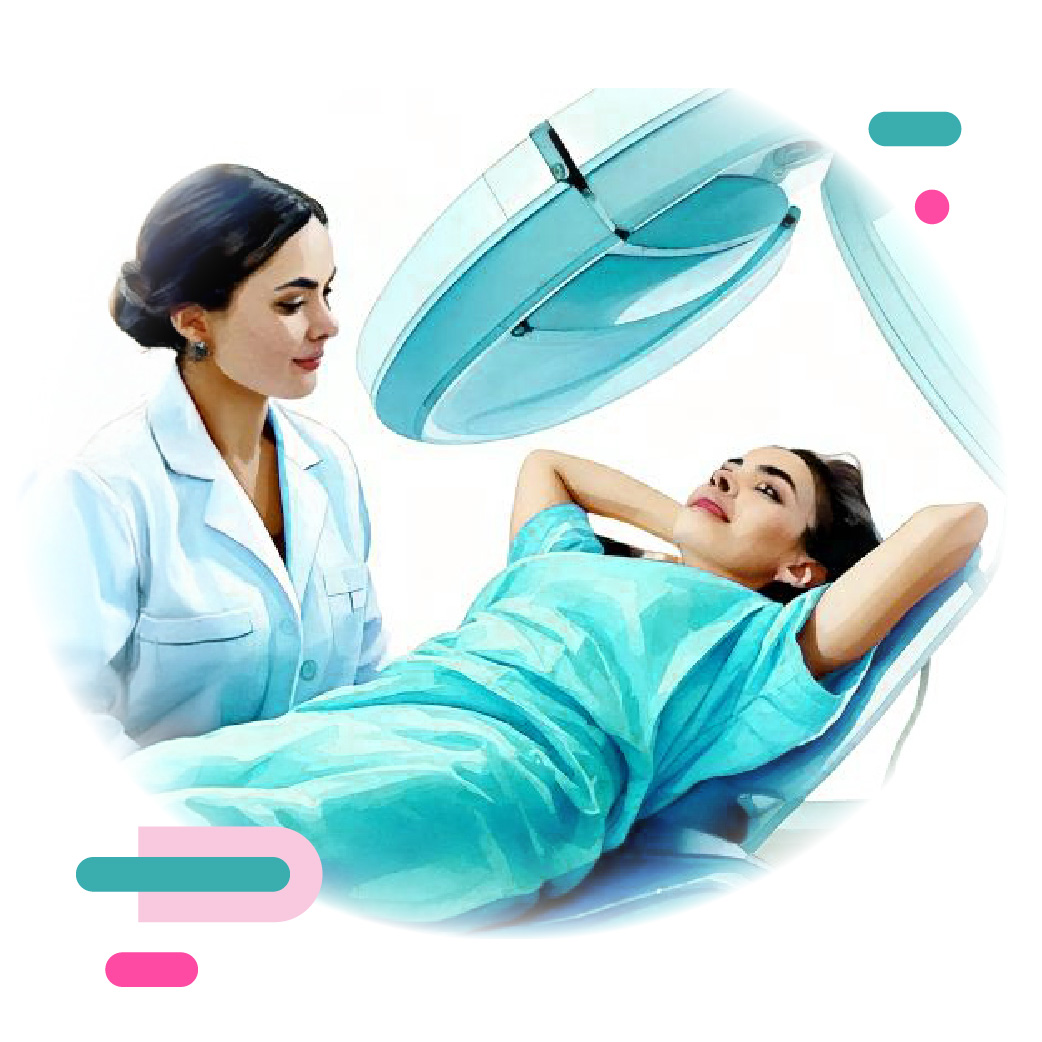
Radiation therapy can be administered in two main ways:
- External: Through a device in which the patient is positioned, a beam of radiation is emitted towards the specific location where the cancerous cells are found.
- Internal or brachytherapy: It involves placing radiation sources inside or near the tumor, through catheters (small flexible tubes) or other instruments, to deliver radiation close to and precisely destroy the cells.
The adverse effects of radiation therapy can range from mild (the most common) to moderate or severe. It is important to inform the treating medical staff about any such effects so they can consider measures to mitigate them.
The main adverse effects generally include:
- Redness and swelling of the breast skin.
- Dry skin.
- Small wounds on the skin
- Darkening or changes in the color of the skin or the area where the treatment was applied
Please note the following recommendations during radiotherapy treatment 31 :
- Monitor your skin daily and avoid rubbing or scratching the area.
- Bathe daily with neutral soaps, warm or lukewarm water and dry with gentle touches.
- Avoid sun exposure on the treated area for one year. Use sunscreen, hats or caps, long-sleeved shirts, and an umbrella.
- If you experience any skin changes such as burning, itching, pain, or discoloration, do not use any products that have not been prescribed by your doctor. This could worsen your skin condition.
- Do not use petroleum jelly, petroleum products, metals, alcohols, or other natural remedies.
- During treatment, do not use lotions, creams, or deodorants.
- After radiotherapy, moisturize your skin with the indicated creams.
- Wear loose clothing, preferably cotton.
- Stay constantly hydrated with water.
- Avoid pregnancy before and during radiotherapy, given the possibility of irreparable damage to the fetus or embryo.7.
What happens if I decide not to have radiotherapy?
The patient may choose not to undergo radiotherapy as part of their right to decide about themselves, bearing in mind that this decision may affect their future health and life.
If radiotherapy treatment is not performed, there is a risk that the disease will reappear (recurrence).
If the natural course of the disease continues without intervention, it will be easier for it to spread to other organs and tissues, worsening the person's condition more rapidly and eventually causing deterioration and damage to multiple organs, which can lead to death.
Hormonal therapy
Hormone therapy is a treatment for hormone-sensitive breast cancers, meaning it is indicated for hormone receptor-positive breast cancers, which account for 70% of breast cancers diagnosed worldwide. This therapy is administered to all pre- and post-menopausal patients, regardless of whether they are receiving chemotherapy or targeted therapy . <sup> 8 </sup>
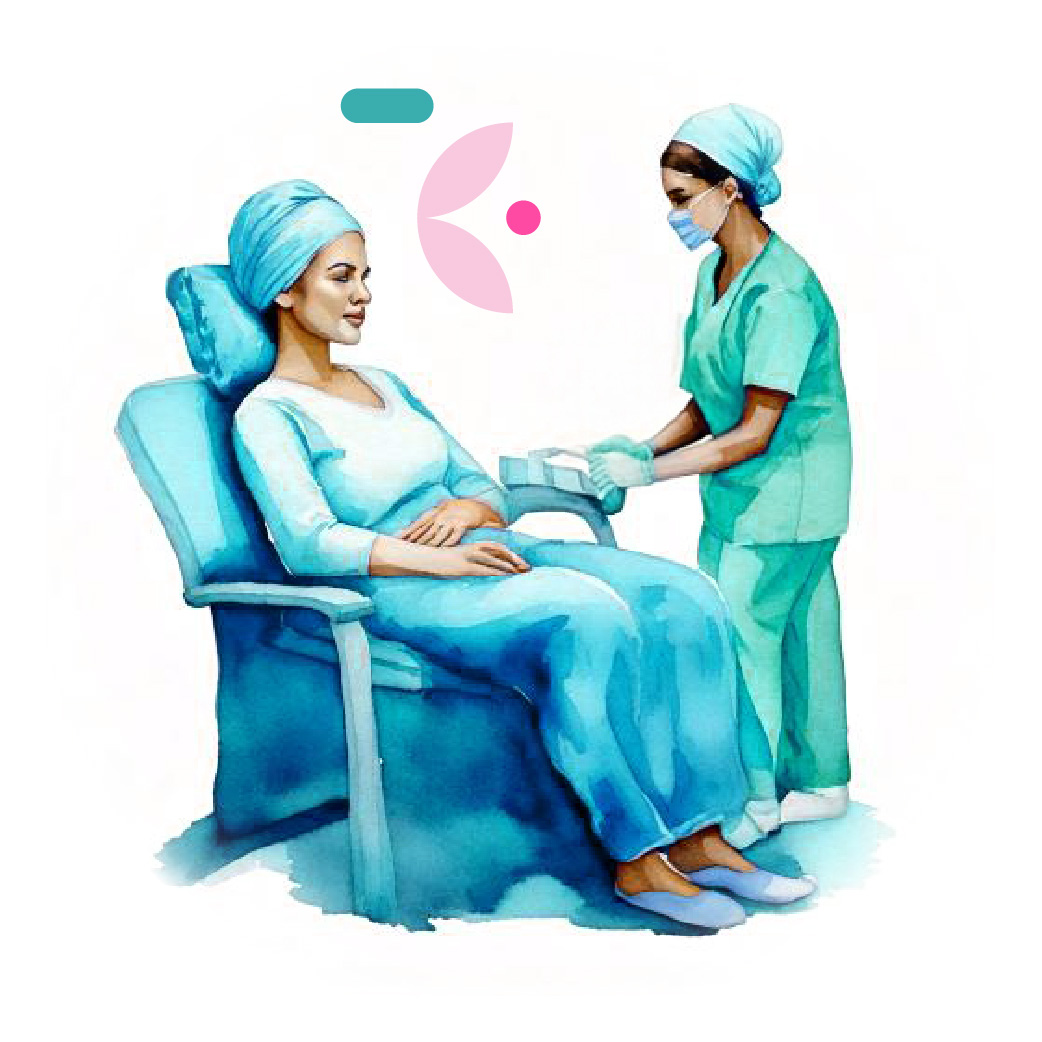
Hormone therapy reduces the possibility of the disease recurring by 5 to 10 years 8.
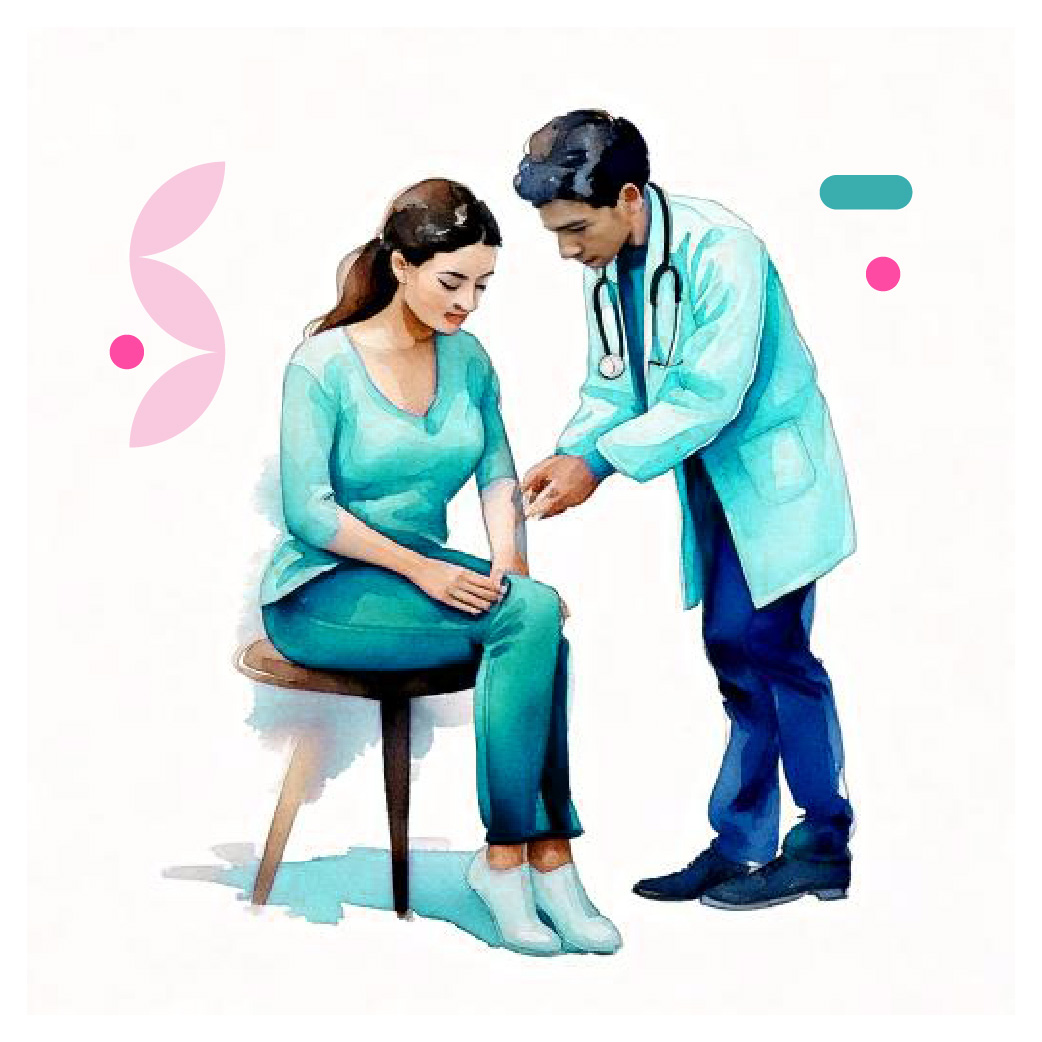
These medications can cause a range of side effects that vary from patient to patient, ranging from mild (the most common) to moderate and severe. It is essential to discuss these side effects with your oncologist, as each treatment may have different associated adverse effects.
The main adverse effects generally include8:
- Risk of osteoporosis (fragility of the bones), due to the decrease or loss of mineral elements, such as potassium, calcium, etc., in the bones.
- Fatigue or tiredness, muscle weakness, joint pain and hot flashes (heat or hot flashes).
- High blood pressure or hypertension.
What happens if I decide not to undergo hormone therapy?
The patient may choose not to undergo hormone therapy as part of their right to decide about themselves, bearing in mind that this decision may affect their future health and life.
If hormone therapy treatment is not carried out, there is a risk that the disease will reappear (recurrence).
Allowing the disease to run its natural course without intervention will facilitate its spread to other organs and tissues, worsening the person's condition more rapidly and eventually leading to deterioration and damage to multiple organs, which can result in death.
Complementary treatments: Psychological therapy, exercise and nutrition
While treatments are the foundation for managing the disease, there are other practices that can promote the physical, mental, and spiritual well-being of cancer patients. It is important to clarify that these practices do NOT replace breast cancer treatments; they only complement them.
Healthy habits that positively impact treatment18-19-20-22-23:
Maintaining good physical and emotional health reduces the likelihood of disease recurrence and prolongs life (survival). This includes engaging in regular physical activity, preventing or reducing obesity, maintaining a healthy and balanced diet, and participating in activities that promote emotional well-being.

It is recommended to avoid alcohol consumption and smoking, because they have been shown to increase the risk of recurrence (i.e., the disease appearing again) 18.
Psychological therapy
Managing your emotional state has a positive impact on your quality of life. Look for strategies that help you manage the emotions you may experience during treatment, such as yoga, mindfulness or meditation, art therapy, music therapy, and others. These reduce stress, anxiety, and side effects, while strengthening your immune system. If you feel it's necessary, seek professional support . <sup>21 </sup>

Exercise
It is recommended that 18 :
- Adults should engage in physical activity for 30 to 50 minutes daily, or as directed by their healthcare provider. This can be moderate-intensity (e.g., walking, dancing, and/or yoga) or vigorous-intensity (e.g., jogging or running, cycling, circuit weight training, aerobic dance, and/or swimming). Ideally, a total of 5 hours of exercise should be achieved per week.

- Activities such as yoga, meditation, or mindfulness, practiced for 2 to 15 minutes a day, have been shown to be beneficial for cancer patients and those undergoing chemotherapy. These benefits include reduced treatment side effects, improved lymphatic and cardiovascular circulation, a strengthened immune system, and reduced anxiety, stress, and sleep disturbances.20-22.
Don't hesitate to ask for help to guide you on which exercise is most suitable according to your health condition.
Nutrition
Each patient has specific nutritional needs. However, a healthy diet should include nutrient-rich foods to achieve and maintain a healthy weight; some examples are 18-19.
- Vegetables such as chard, spinach, arugula, parsley, radish, artichoke, carrot, pumpkin, among others.
- High-fiber legumes: beans, lentils, peas and green peas; whole grain cereals such as brown rice, whole wheat pasta, rolled oats and products made from corn, whole wheat, bran or quinoa.
- Fruits that have been previously washed and disinfected.
- Healthy fats: avocado, olive oil, sesame seeds, flaxseed, walnuts and almonds.
- Add color and flavor to your meals using natural substances such as turmeric, saffron, paprika, cumin, coriander, garlic, bay leaf, thyme, and natural spices.

Remember18:
- Eat food in appropriate portions to meet your nutritional needs.
- Avoid consuming sugary drinks, red meat, or other highly processed foods and refined grain products.
- Perform a proper cleaning and disinfection process for food, especially fruits and vegetables.
- Opt for cooking methods such as stewing, stir-frying, steaming, or boiling, instead of frying and roasting.
- Consult a nutrition and dietetics professional if you experience a lack of appetite or rapid weight loss.
Myths and realities related to nutrition and cancer29:
| Mito | Realidad | Recommendation |
| Does eating red meat cause cancer? | No. Red meats are a source of protein and iron, key nutrients in the management of anemia, which is common in cancer treatment. |
|
| Does consuming dairy products cause cancer? | No. Milk and its derivatives have high nutritional value, so removing them reduces the protein and energy intake. | Consider consuming lactose-free foods to improve tolerance. |
| Does eating lots of red berries and soursop boost your immune system? | There is no scientific evidence to support that these fruits increase the immune system; however, they provide nutrients, vitamins, fiber, and antioxidants vital to the body's recovery process. |
|
| Should all cancer patients take nutritional supplements? | All patients have specific nutritional needs, so supplements should only be used if indicated by the treating health personnel. | Consult with a nutritionist about the use of these formulas, so that if necessary, they can prescribe the one that best suits your needs. |
Summary of the benefits and risks for each treatment option
It is important to emphasize that the benefits of each treatment option far outweigh the risks. Please note that the most appropriate treatment option(s) for your specific case will be determined in consultation with your doctor.
Table 4. Treatment options with their most frequent benefits and risks.
Type of intervention |
Benefits |
Risks |
| Surgery | Both quadrantectomy and mastectomy ((see breast cancer surgery) They reduce the risk of the disease recurring, and improve patient survival, that is, they prolong life.
The aim is to ensure the best possible aesthetic result. |
In general terms, breast cancer surgery is a low-risk surgery; however, the following risks may exist:
|
| Chemotherapy | It reduces the risk of the disease recurring and improves patient survival, that is, it prolongs life. |
|
| Radiotherapy | It reduces the risk of the disease recurring and improves patient survival, that is, it prolongs life. |
|
| Hormonal therapy | It reduces the risk of the disease recurring and improves patient survival, that is, it prolongs life. |
|
| Complementary treatments: psychological therapy, nutrition, and exercise | Having healthy lifestyle habits in patients reduces the risk of the disease recurring and improves patient survival, that is, it prolongs patients' lives. |
|
My well-being
What does my well-being mean?
It is the state of a person whose physical, mental, and social conditions provide them with a feeling of satisfaction and tranquility.

The well-being and health of a patient with this disease goes beyond medical treatment, allowing for better results in the outcome of the disease, becoming an indispensable component to work during and after diagnosis and treatment 20.
Who are the healthcare professionals who support my well-being?
Breast cancer patients face emotions such as stress, anxiety, anger, shock, confusion, sadness, worry, and tiredness.20. The Fundación Valle del Lili The clinic has a multidisciplinary team (a group of professionals from different specialties) to address all these situations with strategies that have proven to reduce recurrence (that is, the disease coming back) and prolong life. It is important to note that treatment depends on each patient's individual conditions and risk factors, which will be evaluated by their treating physician.

The institution has the following qualified healthcare professionals for comprehensive care:
- Specialists in oncological psychologyA cancer diagnosis is one of the most anxiety-inducing events in a patient's life.21Therefore, comprehensive management of emotional state is important.
- Specialists in reconstructive plastic surgery: One of the situations that generates the most anxiety in breast cancer patients is the appearance of their breasts. Currently, there are surgical alternatives that can be discussed with your doctor, depending on each patient's condition.20.
- Social work specialists: Psychosocial therapy in cancer patients aims to "improve the quality of life and adaptation" of both the patient and their family environment.21.
- Rehabilitation specialists including physiotherapy and pain clinic: Breast cancer patients face different types of pain, varying in intensity and forms.20.
- Nutrition specialists: It is important that you know the compelling evidence for nutritional recommendations before, during, and after breast cancer treatment.19-23.
- Professional nurses specializing in oncology and education: The institution has educational support through The Lili Family Club, whose objective is to accompany the cancer patient and their family during the different phases of the health-disease process, promoting the understanding of the pathologies, their treatments and care, through educational activities that are based on comprehensive and humanized care.

What should I know about fertility or the possibility of getting pregnant?
Fertility is the ability of a woman to become pregnant, and of a man to be able to father a child, through normal sexual activity 26.
Cancer and its treatment can affect fertility after treatment, since any surgeries required may involve the removal of organs necessary for pregnancy. Chemotherapy and radiotherapy can have temporary or permanent effects. Some hormonal treatments involve blocking female hormones to prevent cancer recurrence (i.e., the disease from coming back), and the treatment can induce menopause . <sup>26</sup>
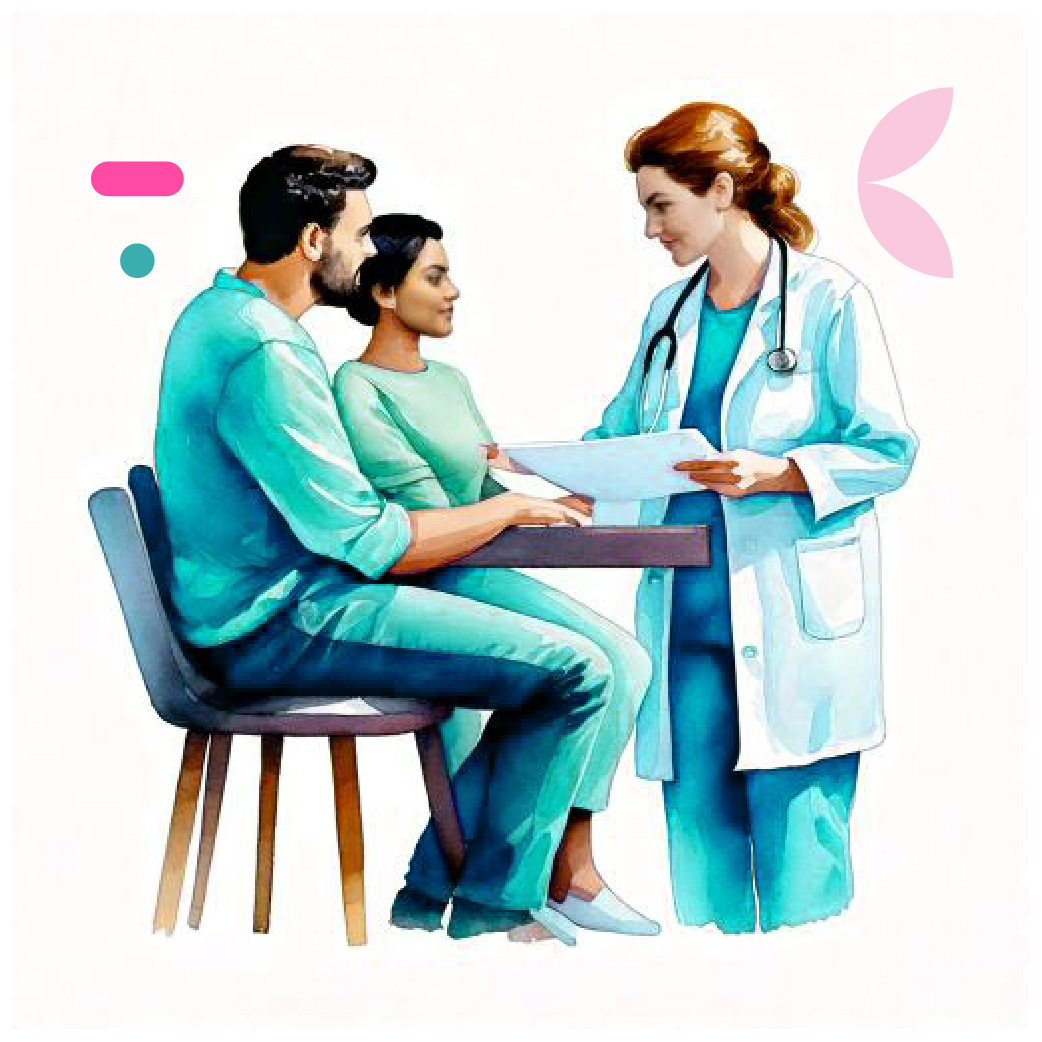
Before starting treatment, due to the impact that both chemotherapy and radiotherapy can have on fertility, the desire to become pregnant should be explored, given the current techniques available for fertility preservation such as cryopreservation of oocytes (eggs) and embryos (egg fertilized by sperm) 26.
Currently, there is also evidence to support that women with hormone receptor-positive (+) breast cancer can discontinue hormone therapy to attempt pregnancy, without risk of the disease recurring 25.
What should I know about sexuality?
According to the World Health Organization (WHO), the definition of sexuality is the result of the interaction between various factors, including biological, psychological, socioeconomic, cultural, ethical and religious or spiritual aspects 27.
After treatment for breast cancer, women experience bodily changes that alter their sex life, and sexual dysfunction is one of the most common consequences of treatment (between 70-90% of women experience it) and includes: vaginal dryness or thinning of the vaginal walls, dyspareunia (persistent or recurrent pain during sexual intercourse), burning and irritation, decreased arousal 27.
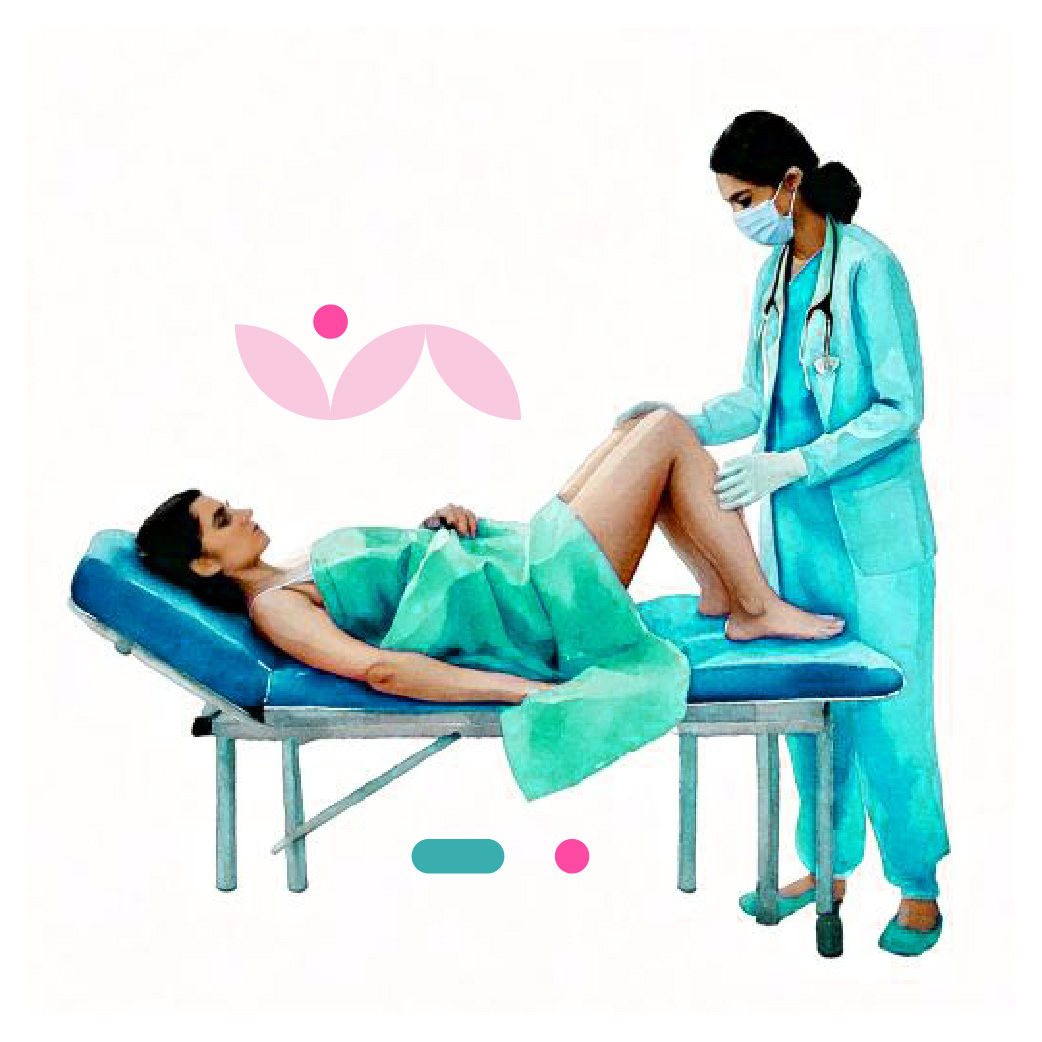
Remember that you can receive support from specialist gynecologists, who will offer you comprehensive management to improve your sexual activity and will follow up to assess whether you require pelvic floor physical therapy 27.
What is most important to me?
Questionnaire: What is most important to me?
We want to know what's most important to you regarding treatment options, their benefits, and risks. You can discuss this with your doctor so that together you can make the best decision for your health.

Evaluation Survey
Rate from 1 to 10 based on your experience:
- Recommendations: The treatment of the disease is defined in consultation with the treating physician, according to the results of examinations and the specific classification of the disease, taking into account the expectations, preferences and life plans of the patient. Returning to activities more quickly refers to the recovery time after the treatments chosen together; this can be discussed by the patient and/or family with their treating physician. Hair loss is one of the side effects that chemotherapy treatment can cause; this can be discussed by the patient and/or family with their treating physician. With regard to preserving the normal appearance of the breast, the healthcare professionals in charge of the surgical treatment try to guarantee the best aesthetic result for your particular case. The number of surgical interventions depends on the patient's particular case and the treatment chosen together; this can be discussed by the patient and/or family with their treating physician. Regarding pain after surgery, the institution has established strategies to reduce pain in patients who experience it. Breast implant reconstruction surgery is a reconstructive surgery strategy that aims to restore the shape and size of the breast after a breast cancer surgery procedure. This procedure does not affect the probability of recurrence (i.e., the disease coming back) or death, but it has been shown to increase the quality of life of patients. This can be discussed by the patient and/or family with their treating physician. Radiotherapy is a treatment that serves to destroy cancer cells in a specific area of the body, protecting healthy tissue. This treatment reduces the chances of the disease recurring. The institution has high-quality techniques and equipment at its service. The side effects of this treatment are generally mild, and healthcare professionals specializing in radiotherapy monitor and plan the treatment to avoid risk. The risk of breast cancer recurrence (i.e., the likelihood that the disease will reappear) is present for up to 20 years after diagnosis. Factors that decrease the risk of recurrence include: surgery, chemotherapy, radiotherapy, hormone therapy, and the patient's lifestyle (exercise, healthy eating)5-10. The desire to become pregnant and the expectation of fertility in women with breast cancer should be evaluated in the medical consultation, in order to receive appropriate guidance. With regard to sexuality, patients who are treated for breast cancer experience bodily changes that alter their sex life, with sexual dysfunction being one of the most common consequences of the treatment. This can be discussed by the patient and/or family with their treating physician, in order to receive comprehensive management.
Things to keep in mind...
- The treatment for the disease is defined in consultation with the treating physician, according to the results of examinations and the specific classification of the disease, taking into account the expectations, preferences and life plans of the patient.
- Returning to activities more quickly refers to the recovery time after the treatments chosen together; this can be discussed by the patient and/or family with their treating physician.
- Hair loss is one of the side effects that chemotherapy treatment can cause; this can be discussed by the patient and/or family with their treating physician.
- With regard to preserving the normal appearance of the breast, the healthcare professionals in charge of the surgical treatment try to guarantee the best aesthetic result for your particular case.
- The number of surgical interventions depends on the patient's particular case and the treatment chosen together; this can be discussed by the patient and/or family with their treating physician.
- Regarding pain after surgery, the institution has established strategies to reduce pain in patients who experience it.
- Breast implant reconstruction surgery is a reconstructive surgery strategy that aims to restore the shape and size of the breast after breast cancer surgery. This procedure does not affect the likelihood of recurrence (i.e., the disease coming back) or death, but it has been shown to improve patients' quality of life. This can be discussed by the patient and/or family with their doctor.
- Radiation therapy is a treatment used to destroy cancer cells in a specific area of the body while protecting healthy tissue. This treatment reduces the likelihood of the disease recurring. The institution has high-quality equipment and techniques at its disposal. Side effects from this treatment are generally mild, and radiation therapy specialists monitor and plan the treatment to minimize risk.
- The risk of breast cancer recurrence (that is, the likelihood of the disease coming back) is present for up to 20 years after diagnosis. Factors that decrease the risk of recurrence include surgery, chemotherapy, radiation therapy, hormone therapy, and the patient's lifestyle (exercise, healthy diet).5-10.
- The desire to become pregnant and the expectation of fertility in women with breast cancer should be evaluated in the medical consultation, in order to receive appropriate guidance.
- Regarding sexuality, patients undergoing breast cancer treatment experience bodily changes that affect their sex lives, with sexual dysfunction being one of the most common consequences of treatment. This can be discussed by the patient and/or family with their treating physician in order to receive comprehensive care.
Breast cancer patient experiences
Patient experiences
These stories are experiences of patients who have received breast cancer treatment at our institution:
REVIEWS
Alina Vargas: “It’s okay to cry, it’s okay to be sad; it’s okay to fall and get back up. Cancer deserves a pause in your journey, a moment to take care of yourself, and do it; take care of healing.”
Diana Peralta: “We should always value ourselves, pay close attention to our health, which is very important, and live each moment.”
Lina Hernández: “God helps us, but if you also help yourself in terms of diet, exercise, and being very disciplined, that will help you a lot in the process.”
What does it mean to be a breast cancer survivor?
These are people who complete the initial treatment for cancer and there is no evidence of recurrence or appearance of the disease over time 5.
Survivors
María Nubia Rivera: “Life is love; it is service. I live very well, very happily, very content. Truly, first and foremost, thanks to God, and also thanks to the support my daughter gave me and the doctors themselves.”
María del Pilar Soto: “For me, life has undergone a transformation; between what it was and what it is for me. Life today is what I experience in every instant, every moment I live, every detail, every experience, every conversation. I do everything because, for me, today, that is life.”
What does it mean to participate in decisions about my health?
What is shared decision-making?
This refers to patients and/or their families, together with healthcare professionals, communicating effectively and working as a team to make the best decision for the patient's health. It is the meeting of two experts: the healthcare professional, who brings experience and medical knowledge, and the patient, who is the specialist in their own life. In this relationship, the available diagnostic and/or treatment options are explored, analyzed, and discussed, and the patient's values, culture, life plans, priorities, and preferences are listened to and respected, in order to ultimately choose the best option that suits each person's needs . <sup>30 </sup>
What does choosing a treatment option involve?
Each patient is different, and therefore the choice of treatment is also different. Therefore, the patient, their family, and the treating healthcare professionals should consider the option that best suits the patient's expectations, priorities, and quality of life (shared decision-making), understanding the different risks and benefits of each option, and thus be able to make an informed decision . <sup>10 </sup>
What situations can affect the decision or choice of treatment?
Each patient's health condition can vary, regardless of the type of breast cancer they have. Therefore, it's important to consider individual circumstances that may affect or change the treatment decision. These include 10 factors:
- Age
- Obesity
- Other underlying diseases: hypertension, diabetes, etc.
- Smoking
- Other lesions or masses in the armpit or other organs
- Breast size
- Cultural factors, such as ancestral traditions or beliefs
- Housing conditions, for example safety, accessibility, habitability and location
Why is it important to participate in the decision or choice of treatment?
Patients have the right to participate in decisions about their health. Participating in this decision allows the patient and their family to understand their health condition and its implications, and also promotes self-care habits, leading to better health outcomes and fewer complications 10-30.
Highlighted
Highlighted
1. Clinical Practice Guideline for Breast Cancer of the Fundación Valle del LiliScreening, Diagnosis, Treatment and Follow-up of Breast Cancer, GM-FVL-017.
2. Sung H, Ferlay J, Siegel RL, Laversanne M, Soerjomataram I, Jemal A, et al. Global Cancer Statistics 2020: GLOBOCAN Estimates of incidence and mortality worldwide for 36 cancers in 185 countries. CA Cancer J Clin. 2021;71(3):209– 49. https://doi.org/10.3322/caac.21660
3. Carolina Wiesnera, Sandra Díazb, Oswaldo Sánchezc, Devi Puertod, Luis Eduardo Bravoe,f, Raúl Murillog. Evidence-based policies in the case of breast cancer control in Colombia; Rev Colomb Cancerol. 2020;24(3):98-107. https://doi.org/10.35509/01239015.261
4. Álvarez Fernández, J., Palacios Ozores, P., López A, VC, Mosquera, C., & López López, R. (2021). Breast cancer. Medicine – Accredited Continuing Medical Education Program, 13(27), 1506-1517.
5. Ximena Briceño-Morales, Andrea Zuluaga-Liberato, Clara Briceño-Morales, Luis Guzmán-Abi-Saab, Jesús Oswaldo Sánchez-Castillo, Ricardo Brugés-Maya, Carlos Lehmann-Mosquera, Mauricio García-Mora, Javier Ángel-Aristizábal, Iván Fernando Mariño-Lozano, Carlos Alfonso Duarte-Torres, Fernando Contreras-Mejía, Eduardo Rojas, Sandra E. Diaz-Casas. Follow-up of patients diagnosed with breast cancer. Review of the evidence and therapeutic approach at the National Cancer Institute – Colombia; Rev Colomb Cancerol. 2023;27(Suppl.1):52-71; https://doi.org/10.35509/01239015.865
6. Medical protocol of the Fundación Valle del LiliChemotherapy in breast cancer, PM-QMT-001.
7. Medical protocol of the Fundación Valle del Lili, Breast radiotherapy, PM-RDT-004.
8. Ximena Briceño-Moralesa, Oswaldo Sánchez-Castillo, Juan Carlos Velasquez et al; Adjuvant hormone therapy in breast cancer. Review of the evidence and therapeutic approach at the National Cancer Institute, Bogotá, Colombia; Rev Colomb Cancerol. Vol. 25 Sup. 1(2021):130-142
9. Adrienne G. Waks, MD; Eric P. Winer, MD; Breast Cancer Treatment A Review; JAMA. 2019;321(3):288-300. doi:10.1001/jama.2018.19323
10. Jadwiga Konieczna, Alice Chaplin, Indira Paz-Graniel, Helen Croker, Nerea Becerra-Tomas, Georgios Markozannes, Konstantinos K Tsilidis, Laure Dossus, Esther M Gonzalez-Gil, Yikyung Park, John Krebs, Matty P Weijenberg, Monica L Baskin, Ellen Copson, Sarah J Lewis, Jacob C Seidell, Rajiv Chowdhury, Lynette Hill, Doris SM Chan, Dora Romaguera; Adulthood dietary and lifestyle patterns and risk of breast cancer: Global Cancer Update Program (CUP Global) systematic literature review; The American Journal of Clinical Nutrition 121 (2025) 14–31; https://doi.org/10.1016/j.ajcnut.2024.10.003
11. Colombian State Single Portal GOV.CO, Figures from the National Cancer Institute of Colombia. Available at: https://www.cancer.gov.co/medios-comunicacion-1/infografias/cancer-mama-colombia-cifras
12. Daniela María Cuadrado-Franco, Carlos Lehmann-Mosquera, Iván Mariño-Lozano, Marcela Núñez-Lemus, Ricardo Sánchez-Pedraza, Sonia Silva-Cárdenas, Mauricio García-Mora, Javier Ángel-Aristizábal, Luis Guzmán Abi-Saab, Raúl Suárez-Rodríguez, Ximena Briceño-Morales, Juanita Martínez-Villacrés, Sandra Díaz-Casas; Demographic, clinical, and histopathological factors associated with a higher risk of de novo metastatic disease in breast cancer patients; Rev Colomb Cancerol. 2023;27(4):443-454; https://doi.org/10.35509/01239015.1004
13. Víctor Eduardo Montaño Méndez, Omar Barragán Pelcastre, Gaudencio Vicente Monter Pérez, Yureni Uribe Vázquez. Breast Cancer: Risk Factors, Anatomopathological Classification and Treatment Generalities; DOI: 10.62514/amf.v26i3.50
14. Bács-Kiskun County Teaching Hospital, Department of Pathology, Kecskemét, Hungary; 2 University of Szeged, Albert Szent-Györgyi Clinial Centre, Department of Pathology, Szeged, Hungary; Histological type and typing of breast carcinomas and the WHO classification changes over time; PATHOLOGICA 2020;112:25-41; DOI: 10.32074/1591-951X-1-20
15. American Cancer Society. Cancer Facts and Figures 2024. Atlanta: American Cancer Society; 2024.Cancer stat facts: female breast cancer SEER.
16. Berger AH and Pandolfi PP. Chapter 5: Cancer Susceptibility Syndromes. In: DeVita VT, Lawrence TS, Lawrence TS, Rosenberg SA, eds. DeVita, Hellman, and Rosenberg's Cancer: Principles and Practice of Oncology. 11th ed. Philadelphia, Pa: Lippincott Williams & Wilkins; 2019.
17. U.S. Preventive Services Task Force. Breast Cancer Screening: U.S. Preventive Services Task Force Recommendation Statement. JAMA. Published online April 30, 2024. doi:10.1001/jama.2024.5534
18. Cheryl L. Rock, PhD, RD1; Cynthia A. Thomson, PhD, RD2 ; Kristen R. Sullivan, MS, MPH; American Cancer Society nutrition and physical activity guideline for cancer survivors; CA CANCER J CLIN 2022;72:230–262; doi:10.3322/caac.21719
19. Amr Khalifa, Ana Guijarro and Alessio Nencioni; Advances in Diet and Physical Activity in Breast Cancer Prevention and Treatment; Nutrients 2024, 16, 2262. https://doi.org/10.3390/nu16142262
20. Magazine of the Fundación Valle del Lili, edition 82, Importance of well-being in breast cancer, Oct/Dec, year 2023.
21. Marta Corral Ardila; Psycho-oncological and social aspects of breast cancer; NPunto Vol. VI Number 69. December 2023: 4-19
22. Liang Li, Yutong Wang, Mingzhou Cai, Tonggang Fan; Effect of different exercise types on quality of life in patients with breast cancer: A network meta-analysis of randomized controlled trials; The Breast 78 (2024) 103798
23. cancer: A network meta-analysis of randomized controlled trials; The Breast 78 (2024) 103798 Jadwiga Konieczna, Alice Chaplin,Indira Paz-Graniel, Helen Croker, Nerea Becerra-Tomas, Georgios Markozannes, Konstantinos K Tsilidis, Laure Dossus, Esther M Gonzalez-Gil, Yikyung Park, John Krebs, Matty P Weijenberg, Monica L Baskin, Ellen Copson, Sarah J Lewis, Jacob C Seidell, Rajiv Chowdhury, Lynette Hill, Doris SM Chan, Dora Romaguera; Adulthood dietary and lifestyle patterns and risk of breast cancer: Global Cancer Update Program (CUP Global) systematic literature review; The American Journal of Clinical Nutrition 121 (2025) 14–31.
24. American Society of Plastic Surgeons. Breast Reconstruction. Accessed at https://www.plasticsurgery.org/reconstructive-procedures/breast-reconstruction on July 20, 2021.
25. Hatem A. Azim Jr, MD, Samuel M Niman; Fertility preservation and assisted reproduction in breast cancer patients discontinuing adjuvant endocrine therapy to attempt pregnancy; Journal of Clinical Oncology; https://doi.org/10.1200/JCO.23.02292
26. Nalini Mahajan; Fertility preservation in female cancer patients: An overview; Journal of Human Reproductive Sciences / Volume 8 / Issue 1 / Jan – Mar 2015; DOI: 10.4103/0974-1208.153119
27. Silvia Torres Balanzá, Laura Fuentes Aparicio, Silvia Mena del Horno, Ana Martínez-Aspas, Núria Sempere-Rubio; Sexual perception in Spanish women breast cancer survivors. Cross-sectional survey; https://doi.org/10.1016/j.clbc.2022.10.011
28. Henry NL, Shah PD, Haider I, Freer PE, Jagsi R, Sabel MS. Chapter 88: Cancer of the Breast. In: Niederhuber JE, Armitage JO, Doroshow JH, Kastan MB, Tepper JE, eds. Abeloff's Clinical Oncology. 6th ed. Philadelphia, Pa: Elsevier; 2020
29. Diet nutrition physical activity and cancer: a global perspective-2018.
30. Coulter Angela, National Strategies for Implementing Shared Decision Making, 2018. Available at: https://www.bertelsmann-stiftung.de/en/publications/publication/did/national-strategies-for-implementing-shared-decision-making-engl
31. Nursing recommendations in breast cancer. Fundación Valle del Lili 2024.


