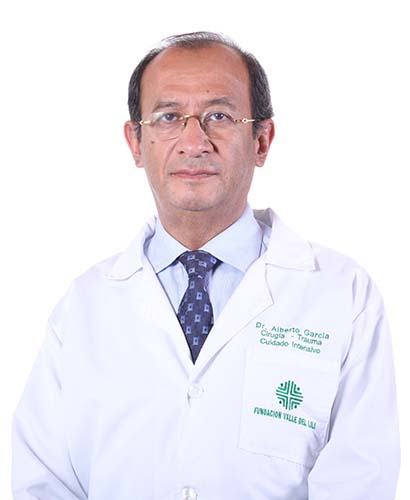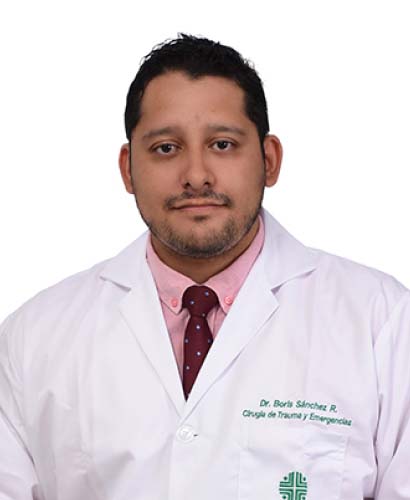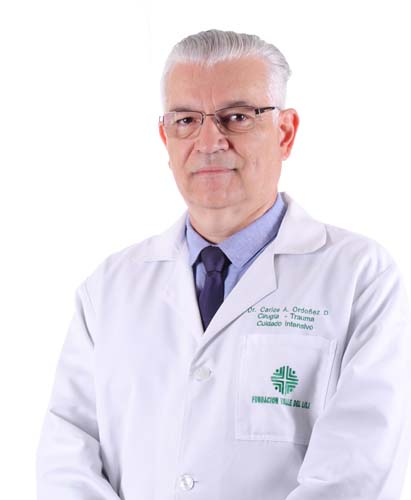


Trauma and Emergency Surgery
What does this specialty do?
The Trauma and Emergency Surgery service is focused on the care of patients with life-threatening injuries and complex surgical emergencies.
It offers immediate assessment, rapid diagnosis, resuscitation, and highly specialized procedures for managing critical situations. Its goal is to improve the chance of survival through agile, safe, and comprehensive care, supported by medical excellence protocols and a multidisciplinary team available at all times.
Diseases it treats
This service attends to patients with serious injuries caused by falls from great heights, traffic accidents, knife or gunshot wounds, and burns.
It also manages non-traumatic surgical emergencies such as perforated appendicitis, diverticulitis, complicated cholecystitis, and acute pancreatitis, as well as post-surgical complications, including peritonitis and fistulas. Specialized and timely care ensures comprehensive management to reduce risks and promote recovery in highly complex situations.
Procedures and treatments
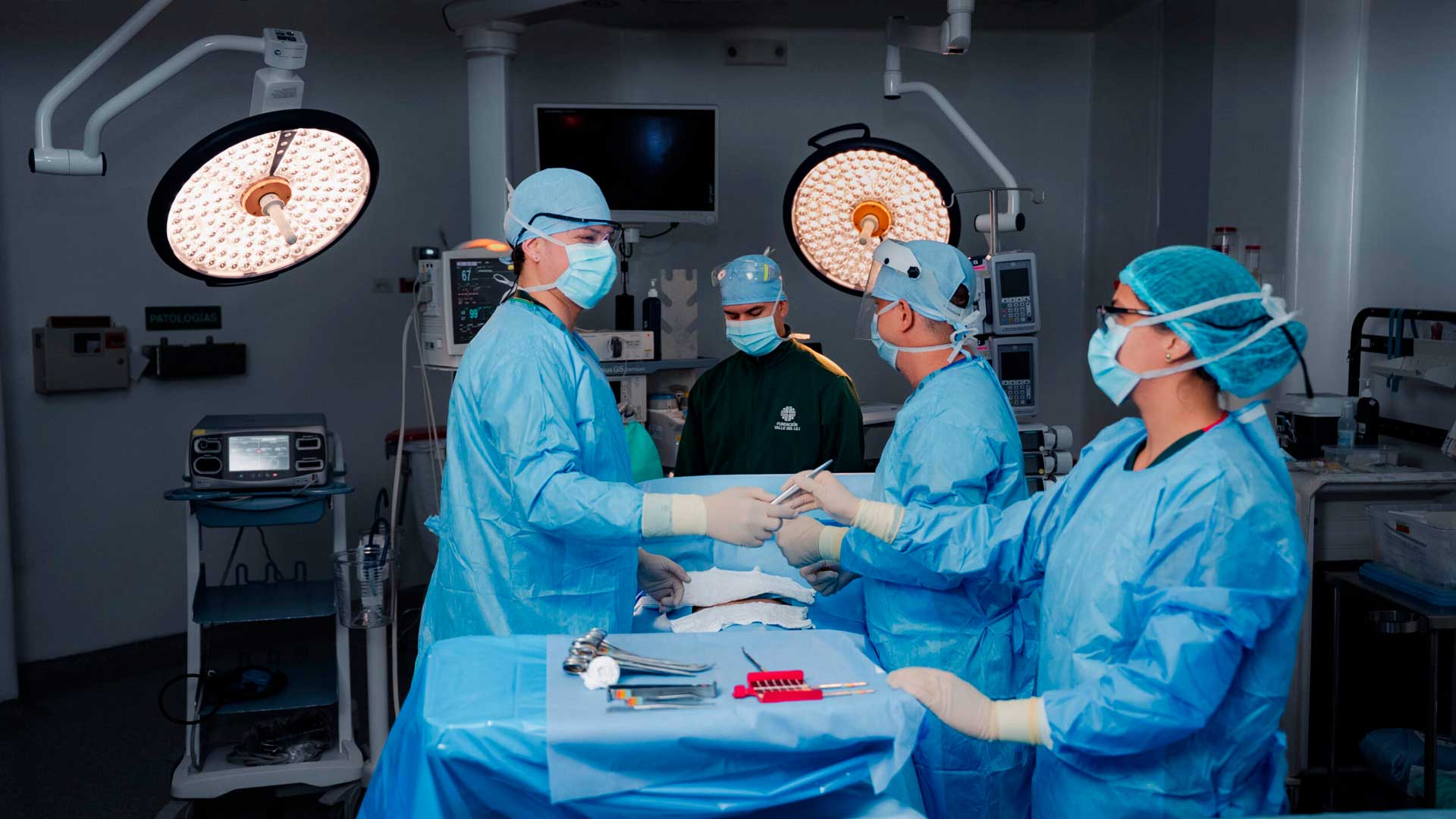
The service implements institutional trauma code activation protocols for immediate care. This includes damage control surgery, hemorrhage control, endovascular management of bleeding vessels, organ and limb revascularization, use of endovascular aortic balloon occlusion (REBOA), and comprehensive ICU care.
He also has experience in advanced laparoscopic surgery, managing complex fistulas, and repairing abdominal wall defects. All of this is done with a multidisciplinary approach that ensures timely and safe interventions.
Exam preparation
Post-operative recommendations include moderate physical activity, wound care, use of incentive spirometry, medication, and follow-up appointments, according to the protocol provided to the patient by the [unclear/unclear]. Fundación Valle del Lili.