


Bone Densitometry
What does this specialty do?
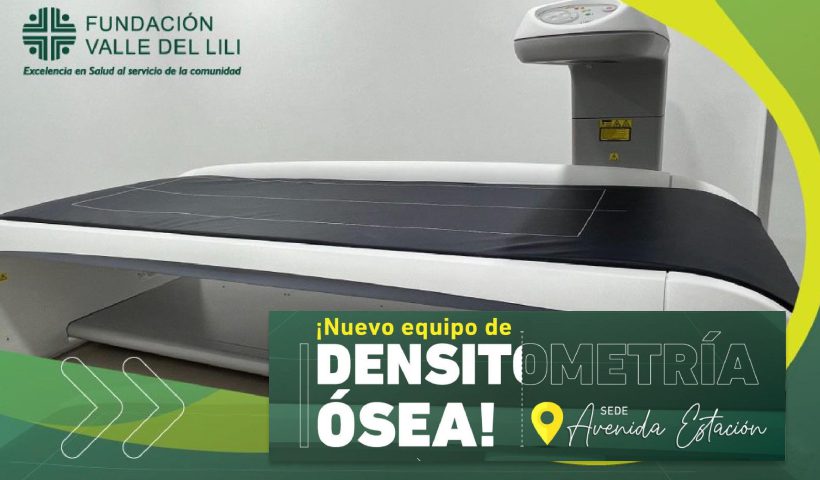
Bone densitometry is a diagnostic test that measures bone mineral density (BMD) and assesses fracture risk, especially that associated with osteoporosis. Also known as DXA (dual-energy X-ray absorptiometry) , it is a non-invasive study that uses low-dose X-rays to measure the amount of minerals, primarily calcium, present in bones.
What is?
This exam allows you to:
- Diagnose osteoporosis before fractures occur.
- Assess the risk of future fractures.
- Detect osteopenia (decreased bone density).
- Monitor bone loss over time.
- To evaluate the effectiveness of treatments for osteoporosis.
When is it recommended?
Bone densitometry is especially indicated in:
- Postmenopausal women, particularly those over 65 years of age.
- Men over 70 years old.
- People with risk factors for osteoporosis, such as:
- Family history of osteoporosis.
- Prolonged use of corticosteroids.
- Diseases such as rheumatoid arthritis or hyperthyroidism.
- Patients with a history of fragility fractures.
How is the exam performed?
Bone densitometry is a simple and quick procedure, lasting approximately 10 to 30 minutes.
- The patient lies down on a stretcher.
- A mechanical arm moves over the body emitting low-dose X-rays.
- The areas most frequently evaluated are:
- Lumbar spine.
- Hip.
- Forearm.
The test is painless and does not require hospitalization.
Results analysis
The interpretation of the study must be carried out exclusively by the treating physician , who will define the management and follow-up recommendations.
In general, the results are expressed using:
- T-score: compare the patient's bone density with that of a healthy young adult.
- Normal: −1.0 or higher.
- Osteopenia: between −1.0 and −2.5.
- Osteoporosis: −2.5 or less.
- Z-score: Compare bone density with people of the same age and sex.
Schedule an appointment
Request your appointment with the Bone Densitometry specialists.
Contact
Call us: (+57) 602 331 9090 Ext. 7456