

Electroencephalogram (EEG)
What does this specialty do?
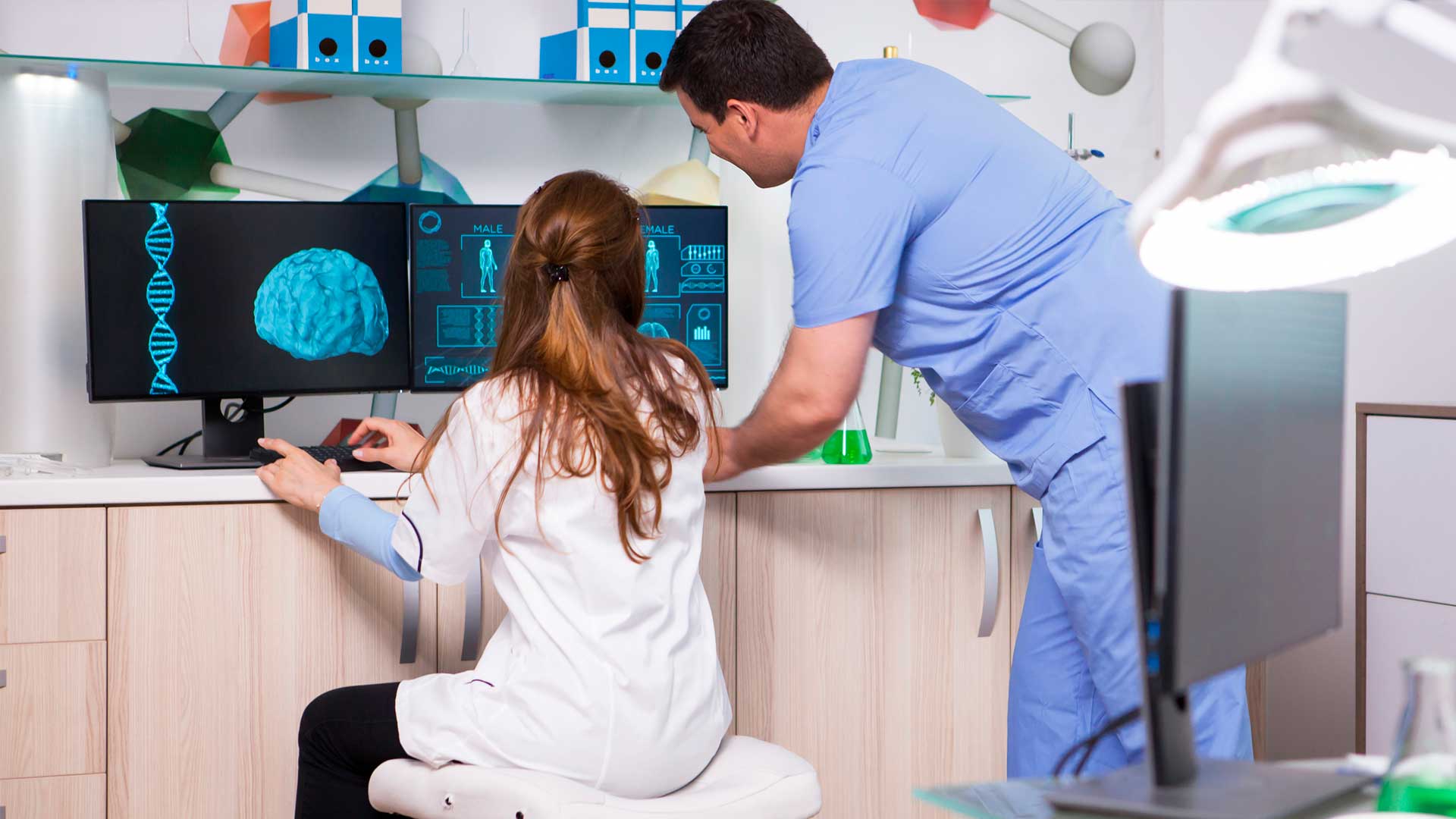
An electroencephalogram (EEG) is a diagnostic test that measures and records the brain's electrical activity. Using electrodes placed on the scalp, the test translates brain electrical signals into wave patterns that are analyzed by specialists. It is a fundamental tool for evaluating the functioning of the central nervous system and supporting the diagnosis, monitoring, and management of various neurological conditions.
Diseases it treats
The electroencephalogram is primarily used for the evaluation of:
- Seizure disorders, such as epilepsy
- Sleep disorders
- Behavioral changes of possible neurological origin
- Severe brain injuries
- Coma states
In addition, the electroencephalogram can complement:
- Brain tumor assessment
- The assessment of brain function in complex clinical situations
Procedures and treatments
The Electroencephalogram (EEG) service measures and records brain electrical activity using:
- Standard EEG studies:
- Approximate duration of 20 to 40 minutes
- Video telemetry:
- Correlation of brain activity with clinical manifestations
- Especially useful in patients with epilepsy
In addition, the service supports:
- The diagnosis of sleep disorders, in conjunction with studies such as polysomnography
- Monitoring brain activity in critically ill patients
- Confirmation of brain death in specific clinical contexts
Subspecialties
- Clinical Neurophysiology
- Epileptology
Exam preparation
For the electroencephalogram (EEG), you must arrive with clean, dry hair. For studies performed on children, partial or total sleep deprivation may be necessary the night before, as indicated by a doctor.
Schedule an appointment
Request your appointment with the Electroencephalogram specialists.
Contact
Call us: (+57) 602 331 9090 ext. 7253