


Electrophysiology
What does this specialty do?
Electrophysiology is a subspecialty of cardiology dedicated to the study, diagnosis, and treatment of heart rhythm disorders (arrhythmias). It analyzes the heart's electrical activity to identify abnormalities that can cause symptoms such as palpitations, dizziness, fainting, or risk of sudden death. It treats adult and pediatric patients, using advanced technology to offer precise, safe, and, in many cases, curative treatments.
Diseases it treats
The Electrophysiology service comprehensively addresses cardiac rhythm disorders, including:
- Tachyarrhythmias:
- Atrial fibrillation
- Auricular flutter
- Supraventricular tachycardias
- Symptomatic bradycardias
- Potentially serious ventricular arrhythmias
- Channelopathies of genetic origin
- Syncope of probable cardiac cause
- Rhythm disturbances associated with:
- Heart failure
- Malfunction of implantable devices, such as pacemakers or defibrillators
Procedures and treatments
The service offers highly complex diagnostic and therapeutic procedures, including:
- Electrophysiological study with electroanatomical mapping to identify the origin of arrhythmias
- Catheter ablation using:
- Radiofrequency
- Cryoablation
- Pulmonary vein isolation
- Modulation of the arrhythmic substrate
- Device implantation, monitoring and reprogramming:
- Pacemaker
- Implantable cardiodefibrillators
- Cardiac resynchronization therapy
- Percutaneous closure of the left atrial appendage to reduce the risk of thromboembolic events
Subspecialties
- Clinical Electrophysiology
- Management of Complex Arrhythmias
- Cardiac Resynchronization Therapy and Heart Failure
Exam preparation
- Electrophysiological Study: See preparation here
- Cardiac Resynchronization Device and/or Defibrillator Implant: See preparation here
Schedule an appointment
Request your appointment with the Electrophysiology specialists.
Contact
Call us: (+57) 602 331 9090 ext. 7455
Specialists who can assist you

Other services and specialties

Related content

Article
Was it a faint or something more? Keys to understanding syncope

Article
Heart failure program
Magazine
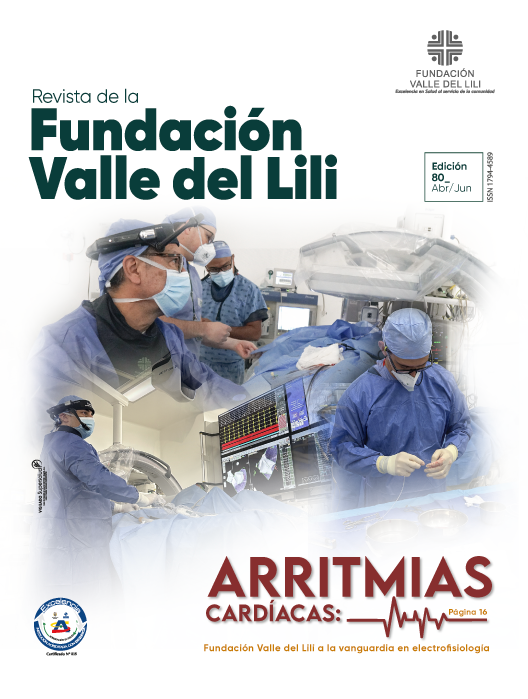
Magazine ed 80 – Cardiac Arrhythmias, Fundación Valle del Lili at the forefront of electrophysiology
Infographic


