




Author:

Dr. Patricia Isabel Montes Hasslocher
Pediatrician
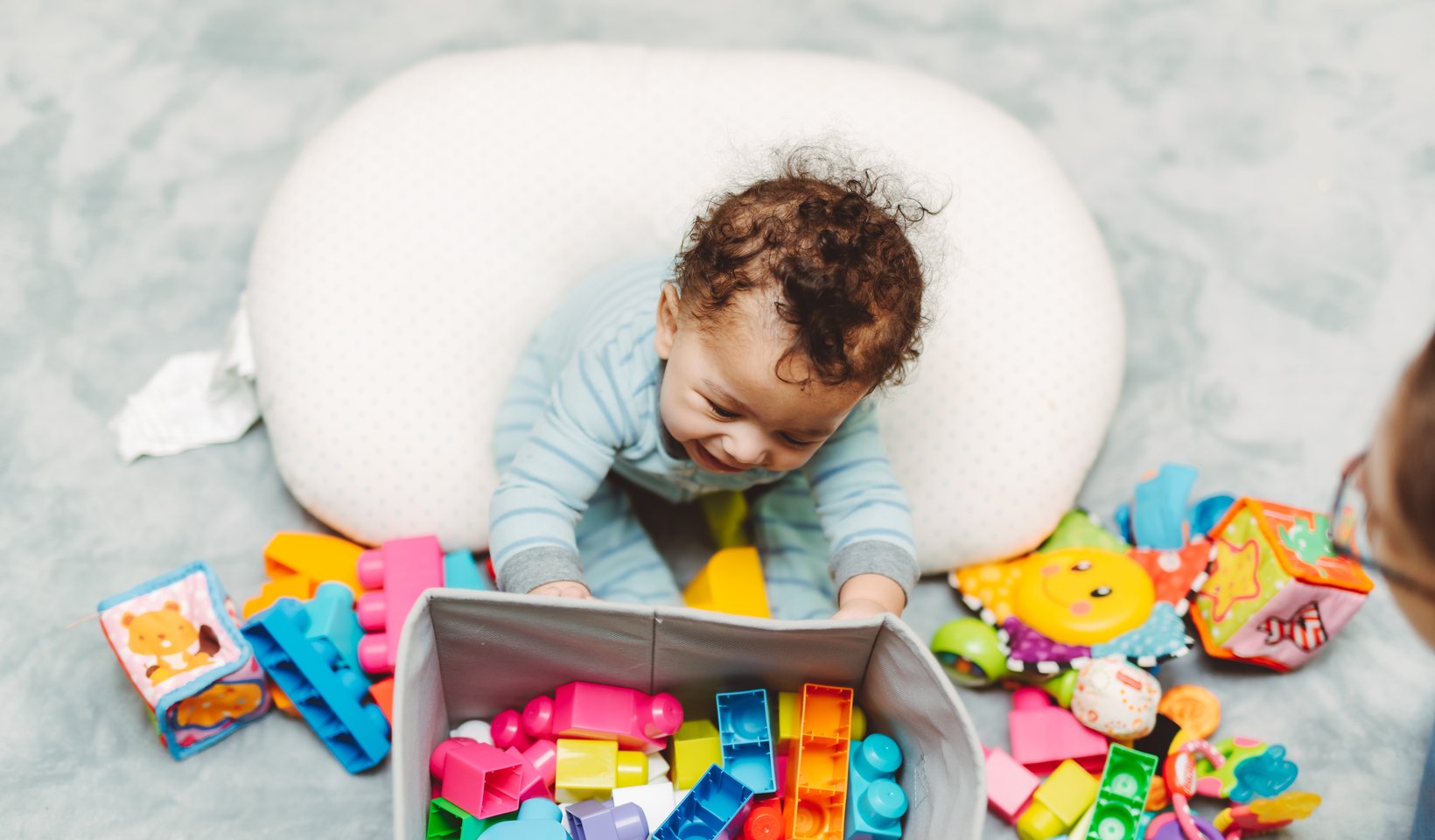
A look at the value of play as a basis for emotional well-being, learning, and building life skills.
Why is play important in childhood?
As a pediatrician, I firmly believe that emotional and mental well-being is fundamental to a healthy and happy life. In today's hyper-connected and hyper-productive society, it's becoming increasingly difficult to enjoy the present moment.
Truly enjoying life means being present, in mind and body, with our children during their games, respecting their pace, without technological equipment and without distractions such as work or the rush to finish the activity.
Is it true that playing games is a waste of time?
Unfortunately, many parents still consider play a waste of time. Nothing could be further from the truth. Play is fundamental to children's development. Through it, children acquire socio-emotional, motor, and cognitive skills that allow them to self-regulate, resolve conflicts, share, and get to know themselves: their bodies, their strengths, and their limitations.
What benefits does play bring to development?
Various studies have confirmed the countless benefits of play. Children are happy when they play, and playing is not "doing nothing."
Through play, children experience a range of emotions such as anger, sadness, frustration, and solidarity. Furthermore, play promotes:
- The development of creativity
- Conflict resolution
- Team work
- Concentration
- Negotiation and flexibility
- Self-defense and leadership
These skills, along with values such as respect, solidarity, and empathy, contribute to a more fulfilling adult life.
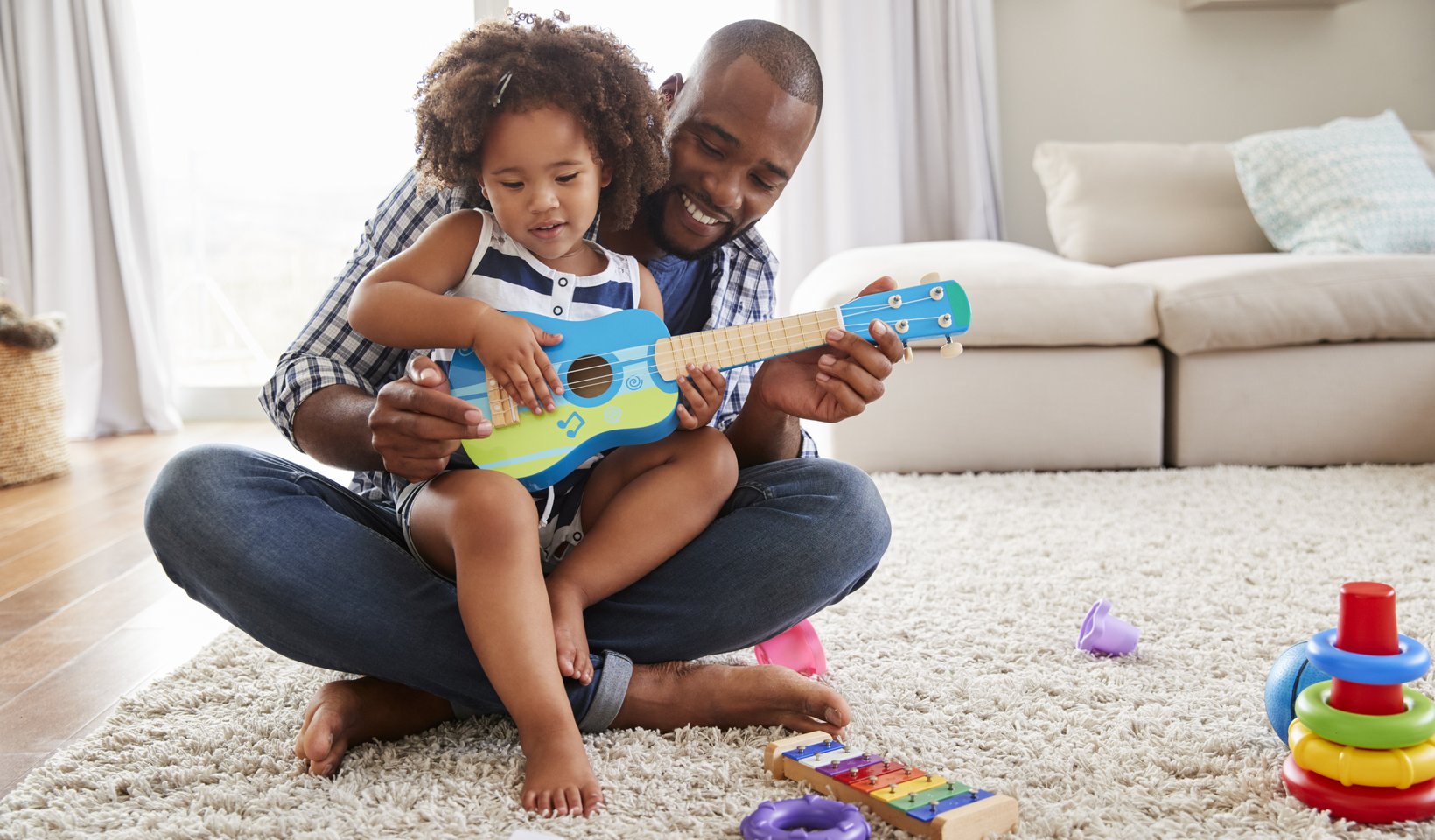
What has happened to traditional games?
Games like tag, hide-and-seek, dodgeball, jump rope, and ring-around-the-rosy should be part of children's daily lives. However, many parents and children today don't know how to play them. Technology has replaced these games, as well as simple items like balls, cardboard boxes, dolls, puzzles, and Legos, leading to a loss of basic social skills.
How does technology impact children's play?
Today we know that real-time social interaction is superior to digital interaction for home learning. Excessive technology use can limit the development of fundamental social skills in children.
"What truly enriches play is not the toys, but the presence and attention of parents and caregivers."
What role do family and school play?
Play is a fundamental educational tool. Schools should increase recess time, promoting technology-free spaces that encourage both free and guided play. At home, it's crucial to revive traditional games and create opportunities for genuine interaction between parents and children.
Is play a right of children?
Yes. Play is a right recognized in Article 31 of the Convention on the Rights of the Child. Furthermore, play fosters neural connectivity and generates behavioral changes that promote learning and social interaction. Through play and imagination, children develop the psychological resilience necessary to face life.
What is the final message for parents and caregivers?
Play helps build the skills children need in a changing world, strengthens emotional bonds, and promotes family unity. What's truly valuable isn't expensive toys or electronic devices, but the presence and attention of parents and caregivers. Time, love, and genuine presence with children are essential at this stage.