



Breast cancer
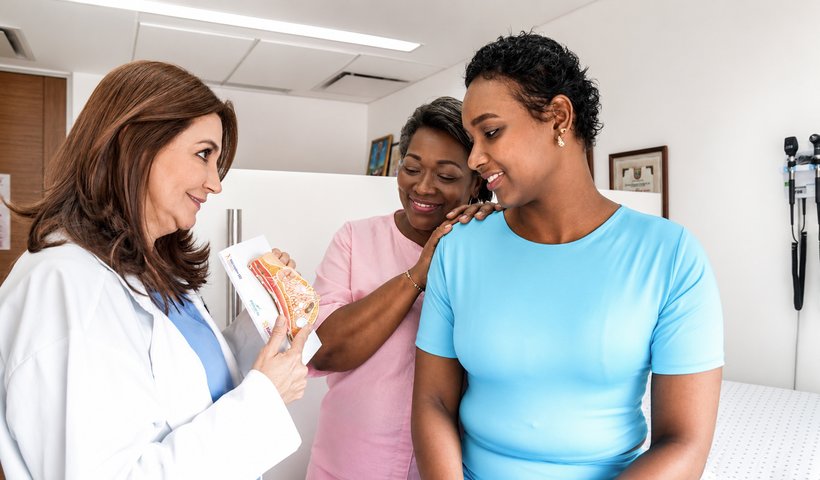
It is one of the pathologies that ranks first in frequency in women worldwide.
Related content:
Menopause
It is a stage in a woman's life that occurs between the ages of 45 and 55, in which menstruation ceases permanently and marks the end of fertility.
Recommendations for managing menopause symptoms:
- Exercise.
- To have a mentally healthy life.
- Maintain a healthy and balanced diet.
- Avoid tobacco, excessive alcohol, and caffeine.
- Maintain an active sex life.
- Avoid self-medicating.
- Consult with your gynecologist to learn about the treatments.
Related content:
What is endometriosis?
It is the presence of endometrial tissue located in areas other than the uterus. It causes severe menstrual cramps, chronic pelvic pain, heavy bleeding, and loss of fertility.
Why does it occur?
The cause is unclear. Apparently, it is due to the inability to eliminate menstrual blood that passes through the fallopian tubes into the pelvis and is deposited in the ovaries, fallopian tubes, intestines, bladder, etc.
What is the incidence?
- Around 15%, but in patients with chronic pelvic pain it is 50%. In women who suffer from infertility it can reach 80%.
- It occurs most frequently in women between 15-50 years old.
Is there treatment?
It can be treated with hormonal medications such as oral contraceptives, injectables, intrauterine devices with hormones, or with laparoscopic surgery, at the discretion of the endometriosis expert staff.
Prevention of urinary infections
These occur when bacteria from the outside enter the urinary tract through the urethra and, once there, begin to multiply and generate symptoms.
How to prevent urinary tract infections and some bladder diseases in women?
- Urinate at least every 3 hours, or sooner if you feel the urge.
- Always urinate sitting down properly, even in a public restroom.
- Empty your bladder completely.
- Dry from front to back.
- Do not use vaginal soap, panty liners, or Brazilian thongs.
- Urinate before and after sexual intercourse. Do not accept penetration if you are not well lubricated.
- To ensure adequate lubrication, sufficient arousal is necessary. If needed, use a vaginal lubricant.
- Wash with plenty of water without soap after sexual intercourse.
- Constipation can cause urinary problems, and to avoid this you should increase your fiber intake (flaxseed, green tea, rolled oats, etc.).
Prevention of sexually transmitted diseases (STDs)
STDs can indiscriminately affect anyone with an active sex life who does not use adequate protection methods.
Recommendations for the Patient and their Family
Being an immunocompromised patient involves facing many life changes. From coming to terms with the diagnosis to starting treatment, concerns may arise for both you and your family.
Learning about this condition, its care, and its implications for health is key to becoming an active participant in your wellness process.
What are HIV and AIDS?
HIV is the Human Immunodeficiency Virus, which causes the slow and progressive destruction of the body's defense system.
Acute phase: Large quantities of the virus are produced in the body.
Latent infection: The virus reproduces at very low levels but remains active, even though no symptoms are present.
What is AIDS?
AIDS (Acquired Immune Deficiency Syndrome) is the most advanced stage of HIV infection. It occurs when the immune system is significantly weakened and the person develops certain opportunistic infections or specific cancers.
Detection and Transmission Methods
How is it detected?
Through a specific laboratory test. This test is recommended preventively for people between the ages of 13 and 64.
How is HIV acquired?
The virus is transmitted when prevention measures are not properly applied through:
- Unprotected sex.
- Bloodborne transmission (sharing of needles or syringes, uncontrolled blood transfusions).
- Perinatal transmission (from mother to baby during pregnancy, childbirth or breastfeeding).
Prevention measures
To avoid transmission of the virus or prevent the infection from progressing to severe stages:
- Prevent exposure to other sexually transmitted infections (STIs).
- Avoid sharing syringes or needles.
- Keep your vaccination schedule up to date, as directed by your doctor.
- Adopt healthy lifestyle habits.
- Avoid contact with birds and reptiles in the home.
- Follow nutritional recommendations on the proper and safe consumption of food.
How to Avoid Transmitting the Virus
Open communication with sexual partners or those with whom one engages in risky behaviors promotes prevention. Talking about this diagnosis helps eliminate stigma, resolve doubts, and better accept the condition.
- Communicate your diagnosis to your partner and your healthcare provider.
- Choose sexual activities that involve a low risk of infection.
- Make sure your partner considers preventative treatments (such as PrEP), as determined by a medical professional.
- Do not share syringes or injection equipment.
- Treat any other sexually transmitted infections promptly.
- In couples where both partners are HIV-positive: Get regular testing for other STIs and maintain habits that minimize the risk of re-exposure to a new strain of the virus.
Myths and Realities: How is HIV NOT transmitted?
HIV is NOT transmitted by:
- Sharing in the pool.
- Giving kisses or hugs.
- Mosquito bites or other insect bites.
- Sharing the same bathroom.
- Sharing cutlery, plates, or food.
- Participate in everyday games or recreational activities.
Antiretroviral Treatment
HIV cannot be completely eliminated from the body; however, current treatments slow the replication of the virus in the blood and bodily secretions.
Antiretroviral medications work in the following way:
- They reduce the viral load: They decrease the amount of virus in the body and the risk of transmission to other people.
- They strengthen the immune system: They maintain the body's ability to fight infections and tumors.
- They prevent resistance: Taking medication properly prevents the virus from becoming resistant to drugs.
Undetectable = Untransmittable:
People with HIV who follow their treatment properly (without skipping doses) manage to maintain an undetectable viral load in their blood, which means they do not transmit the virus sexually.
Note: Antiretroviral treatment does not protect against other sexually transmitted infections.
Treatment Recommendations
- Enroll in a comprehensive HIV care program through your health entity (EPS) to receive continuous monitoring and timely management of your medications.
- Do not change the doses or modify the medications without the express indication of your treating physician.
- Write down all your doubts and concerns about the disease or the treatment to resolve them during the medical consultation.
What are the most common STDs?
- Syphilis: Caused by a bacterium, its symptoms progress as the disease advances, beginning with lesions on the genitals, anus, or mouth, which usually disappear. Later, spots appear on the chest, hands, and feet. After some time, this disease becomes latent (asymptomatic, but continues to progress); however, if left untreated, it can cause damage to the brain, heart, and lungs.
- Condylomas or venereal warts: Caused by the Human Papillomavirus (HPV), these infections appear in both men and women as warts on the genitals, anus, mouth, or throat. While a vaccine exists, it only protects against four types of HPV, out of the many that exist.
- Gonorrhea: Caused by a bacterium that produces pus discharge in the cervix, vagina, penis, or anus.
- Hepatitis B: A viral infection that can be acquired sexually or through a wound with a contaminated object (needles, syringes) used by an infected person. It can be asymptomatic, causing liver damage and impaired liver function.
- Human T-cell lymphotropic virus type 1 and 2 (HTLV-1/2): It can be transmitted through breastfeeding, sexual contact, or injury from a contaminated object (needles, syringes). It can cause nerve damage in the legs, feet, and bladder, and lead to malignant tumors (lymphomas).
- Genital herpes: An infection that causes painful blisters on the genitals.
- Trichomonas: A disease caused by a parasite, which can present with inflammation and vaginal discharge that is yellow, greenish, or white, frothy, and foul-smelling. Alternatively, it can be asymptomatic (in men).
- HIV – AIDS: It is a disease caused by the Human Immunodeficiency Virus, which causes the slow and progressive destruction of the immune system. It may or may not present symptoms, until it reaches an advanced stage (AIDS).
Related content:
Sexual and reproductive health: What are contraceptives?
Contraceptives are methods used to reduce the likelihood of an unwanted pregnancy, if used correctly.
Consult: Guide to Contraceptive Methods
Contraceptives, what for?
In addition to promoting desired family planning, the use of contraceptives allows people who have begun or plan to begin their sexual lives to enjoy their sexuality freely and responsibly. It also helps prevent health risks associated with early pregnancy in women.
Please note: Not all contraceptive methods are suitable for everyone; each body is different and reacts in different ways. For this reason, it is essential to consult with a healthcare professional to determine which method is right for you, and when and how to use it.
Types of Contraceptives
1. Temporary Methods
- Hormonal:
They release hormones that prevent ovulation and alter the cervical mucus to prevent sperm from passing through.
- Examples: Pills, injections, patches, implants, hormone-releasing intrauterine devices (IUDs), and the emergency contraceptive pill.
Intrauterine Devices (IUD):
The copper IUD is the most well-known intrauterine device. It offers long-lasting contraceptive protection (up to 12 years).
De Barrera:
They physically prevent sperm from entering the woman's uterus.
- Examples: Male condom, female condom, diaphragm, cervical cap and the contraceptive sponge.
Key facts about condoms:
- Using a condom reduces the risk of contracting Sexually Transmitted Infections (STIs).
- It is not recommended to use female and male condoms simultaneously, as this does not increase effectiveness and, on the contrary, reduces their protection for each other due to friction.
2. Traditional or Natural Methods
- Rhythm method: It involves using the calendar to detect fertile days and avoiding having sex during that period.
- Intercourse interrupted: It consists of withdrawing the penis from the vagina before ejaculation.
Important: These methods are not recommended, as they have a high probability of failing.
3. Permanent Methods
- Tubal ligation (in women): Prevents the passage of the egg to the uterus, thus preventing pregnancy.
- Vasectomy (in men): It consists of the ligation of the seminal ducts.
Pregnancy
Recommendations for childbirth
For this day it is important to keep in mind some general recommendations and to be prepared for your hospital stay.
General recommendations
- Nail preparation: First, remove nail polish from hands and feet, especially acrylic or semi-permanent polish.
- Companion: Please bring a companion (over 18) who is able to assist you in whatever you require.
- Valuables: Please refrain from bringing jewelry, dentures, or other valuables.
- Medical notification: Inform nursing staff if you use contact lenses or any other device.
- Documentation: Bring with you your pregnancy tests and ultrasounds, as well as the birth authorization.
Checklist / Luggage
( Download PDF Luggage Guide )
Baby items:
- 3 ready-to-wear changes of clothes: undershirt, warm jacket, long pants, blanket, mittens, hats and socks.
- 10 diapers.
- Wet cloths.
- Diaper rash cream.
Items for mothers:
- Personal hygiene items: toothbrush and toothpaste, deodorant and shampoo.
- 2 pajamas.
- 2 sets of underwear.
- Non-slip sandals or slippers.
- 3 adult diapers (avoid pants type).
- Comfortable clothes for going out.
- 2 pairs of socks.
- Maternity pad pack.
Watch Video of Birth Day Pending
Warning signs and symptoms during pregnancy
Pay attention to your body's signals and go to the emergency room immediately if you experience these signs and symptoms.
Related content:
See video for signs and symptoms. Pending.
Oral health and pregnancy
The hormonal changes women experience during pregnancy can affect oral health, particularly gums and teeth, due to the presence of pre-existing plaque. These changes begin in the second month of gestation and peak in the eighth.
Oral health problems related to pregnancy
1. Tooth decay
Susceptibility to tooth decay during pregnancy can increase due to factors such as: poor oral hygiene leading to an increase in the amount of bacteria; frequent consumption of carbohydrates and episodes of nausea and vomiting; along with an imbalance of pH in saliva, which facilitates the loss of minerals.
Myth: Do you lose a tooth for every child?
Pregnancy does not cause tooth loss. The baby obtains the necessary minerals from other sources; it does not demineralize the teeth.
2. Gingivitis
This is the first stage of periodontal disease. It consists of inflammation and bleeding of the gums caused by bacterial plaque. It affects between 35% and 100% of pregnant women. This can cause premature birth and/or low birth weight in the baby.
3. Periodontitis
It is advanced periodontal disease caused by bacteria that grow between the tooth and gum; it causes bleeding gums and loss of bone that supports the teeth.
Warning signs and reasons for consultation
- Presence of pus in your gums, constant bad breath, or a bad taste in your mouth.
- Bleeding, swollen, tender, or red gums.
- Loose or spaced permanent teeth, any change in your bite or the way your teeth fit together.
FAQ
What happens if I have a dental emergency during pregnancy and need to take an x-ray?
In a dental emergency, X-rays may be necessary. The radiation exposure is minimal, and your dentist will take all precautions to reduce risks.
Can vomiting during pregnancy damage my teeth?
Vomiting can cause mineral loss from your teeth, increasing the risk of cavities and bad breath. It's important to inform your dentist about this concern so they can take the necessary precautions.
Care recommendations
Proper oral hygiene and regular dental checkups protect against the development of mouth diseases.
- Brush after every meal, floss, and, if necessary, use medicated toothpaste.
- Change your toothbrush every three months.
- Leading a healthy lifestyle helps improve quality of life and prevent disease.
- Visit the dentist at least during the first and second trimesters of pregnancy, and earlier or later if required.
Postpartum care
For the mother:
- Continue your oral hygiene routine to prevent cavities and periodontal disease.
- Your saliva contains bacteria: do not contaminate the baby's spoon, pacifier, or bottle.
For the newborn:
- From the first day, the baby's mouth (palate, tongue and gums) should be cleaned with a moist gauze.
- Do not let the baby sleep with the bottle (unless it contains water).
- Six months after birth (or earlier), take your baby to their first appointment with a pediatric dentist to clear up any doubts.
Humanized delivery
Nowadays, you can find a lot of facts and information about childbirth, not only on the internet, but also from friends, family, and neighbors.
Humanizing childbirth means ensuring the mother experiences no pain, as this is her primary fear. Pain can cause her to become overwhelmed, unable to think clearly, and even less able to enjoy the birth.
To ensure a less painful childbirth experience, it's essential to prepare from a family, emotional, and physical perspective. This includes psychological counseling, childbirth preparation classes, breathing exercises, pelvic floor strengthening, and learning about and embracing breastfeeding, among other factors. It's crucial to seek responsible guidance from qualified professionals regarding childbirth and its implications.
When the time comes for childbirth, it's essential to receive support, have patience, have learned how to do it, and hear reassurances about being capable of giving birth, that feeling afraid is normal, and that you're in the best hands. The commitment of the obstetrician who will deliver the baby is vital, as they will be the one to guide and facilitate the process in the best possible way. It's also crucial that the anesthesiologist (the specialist in charge of pain management) explains what pain relief entails during childbirth and how they will insert a catheter into the spine through which medication will be administered to reduce or eliminate pain, while still allowing the urge to push to deliver the baby.
Once all of this is possible, the mother is ready to welcome the new baby in the safest emotional and health conditions for both child and child. It is also important that, during childbirth, the mother has the support of a family member, whether her partner or someone she trusts, and that her wishes are respected.
At birth, the baby is placed on the mother (skin-to-skin contact) so that she can touch him, feel him, experience him, breathe him in, and at that moment, understand that the purest and most infinite love has just come into her life.
During this process, the delivery room team accompanies the mother and her family. The baby is constantly monitored by pediatricians to ensure that, while on its mother's chest, its vital signs are stable and its adaptation to the environment is adequate. If necessary, the baby will be evaluated in the crib next to the mother, following all quality standards of newborn care.
Skin-to-skin contact between mother and child guarantees adequate breastfeeding in more than 67% of cases, as well as better attachment between both and promotes the baby's adaptation to their family.
At that same moment, the mother is given the necessary care to ensure that the delivery is uncomplicated. The placenta is received, medications are administered, and a vaginal suture is performed when indicated, all under the care of the Delivery Room team, highly qualified to handle any eventuality during this process in a humane and responsible manner.
The staff in the delivery room understand that the mother and baby are the main focus and deserve a humanized birth experience . With this commitment, it's certain that the patient will describe this experience as the best of her life.
Women deserve the opportunity to experience this moment in the most spectacular way and enjoy the arrival of their child in a safe, humane, loving, and respectful environment.
Rights of pregnant mothers
All women and newborns should be treated with respect and dignity, fully informing and communicating with them and their families regarding decisions about the care of themselves and their baby, in a culturally safe and sensitive manner that guarantees their right to informed consent and refusal.
Rights
The International Childbirth Initiative is committed to defending the rights and access to care for pregnant mothers, babies, and families, through the following principles:
Fundamental Principles
- Human rights guaranteed: The rights of women and children are human rights and must be guaranteed in all environments and circumstances, including humanitarian and conflict environments.
- Access to quality health services: All women and newborns have the right to access well-funded, equipped, and free or reasonably priced maternal and neonatal health services that provide quality care through qualified personnel.
- Protection of the Mother-Baby-Family triad: Every mother and baby should be protected against disrespectful or violent practices of any kind, as well as violations of their right to privacy.
- Health promotion and emergencies: Promote well-being, prevent illnesses and complications, and ensure timely referral and emergency care.
- Design in public health: Design public health measures to prevent disease and promote well-being.
- Accessible maternal and neonatal care: To enable accessible, appropriate, and effective maternal and neonatal emergency care to reduce maternal and neonatal morbidity and mortality.
Autonomy, Decisions and the Birth Experience
- Women's autonomy: Supporting women's autonomy and decisions to facilitate a positive birth experience.
- Continuity and cultural respect: To provide continued supportive care and sensitivity to the mother's cultural, religious, and individual beliefs and values in order to reduce the risk of psychological trauma and increase women's trust in their caregivers.
- Impartial and clear information: All women, including those with complications, should receive complete, accurate, and unbiased information about the potential harms and benefits of obstetric and neonatal procedures and alternatives, so that they can make informed decisions about their medical care and that of their babies.
- Prenatal education: Providing access to evidence-based prenatal education to prepare women and their partners for decision-making.
- Care options: Women should have a full range of options throughout their maternity care experiences, including options for choosing their place of birth.
- Births outside of medical facilities: Women with normal, low-risk pregnancies can safely give birth outside of medical facilities in clinics, birthing centers, and homes, when skilled care and effective referrals are available.
- Positive environment: Providing a healthy and positive birthing environment is the responsibility of caregivers and health systems.
Respectful Attention and System Responsibility
- Trust and comprehensive care: Giving women confidence to have a healthy pregnancy and delivery, and to breastfeed and care for their newborn will prevent negative physiological and psychological effects.
- Atmosphere of affection and communication: Establishing a caring and supportive atmosphere, listening to the mother, encouraging her self-expression, and ensuring equitable communication to achieve individualized care are essential aspects of respectful and culturally safe maternity care.
- Responsibility of caregivers: Caregivers are individually and collectively responsible to the mother, the baby, the family, the community, and the health care system for the quality of care provided.
- Priority in needs: The needs of the Mother-Baby-Family should take priority over the needs of caregivers and institutions.
- Safe environments for providers and patients: Healthcare systems are equally responsible for providing safe environments that also take into account the needs of providers.
- Protection against unnecessary procedures: Every mother-baby should be protected against unnecessary and potentially harmful interventions, practices and procedures, and against the overuse and underuse of medical technology.
Note: The foundation of Mother-Baby-Family safe and respectful maternity care lies in the combination of value-based care models, which are driven by health needs and expectations, and are based on collaboration with women, and contribute to optimizing normal bio-psycho-social processes of childbirth, as well as health outcomes.